Introduction
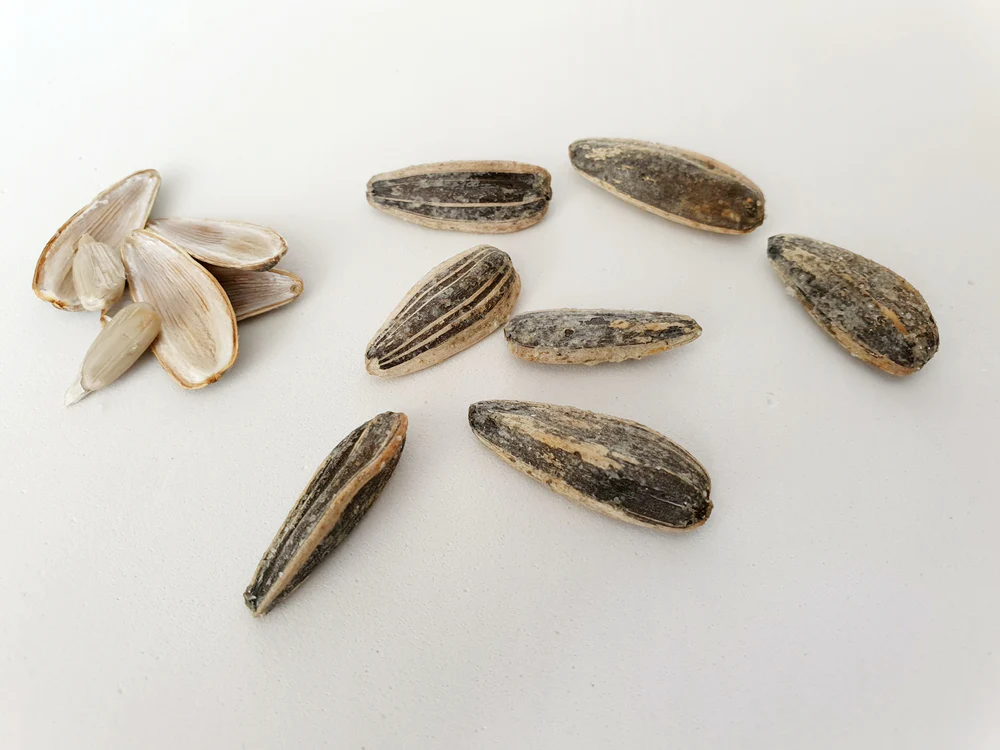
Sunflower seeds ( Helianthus annuus ) represent a significant commodity within the global agricultural market, valued for their nutritional profile and versatile applications ranging from direct consumption and oil extraction to animal feed. The export of healthy sunflower seeds necessitates stringent quality control measures throughout the entire supply chain, encompassing agricultural practices, post-harvest handling, processing, and storage. This technical guide focuses on the critical parameters governing the quality and safety of exported sunflower seeds, detailing the material science underpinning seed integrity, manufacturing processes ensuring consistent quality, performance characteristics relevant to international trade, potential failure modes affecting seed viability, and applicable industry standards. A primary pain point for international buyers is inconsistent quality due to variations in growing conditions, inadequate drying processes, and susceptibility to fungal contamination. This document aims to provide a comprehensive overview for exporters seeking to mitigate these risks and establish a reputation for delivering premium-grade sunflower seeds.
Material Science & Manufacturing
Sunflower seeds are composed primarily of lipid (40-50%), protein (20-25%), carbohydrates (15-20%), and fiber (5-10%), alongside essential vitamins and minerals. The seed hull, or pericarp, provides physical protection and consists largely of cellulose and lignin. The oil content, particularly the linoleic and oleic acid ratio, significantly influences seed quality and stability. Manufacturing begins with selecting high-yielding, disease-resistant sunflower varieties. Post-harvest, the seeds undergo cleaning to remove debris, foreign matter, and damaged seeds. A critical step is drying, typically employing forced-air drying to reduce moisture content to 8-10% to inhibit fungal growth and enzymatic activity. Moisture content is carefully monitored using capacitance meters. Further processing may involve dehulling, sizing (based on seed diameter), and optical sorting to ensure uniformity. Key parameter control during drying involves maintaining optimal air temperature (40-50°C) and airflow to prevent overheating and cracking of the seeds. Incomplete drying leads to aflatoxin contamination, a major concern for food safety, while excessive heating degrades oil quality. The chemical compatibility of storage materials is also crucial; seeds should be stored in breathable bags or silos constructed from materials that do not leach harmful substances. The lipid oxidation stability is influenced by the presence of antioxidants like Vitamin E which is naturally present but can be affected by processing and storage conditions.
Performance & Engineering
The performance of sunflower seeds as a food product, or as a source for oil extraction, is directly linked to their physical and chemical integrity. Force analysis reveals the seed’s resistance to cracking during handling and processing. A higher force is desirable, indicating a robust pericarp. Environmental resistance, specifically to temperature and humidity fluctuations, dictates storage stability. Sunflower seeds are susceptible to lipid oxidation when exposed to oxygen, light, and elevated temperatures, leading to rancidity. Packaging materials providing a barrier to these factors are essential. Compliance requirements vary by importing country but generally encompass regulations regarding aflatoxin levels (typically < 20 ppb), pesticide residues (following Codex Alimentarius standards), and heavy metal concentrations (lead, cadmium, mercury). The functional implementation of sunflower seeds in food products relies on their consistent oil content and flavor profile. Oil yield is typically assessed using Soxhlet extraction. Germination rate, while less critical for direct consumption, is a key performance indicator for seeds intended for planting and is evaluated based on standardized germination tests under controlled conditions. The bulk density of the seeds influences storage capacity and transportation efficiency; this is affected by seed size and shape.
Technical Specifications
| Parameter | Unit | Typical Value | Acceptable Range (Export Grade) |
|---|---|---|---|
| Moisture Content | % | 9.5% | 8.0% - 10.0% |
| Oil Content | % | 48% | 45% - 55% |
| Protein Content | % | 22% | 20% - 25% |
| Aflatoxin Levels (B1, B2, G1, G2) | ppb | <2 ppb | < 20 ppb |
| Seed Size (Diameter) | mm | 10-12 | 8-14 |
| Foreign Matter | % | <0.5% | <1.0% |
Failure Mode & Maintenance
Sunflower seed failure modes can be categorized as physical, chemical, and biological. Physical failures include cracking during handling due to impact or improper drying, leading to reduced oil yield and increased susceptibility to insect infestation. Chemical degradation primarily involves lipid oxidation, resulting in rancidity and a decline in nutritional value. This is exacerbated by exposure to light, oxygen, and high temperatures. Biological failures are mainly caused by fungal contamination, particularly by Aspergillus species, leading to aflatoxin production. Insect infestation (e.g., by storage beetles) also represents a significant threat. Maintenance strategies focus on preventative measures. Proper drying and storage are paramount, utilizing airtight containers or controlled atmosphere storage. Regular monitoring for temperature and humidity is crucial. Insect control measures include the use of inert dusts or controlled atmosphere treatments. Periodic laboratory testing for aflatoxin levels and oil quality is essential. For damaged seeds (cracked or broken), segregation is recommended to prevent the spread of contamination. Implementing a robust First-In, First-Out (FIFO) inventory management system minimizes storage duration and reduces the risk of degradation.
Industry FAQ
Q: What are the critical factors impacting aflatoxin contamination in sunflower seeds during export?
A: Aflatoxin contamination is primarily driven by inadequate drying, leading to moisture content exceeding 10%. Damage to the seed coat during harvesting or processing also increases susceptibility. Poor storage conditions, particularly high humidity and temperature, promote fungal growth. Strict adherence to proper drying protocols, damage minimization, and controlled storage are essential.
Q: How does seed size variability affect the oil extraction efficiency?
A: Significant seed size variability can negatively impact oil extraction efficiency. Larger seeds typically contain more oil, but inconsistent sizing requires adjustments to the extraction process, potentially leading to reduced yields. Uniform seed size facilitates optimal pressing or solvent extraction.
Q: What packaging materials are recommended to maintain seed quality during long-term storage and transit?
A: Packaging materials should provide a barrier to oxygen, light, and moisture. Multi-layer polyethylene bags with UV inhibitors are commonly used. Breathable bags made from natural fibers can also be effective, provided they are properly stored in a dry environment. Palletization and proper securing during transit are vital to prevent physical damage.
Q: What are the typical regulatory requirements for pesticide residues in sunflower seeds destined for the European Union?
A: The European Union enforces Maximum Residue Levels (MRLs) for pesticides, as defined by Regulation (EC) No 396/2005. Exporters must ensure that pesticide residues in sunflower seeds comply with these MRLs, which are regularly updated. Documentation demonstrating adherence to Good Agricultural Practices (GAP) is often required.
Q: How can we verify the oil content of a sunflower seed batch quickly and accurately?
A: While Soxhlet extraction is the gold standard, near-infrared (NIR) spectroscopy provides a rapid and non-destructive method for estimating oil content. NIR analysis requires calibration against reference data obtained from Soxhlet extraction but offers a significantly faster turnaround time for quality control purposes.
Conclusion
The successful export of healthy sunflower seeds hinges on a thorough understanding of the interplay between material science, manufacturing processes, and international quality standards. Maintaining optimal moisture content, minimizing seed damage, and preventing fungal contamination are paramount concerns. Implementing robust quality control protocols throughout the supply chain, from farm to port, is essential for delivering a consistently high-quality product that meets the demanding requirements of global markets.
Continued investment in drying technology, packaging innovation, and analytical capabilities will be crucial for enhancing the competitiveness of sunflower seed exporters. Proactive engagement with importing countries to understand their specific regulatory requirements and consumer preferences will further facilitate market access and solidify long-term partnerships. Adherence to best practices in sustainability and traceability will also be increasingly important in meeting evolving market demands.
