Introduction
Sunflower seed samples, offered by suppliers globally, represent a crucial component in the agricultural commodity supply chain. These samples serve as foundational elements for quality control, purchasing decisions, and new product development within the food processing, animal feed, and oil extraction industries. This technical guide provides a comprehensive analysis of sunflower seed quality assessment, encompassing botanical characteristics, compositional analysis, and associated industry standards. The proliferation of free samples necessitates robust evaluation protocols to mitigate risks associated with variability in seed quality, ensuring adherence to food safety regulations and maximizing production efficiency. This document will detail the key parameters scrutinized during sample assessment, including oil content, protein levels, moisture content, and the presence of foreign material, alongside considerations for storage and transportation impacts on seed viability and compositional integrity.
Material Science & Manufacturing
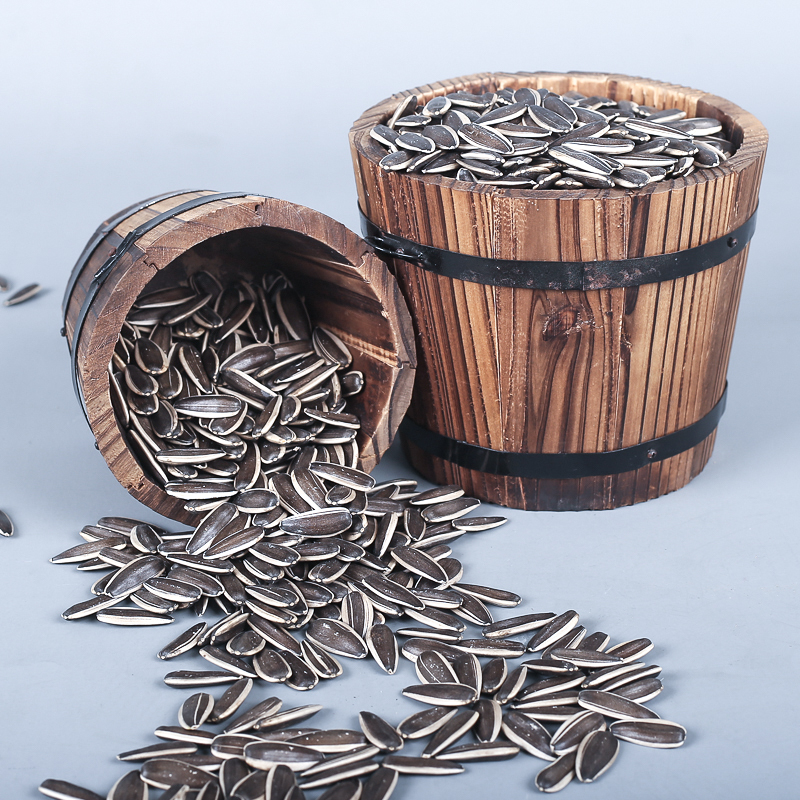
Sunflower seeds ( Helianthus annuus ) comprise a complex biological matrix of lipids, proteins, carbohydrates, and fiber, encased within a hull (pericarp). The composition varies significantly based on genotype, growing conditions, and harvesting techniques. The lipid component, primarily linoleic acid (C18:2) and oleic acid (C18:1), constitutes 40-55% of the seed weight, influencing oil yield and quality. Proteins, typically 18-25%, are crucial for nutritional value and contribute to the seed's structural integrity. Carbohydrates, including starch and fiber, comprise around 15-20%. Manufacturing begins with field cultivation, followed by mechanical harvesting. Post-harvest processing includes cleaning, drying (to ~8-10% moisture content – critical for preventing fungal growth and mycotoxin production), dehulling (optional, depending on intended use), and grading. Drying utilizes forced-air systems, meticulously controlling temperature (typically below 45°C) to preserve oil quality and prevent protein denaturation. Dehulling is achieved via mechanical abrasion, impacting seed integrity and potential oil loss. Seed size and shape are controlled by genetic selection and optimized harvesting practices. The pericarp (hull) is composed of cellulose and lignin, providing structural support and protection during storage. Its percentage varies by variety, with confectionary types having a thinner hull for easier consumption.
Performance & Engineering
The performance of sunflower seeds is evaluated based on several engineering properties relevant to processing and end-use applications. Bulk density (typically 650-750 kg/m³) influences storage capacity and handling efficiency. Angle of repose (20-30 degrees) determines flowability during processing. Tensile strength of the seed coat, while not directly measured in quality control, is critical to prevent cracking during dehulling and handling, reducing fines and dust generation. Oil extraction efficiency is a key performance indicator, influenced by seed composition and pre-treatment methods (e.g., flaking, cooking). The seeds' resistance to impact and abrasion during transport is crucial; packaging materials and handling protocols must minimize damage. Moisture content, a critical parameter, is regulated through drying processes to prevent microbial growth, ensure optimal oil yield, and maintain seed viability. Furthermore, the seeds' thermal stability during roasting or extrusion processes (for confectionary applications) is dictated by their lipid profile and antioxidant content. Force analysis during dehulling determines the energy required and potential for seed damage. Environmental resistance focuses on minimizing lipid oxidation through antioxidant additives and controlled atmosphere storage.
Technical Specifications
| Parameter | Unit | Typical Range | Testing Method |
|---|---|---|---|
| Oil Content (Dry Basis) | % | 40-55 | Soxhlet Extraction (AOCS Official Method) |
| Protein Content (Dry Basis) | % | 18-25 | Kjeldahl Method (AOCS Official Method) |
| Moisture Content | % | 8-10 | Oven Drying Method (AACC Method) |
| Foreign Material | % | <1.0 | Visual Inspection & Sieve Analysis |
| Acid Value | mg KOH/g | <1.0 | Titration (AOCS Official Method) |
| Peroxide Value | meq O₂/kg | <5.0 | Titration (AOCS Official Method) |
Failure Mode & Maintenance
Sunflower seeds are susceptible to several failure modes affecting quality and usability. Lipid oxidation, leading to rancidity, is a primary concern, accelerated by exposure to oxygen, light, and elevated temperatures. This results in off-flavors and reduced nutritional value. Fungal contamination, particularly with Aspergillus species, can produce mycotoxins (aflatoxins) posing a significant food safety hazard. Cracking and breakage during handling and processing reduce oil yield and create dust. Insect infestation leads to seed damage and contamination. Moisture absorption during storage can promote microbial growth and lipid hydrolysis. Maintenance strategies include proper drying and storage in cool, dry, and well-ventilated conditions. Antioxidant additives can inhibit lipid oxidation. Regular monitoring for mycotoxin levels is essential. Effective pest control measures are crucial. Packaging should provide a barrier against moisture and oxygen. Preventive maintenance of processing equipment minimizes seed damage. Implementing a robust First-In, First-Out (FIFO) inventory management system ensures seed turnover and minimizes storage duration, reducing degradation risks.
Industry FAQ
Q: What are the key indicators of sunflower seed quality when evaluating a sample from a new supplier?
A: The most critical indicators are oil content (assessed via Soxhlet extraction), protein content (Kjeldahl method), moisture content (oven drying), foreign material content (visual inspection), and acid/peroxide values (titration – indicators of rancidity). Aflatoxin testing is also paramount for food safety compliance.
Q: How does moisture content impact the storage life of sunflower seeds?
A: High moisture content promotes microbial growth and enzymatic activity, accelerating lipid hydrolysis and degradation. Optimal storage requires moisture content between 8-10%. Exceeding this threshold significantly reduces shelf life and increases the risk of mycotoxin production.
Q: What is the significance of acid and peroxide values in sunflower seed quality assessment?
A: Acid value indicates the amount of free fatty acids present, reflecting hydrolysis of triglycerides. Peroxide value measures the extent of lipid oxidation. Elevated values signify rancidity and diminished oil quality. Both are indicators of improper storage or handling.
Q: How do different sunflower seed varieties (e.g., high-oleic vs. linoleic) affect oil processing and end-product characteristics?
A: High-oleic varieties offer superior oxidative stability, extending shelf life and reducing the need for hydrogenation. Linoleic varieties are more susceptible to oxidation but can provide specific nutritional benefits. Processing parameters must be adjusted based on the fatty acid profile.
Q: What packaging materials are recommended for long-term storage of sunflower seeds?
A: Packaging should provide a barrier against moisture, oxygen, and light. Multi-layer bags incorporating polyethylene (PE) and aluminum foil are commonly used. Vacuum sealing or modified atmosphere packaging (MAP) further enhances preservation by reducing oxygen levels.
Conclusion
The evaluation of free sunflower seed samples requires a comprehensive understanding of the seed’s botanical composition, material properties, and potential failure modes. Accurate assessment of oil content, protein levels, moisture content, and the presence of contaminants is critical for ensuring quality control, maximizing processing efficiency, and mitigating food safety risks. Suppliers must adhere to stringent quality control procedures throughout the entire supply chain, from cultivation to storage and transportation.
The long-term viability of the sunflower seed industry relies on consistent quality standards and advanced analytical techniques. Continuous monitoring of industry best practices and adherence to international regulations are essential for maintaining consumer trust and driving sustainable growth. Implementing robust preventative measures, like controlled atmosphere storage and antioxidant applications, will further improve the shelf life and nutritional value of sunflower seeds.
