Introduction
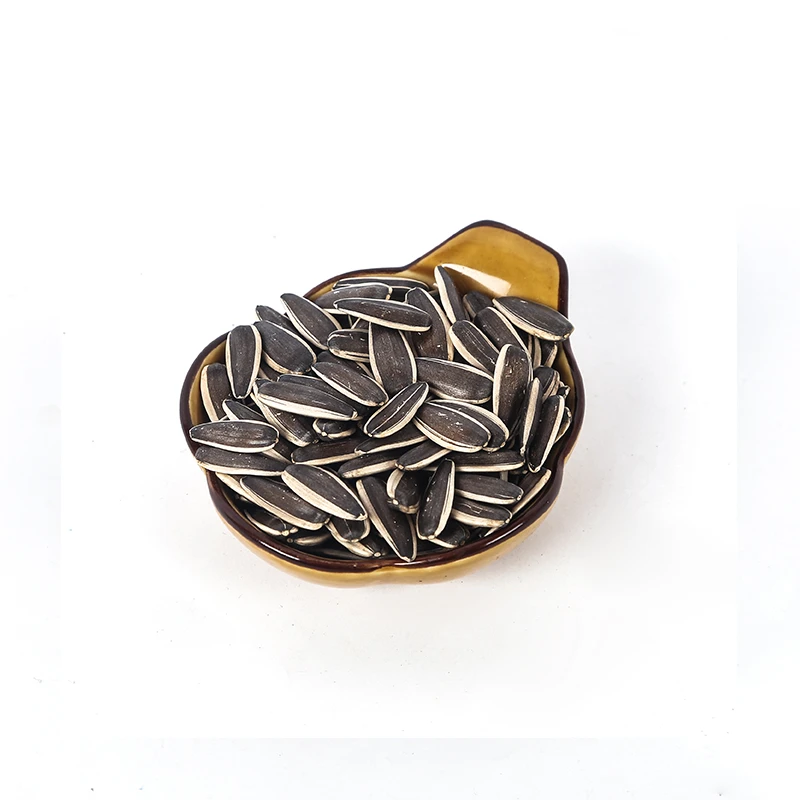
Free sunflower seed samples represent an initial stage in the bulk commodity trading process, primarily utilized for quality assessment and buyer validation prior to large-scale procurement. Sunflower seeds ( Helianthus annuus ) are a significant agricultural product, serving as a crucial input for edible oil production, confectionary applications, and increasingly, as a source of protein and fiber in animal feed. The provision of free samples is a standard practice within the B2B agricultural market, facilitating a due diligence process that mitigates risk for both supplier and purchaser. This guide details the material science, manufacturing considerations, performance characteristics, potential failure modes, and relevant industry standards pertaining to sunflower seeds offered as samples, and ultimately, the bulk product they represent. Core performance considerations include oil content, moisture content, kernel size and weight, hull percentage, and the presence of foreign material and broken kernels. The primary pain point for procurement managers lies in ensuring consistency between the sample provided and the bulk shipment received, as variations can significantly impact processing efficiency and final product quality.
Material Science & Manufacturing
Sunflower seeds are composed primarily of oil (35-55%), protein (18-25%), carbohydrates (15-20%), and fiber (5-10%), with residual moisture content typically between 8-12%. The oil is predominantly linoleic acid (a polyunsaturated omega-6 fatty acid) and oleic acid (a monounsaturated omega-9 fatty acid), with proportions varying depending on the cultivar. The seed hull, or pericarp, is composed of cellulose and lignin, providing a protective barrier. Manufacturing begins with agricultural cultivation, emphasizing optimized growing conditions (soil type, climate, irrigation) to maximize seed yield and oil content. Harvesting is typically mechanized, followed by drying to reduce moisture content and prevent fungal growth. Cleaning processes, utilizing air separation, screening, and gravity tables, remove foreign material such as stems, leaves, and weed seeds. De-hulling, either mechanical or chemical, may be employed depending on the end application. Key parameter control during manufacturing focuses on maintaining low moisture content (below 10%) to prevent aflatoxin contamination, minimizing seed damage during handling to preserve oil quality, and rigorous quality control checks for foreign material and kernel integrity. Seed size and weight are critical parameters affecting oil extraction efficiency. Kernel density is measured using specific gravity testing, and moisture content is determined via established drying oven methods, adhering to internationally recognized standards.
Performance & Engineering
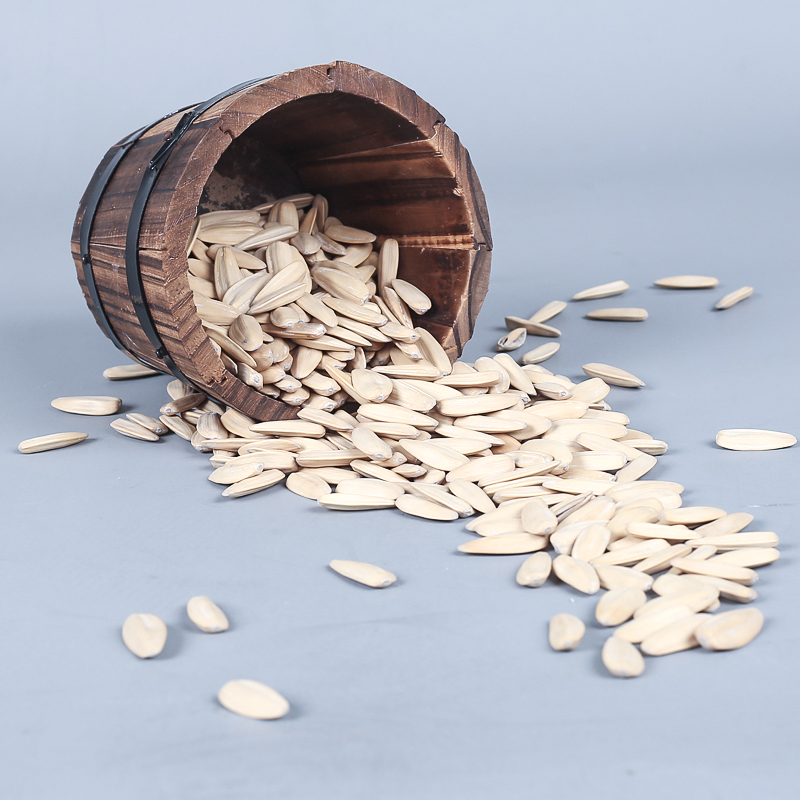
The performance of sunflower seeds, even at the sample stage, is evaluated based on several key engineering principles. Force analysis relates to the cracking force required to dehull the seed or break the kernel, influencing oil extraction efficiency. This force is dependent on hull thickness, kernel hardness, and moisture content. Environmental resistance is crucial, with sunflower seeds susceptible to degradation from moisture, temperature fluctuations, and insect infestation. Proper storage conditions – cool, dry, and well-ventilated – are essential to maintain seed viability and oil quality. Compliance requirements revolve around food safety standards (see Standards & Regulations section), specifically pertaining to aflatoxin levels, pesticide residues, and heavy metal contamination. Functional implementation focuses on the downstream processing; the seed’s physical characteristics dictate the optimal parameters for oil extraction (e.g., screw pressing, solvent extraction) or direct consumption. Seed size uniformity is paramount for efficient processing and consistent oil yield. Furthermore, packaging integrity is critical to prevent moisture ingress and maintain sample quality during transportation and storage. The stability of the oil within the seed is also a performance consideration, assessed through peroxide value and acid value measurements to indicate the onset of oxidation and rancidity.
Technical Specifications
| Parameter | Unit | Typical Range (Sample & Bulk) | Test Method |
|---|---|---|---|
| Oil Content (Dry Basis) | % | 42-52 | NMR Spectroscopy (AOCS Official Method) |
| Moisture Content | % | 8-10 | Oven Drying (AOCS Official Method) |
| Kernel Size (Diameter) | mm | 10-16 | Sieve Analysis |
| Kernel Weight (1000 Kernels) | g | 50-70 | Precision Weighing |
| Hull Percentage | % | 20-30 | Manual Separation & Weighing |
| Foreign Material | % | <1 | Visual Inspection & Classification |
Failure Mode & Maintenance
Sunflower seeds, even in sample quantities, are susceptible to several failure modes. Aflatoxin contamination, caused by Aspergillus flavus fungi, is a primary concern, particularly in warm, humid climates. This is often indicated by visible mold growth and can render the seeds unusable. Insect infestation (e.g., weevils, moths) can lead to kernel damage and reduced oil quality. Oxidative rancidity, due to exposure to oxygen and light, results in off-flavors and a decrease in nutritional value. Physical damage, such as cracking or chipping, during handling or transportation, compromises seed integrity and increases susceptibility to moisture absorption. Maintenance, in the context of samples, focuses on proper storage. Samples should be stored in airtight containers in a cool, dry, and dark environment. Regular inspection for signs of mold, insect activity, or rancidity is crucial. For bulk shipments represented by the sample, preventative maintenance includes proper silo cleaning and pest control measures, temperature and humidity monitoring during storage, and rapid processing to minimize storage time. Failure analysis often involves microscopic examination of damaged kernels to determine the root cause (e.g., insect damage, mechanical stress, fungal infection).
Industry FAQ
Q: What is the acceptable level of aflatoxin in sunflower seeds intended for human consumption?
A: The acceptable level of total aflatoxins in sunflower seeds varies by regulatory jurisdiction, but generally falls within the range of 2-5 parts per billion (ppb). European Union regulations are particularly stringent, often specifying a maximum limit of 2 ppb. Regular testing using ELISA or HPLC methods is essential to ensure compliance.
Q: How does moisture content affect the storage life of sunflower seeds?
A: Moisture content is a critical factor. Higher moisture levels (above 10%) promote fungal growth and aflatoxin production, significantly reducing storage life. Lower moisture levels (below 8%) inhibit fungal growth but can lead to kernel brittleness and increased breakage during handling. Maintaining a moisture content between 8-10% is optimal.
Q: What methods are used to determine the oil content of sunflower seeds?
A: The most accurate method for determining oil content is Nuclear Magnetic Resonance (NMR) spectroscopy, as outlined in AOCS official methods. Solvent extraction (e.g., using hexane) is another common method, but it requires careful solvent recovery and disposal. Near-infrared (NIR) spectroscopy offers a rapid, non-destructive alternative but requires calibration against reference methods.
Q: What are the implications of high free fatty acid (FFA) content in sunflower seeds?
A: High FFA content indicates that the oil within the seeds has begun to hydrolyze, resulting in rancidity and reduced oil quality. This can occur due to improper storage, high temperatures, or enzymatic activity. High FFA levels negatively impact oil refining processes and the flavor stability of the final oil product.
Q: How important is the uniformity of kernel size within a bulk shipment?
A: Kernel size uniformity is highly important. Consistent kernel size ensures optimal efficiency during oil extraction processes. Variations in size can lead to uneven cracking, incomplete oil release, and increased processing costs. Sieve analysis is used to assess kernel size distribution.
Conclusion
The quality of free sunflower seed samples is paramount as a predictive indicator of the bulk commodity's characteristics. Successful procurement hinges on a thorough understanding of the material science governing these seeds – their oil content, moisture levels, and susceptibility to degradation. Precise analytical methods, adherence to industry standards, and meticulous storage practices are crucial for maintaining sample integrity and ensuring alignment between the sample and the larger shipment.
Beyond the technical specifications, proactive failure mode analysis and robust preventative maintenance programs for both sample storage and bulk handling are essential for mitigating risks related to contamination, oxidation, and physical damage. The provided FAQ section highlights key concerns for procurement managers and engineers, underscoring the importance of clear communication and due diligence throughout the supply chain.
