Introduction
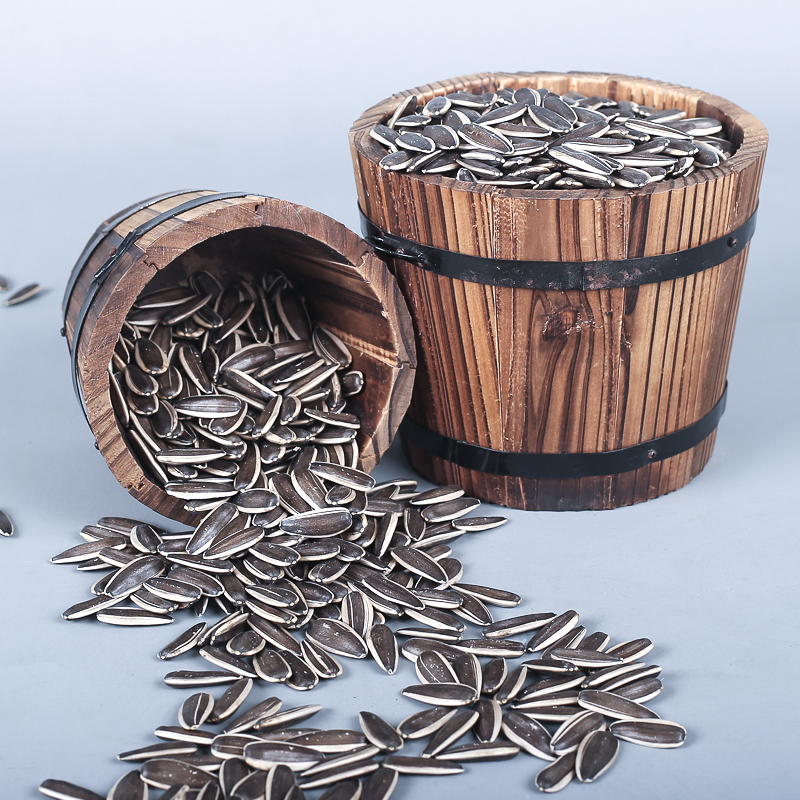
Sunflower seeds ( Helianthus annuus) represent a significant agricultural commodity globally, utilized extensively as a food source for both direct consumption and oil extraction. This technical guide details the characteristics of free sunflower seed samples, focusing on key quality parameters crucial for food processors, wholesalers, and end-use manufacturers. These samples serve as a benchmark for evaluating potential large-scale procurement, emphasizing aspects like oil content, protein levels, moisture content, and the prevalence of foreign matter. The industry currently faces challenges in consistent seed quality due to variations in growing conditions, harvesting techniques, and post-harvest handling. This guide addresses these concerns by providing a comprehensive overview of relevant specifications and potential failure points, ensuring informed decision-making in sourcing and quality control. The core performance of sunflower seeds is defined by their suitability for oil extraction efficiency, nutritional value, and minimal presence of contaminants affecting processing and consumer safety.
Material Science & Manufacturing
Sunflower seeds are composed primarily of the endosperm (approximately 60-70% by weight), which contains the oil and protein reserves. The hull, or pericarp (20-30%), provides a protective outer layer. The embryo (5-10%) constitutes the germ, containing the genetic material for future plant growth. Chemically, the oil is rich in linoleic acid (an omega-6 fatty acid), oleic acid (an omega-9 fatty acid), and palmitic acid. Protein content is largely comprised of globulins and albumins. Manufacturing begins with cultivation, influenced heavily by soil composition, sunlight exposure, and water availability. Harvesting methods include direct combine harvesting, which introduces higher levels of foreign matter, and a two-stage process involving swathing followed by combining, resulting in cleaner seeds. Post-harvest processing involves drying to reduce moisture content (typically to 8-10%), cleaning to remove debris, and grading based on seed size and quality. Key parameter control during drying is critical; excessively high temperatures can denature proteins and reduce oil quality, while insufficient drying leads to mold growth and aflatoxin contamination. Hulling, either mechanical or chemical, is performed to increase oil yield and create dehulled kernel products. Maintaining seed integrity during hulling is essential to prevent oil loss and minimize fines. Seed color, predominantly black or striped, is determined by genetic factors and can influence consumer preference and oil characteristics. Moisture content impacts storage life and susceptibility to microbial growth.
Performance & Engineering
The performance of sunflower seeds is heavily reliant on their structural integrity and chemical composition. Force analysis reveals that seed coat strength directly impacts resistance to cracking during processing (dehulling, shelling). A higher hull strength translates to a greater energy requirement for processing. Environmental resistance factors include tolerance to temperature fluctuations during storage and susceptibility to insect infestation. The oil stability index (OSI) is a critical engineering parameter measuring the rate of oxidation and rancidity development in the oil, directly affecting shelf life. Compliance requirements dictate maximum permissible levels of contaminants, including aflatoxins (regulated by various national and international bodies), heavy metals, and pesticide residues. Functional implementation focuses on optimizing oil extraction efficiency – typically through mechanical pressing or solvent extraction. The efficiency of these processes is dependent on seed density, oil droplet size within the endosperm, and the integrity of the cell walls. Seed size uniformity also plays a role in consistent processing performance, reducing blockages and maximizing throughput. Seed morphology (shape and surface texture) affects flowability during processing and packaging operations. Thermal conductivity during roasting or heating processes is affected by the oil and moisture content.
Technical Specifications
| Parameter | Unit | Specification (Typical Range) | Test Method |
|---|---|---|---|
| Oil Content (Dry Basis) | % | 42-58% | Soxhlet Extraction (AOCS Official Method) |
| Protein Content (Dry Basis) | % | 18-26% | Kjeldahl Method (AOCS Official Method) |
| Moisture Content | % | ≤ 10% | Oven Drying Method (AACC Method) |
| Foreign Matter | % | ≤ 1% | Visual Inspection & Sieving |
| Broken Kernels/Damage | % | ≤ 3% | Visual Inspection |
| Aflatoxin B1 | ppb | ≤ 20 ppb (Maximum permissible level varies by country) | ELISA or HPLC |
Failure Mode & Maintenance
Failure modes in sunflower seeds can be broadly categorized into physical damage, chemical degradation, and biological contamination. Physical damage, such as cracking or chipping, often occurs during harvesting, handling, and processing, leading to oil loss and reduced quality. Chemical degradation involves oxidation of lipids (rancidity), protein denaturation, and vitamin loss, accelerated by exposure to heat, light, and oxygen. Lipid oxidation results in off-flavors and decreased nutritional value. Biological contamination, primarily from molds and insects, poses a significant threat. Aflatoxin contamination, produced by Aspergillus flavus and Aspergillus parasiticus, is a major food safety concern. Maintenance strategies include proper storage conditions – cool, dry, and dark environments – to minimize oxidation and microbial growth. Regular monitoring for insect infestation and mold development is crucial. Implementing robust cleaning and drying procedures during processing is essential. Utilizing airtight packaging materials with oxygen barriers reduces oxidation rates. Preventive measures against cracking during processing involve optimizing equipment settings and handling procedures. Quality control programs incorporating regular testing for aflatoxins, oil quality (peroxide value, acid value), and moisture content are vital for ensuring product safety and consistency. Routine inspections of storage facilities for structural integrity and pest control are also necessary.
Industry FAQ
Q: What is the acceptable level of hull content in sunflower kernels intended for roasting?
A: The acceptable hull content varies depending on the specific application and customer preference. However, for roasting, a hull content of less than 5% is generally preferred to ensure a desirable texture and minimize unpleasant mouthfeel. Higher hull content can also lead to increased smoke generation during roasting. Detailed specifications should be agreed upon between the supplier and the end user.
Q: How does moisture content impact the storage life of sunflower seeds?
A: Moisture content is a critical factor affecting storage life. Higher moisture levels promote microbial growth and enzymatic activity, accelerating spoilage and reducing oil quality. Maintaining a moisture content of 8-10% is generally recommended for long-term storage. Regular monitoring of moisture levels during storage and implementing proper ventilation are essential.
Q: What are the key considerations for mitigating aflatoxin contamination risk?
A: Mitigating aflatoxin risk requires a multi-faceted approach. This includes sourcing seeds from regions with low aflatoxin prevalence, implementing rigorous quality control measures at all stages of the supply chain (pre-harvest, harvest, post-harvest, storage), and utilizing proper drying and storage techniques. Regular testing for aflatoxins using validated methods (ELISA, HPLC) is essential. Good agricultural practices, such as minimizing insect damage and controlling humidity, can also reduce risk.
Q: How do different harvesting methods influence seed quality?
A: Direct combine harvesting typically results in higher levels of foreign matter (stems, leaves, dirt) and damaged seeds compared to a two-stage harvesting process (swathing followed by combining). While direct combining is more efficient, the increased impurities require more intensive cleaning and sorting, potentially leading to yield losses. The two-stage process yields a cleaner product but is more labor-intensive.
Q: What is the significance of the acid value in sunflower oil, and what does a high acid value indicate?
A: The acid value is a measure of the free fatty acids present in the oil. A high acid value indicates that the oil has undergone hydrolysis, either due to enzymatic activity or prolonged exposure to heat and moisture. This results in decreased oil quality, off-flavors, and reduced shelf life. A typical acceptable acid value for sunflower oil is less than 0.3 mg KOH/g.
Conclusion
Sunflower seeds represent a valuable commodity, but maintaining consistent quality requires meticulous attention to detail throughout the entire supply chain. This guide has detailed the critical material science properties, manufacturing considerations, performance parameters, and potential failure modes associated with these seeds. Understanding the interplay between these factors is essential for ensuring product safety, optimizing processing efficiency, and meeting stringent industry standards.
Future advancements in sunflower seed breeding programs will likely focus on developing varieties with improved oil content, enhanced disease resistance, and increased tolerance to environmental stresses. Implementing advanced analytical techniques for rapid and accurate quality assessment will further streamline quality control processes. Collaborative efforts between researchers, producers, and processors are crucial for addressing ongoing challenges and ensuring a sustainable and high-quality sunflower seed supply.
