
Introduction
Sunflower seed sampling, while seemingly simple, represents a crucial juncture in the agricultural commodity chain. This technical guide focuses on the provision of free sunflower seed samples by manufacturers – a standard practice for quality assessment, contract negotiation, and new customer acquisition. The technical positioning within the industry chain lies at the intersection of agricultural production, seed processing technology, and analytical chemistry. Core performance characteristics of delivered samples must accurately reflect the bulk seed lot, encompassing parameters like oil content, moisture levels, germination rate, and absence of contaminants. Failure to provide representative samples directly impacts buyer confidence and potential commercial agreements. This guide will delve into the material science, manufacturing nuances, performance parameters, failure modes, and relevant standards governing the provision and assessment of these samples.
Material Science & Manufacturing
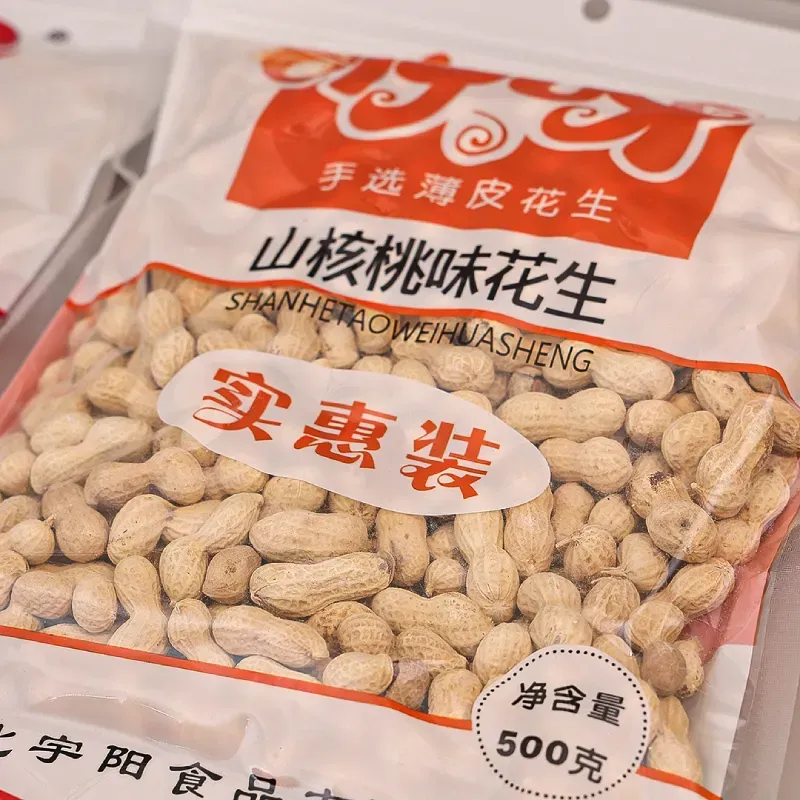
Sunflower seeds ( Helianthus annuus ) are complex biological structures primarily composed of carbohydrate-based endosperm (approximately 65-75% dry weight), oil (35-55% dry weight, varying by hybrid), protein (15-25% dry weight), and a hull or pericarp (approximately 25-30% of total seed weight). The oil content is primarily linoleic acid (omega-6) and oleic acid (omega-9), influencing nutritional value and processing suitability. Seed maturity significantly impacts oil content and fatty acid profile. Manufacturing of samples begins with harvesting and drying – critical stages influencing seed quality. Drying methods, including forced air and solar drying, must be carefully controlled to minimize cracking and preserve oil integrity. Post-drying processes include dehulling (optional, depending on end-use), sizing (ensuring uniform sample representation), and cleaning (removal of debris, chaff, and foreign material). Sample packaging materials are crucial, typically utilizing airtight, multi-layer films (polyethylene/aluminum/polypropylene laminates) to prevent moisture absorption and oxidative degradation. Parameter control during the sampling process is paramount. Samples must be collected using established statistical methods (e.g., random sampling from multiple points within a bulk lot) to ensure representativeness. Seed moisture content is maintained between 8-10% to prevent fungal growth and maintain viability. Temperature control during storage and transport is also vital; samples should be kept below 25°C to minimize oil rancidity.
Performance & Engineering
The performance of a sunflower seed sample is fundamentally its ability to accurately represent the bulk lot for analytical testing and end-use evaluation. Key performance metrics relate to its stability during transport and storage and the preservation of its intrinsic properties. Force analysis focuses on impact resistance during handling – packaging must withstand typical shipping stresses. Environmental resistance is paramount, specifically protection against moisture ingress (water activity <0.65) and oxygen permeation (to minimize lipid oxidation). Germination rate, a critical indicator of seed viability, is sensitive to temperature and humidity fluctuations. Compliance requirements include adherence to national and international phytosanitary regulations (preventing the spread of seed-borne diseases) and labeling standards (accurate description of seed variety, origin, and quality parameters). Functional implementation necessitates standardized sampling protocols outlined by organizations like the American Oil Chemists’ Society (AOCS) and the International Seed Testing Association (ISTA). Furthermore, ensuring sample integrity against adulteration or contamination is a crucial engineering consideration, often requiring tamper-evident packaging and chain-of-custody documentation.
Technical Specifications
| Parameter | Unit | Typical Range | Test Method |
|---|---|---|---|
| Oil Content (Dry Basis) | % | 40-55 | AOCS Official Method Ak 3.25 |
| Moisture Content | % | 8-10 | AOCS Official Method Ba 2-38 |
| Germination Rate | % | >80 (depending on hybrid) | ISTA Rules |
| Foreign Matter | % | <1 | Visual Inspection, ISTA |
| Acid Value | mg KOH/g | <1.0 | AOCS Official Method Ca 9-50 |
| Peroxide Value | meq O2/kg | <10 | AOCS Official Method Cd 8-53 |
Failure Mode & Maintenance
Failure modes for sunflower seed samples revolve around degradation of sample representativeness or seed quality. Common failures include: Moisture Absorption: Leading to increased microbial growth, reduced germination rate, and altered oil composition. Lipid Oxidation: Caused by exposure to oxygen, resulting in rancidity, decreased oil quality, and formation of undesirable flavor compounds. Physical Damage: Cracking or breakage during handling and transport compromises seed integrity and analytical accuracy. Contamination: Introduction of foreign materials (dust, debris, pesticides) affects test results and may render the sample unusable. Inadequate Sample Size: A non-representative sample fails to accurately reflect the bulk lot’s characteristics. Maintenance solutions involve: Appropriate Packaging: Utilizing moisture-barrier and oxygen-barrier films. Controlled Storage Conditions: Maintaining low temperature and humidity. Gentle Handling Procedures: Minimizing physical stress during transport. Strict Quality Control: Implementing robust sampling protocols and analytical testing. Tamper-Evident Seals: Preventing unauthorized access and ensuring sample integrity. Regularly auditing sample handling procedures and providing staff training are also vital preventive measures. Failure analysis should include identifying the root cause of degradation (e.g., packaging failure, improper storage) and implementing corrective actions.
Industry FAQ
Q: What is the acceptable tolerance for oil content variation between the sample and the bulk lot?
A: The acceptable tolerance for oil content typically falls within +/- 1.5% absolute difference, provided the sample was collected using a statistically sound sampling plan. AOCS methods are the standard for verification. Significant deviations necessitate a re-evaluation of the sampling procedure and potential re-testing of the bulk lot.
Q: How does seed variety impact the expected germination rate of the sample?
A: Germination rate is highly variety-specific. Hybrid sunflower seeds generally exhibit higher germination rates (often >85%) compared to open-pollinated varieties. The sample specifications should clearly state the seed variety and the expected germination rate based on breeder data and seed lot certification.
Q: What are the implications of high acid value in a sunflower seed sample?
A: A high acid value indicates the presence of free fatty acids, suggesting hydrolysis of triglycerides due to enzymatic activity or prolonged storage under unfavorable conditions. This compromises oil quality, reduces shelf life, and may indicate seed deterioration.
Q: What packaging materials are recommended for long-term storage (over 6 months) of sunflower seed samples?
A: For long-term storage, a multi-layer laminate consisting of polyethylene (PE), aluminum foil, and polypropylene (PP) is recommended. The aluminum foil provides an excellent oxygen barrier, while the PE and PP offer moisture protection and mechanical strength. Vacuum sealing is also advised to minimize oxygen exposure.
Q: How often should sampling procedures be audited to ensure accuracy and representativeness?
A: Sampling procedures should be audited at least annually, and more frequently if there are changes in the production process, packaging materials, or storage conditions. Audits should assess adherence to established sampling plans, proper documentation, and the calibration of analytical equipment.
Conclusion
The provision of representative and stable sunflower seed samples is paramount to facilitating successful commercial transactions and ensuring product quality. Understanding the material science of the seed itself, coupled with rigorous control of manufacturing processes, packaging selection, and storage conditions, is crucial for mitigating failure modes and maintaining sample integrity. Accurate analytical assessment of sample parameters, guided by established industry standards, provides buyers with the confidence necessary for informed decision-making.
Future developments in this area will likely focus on the use of advanced packaging technologies (e.g., modified atmosphere packaging) to further extend sample shelf life and the implementation of digital tracking systems to enhance chain-of-custody documentation and prevent adulteration. Continuous improvement of sampling protocols and adherence to evolving regulatory requirements will remain essential for ensuring the reliability and validity of sunflower seed samples within the global agricultural commodity market.
