Introduction
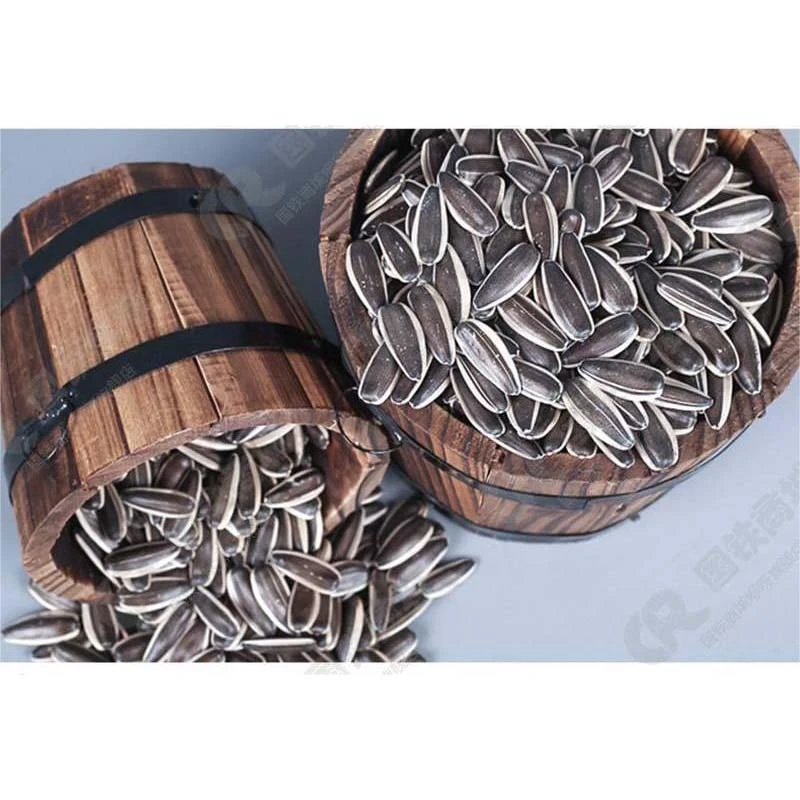
Sunflower seed sampling, while seemingly simple, represents a critical quality control and market access point for agricultural commodity suppliers. The provision of free sunflower seed samples – a common practice to secure bulk orders – necessitates a deep understanding of seed physiology, storage stability, contaminant analysis, and adherence to international agricultural standards. This guide provides a comprehensive technical overview of the processes involved in offering free sunflower seed samples, focusing on ensuring sample integrity, representative composition, and compliance with importing country regulations. From initial seed selection and processing to packaging and logistical considerations, this document details best practices for optimizing the sample delivery process, minimizing rejection rates, and establishing trust with potential buyers. The core performance characteristics we will address include oil content, protein content, moisture levels, and the absence of aflatoxins and other harmful contaminants. The provision of high-quality samples is paramount in demonstrating consistent product quality and securing long-term B2B partnerships.
Material Science & Manufacturing
Sunflower seeds (Helianthus annuus) are composed primarily of an oil-rich kernel surrounded by a hull (pericarp). Kernel oil content typically ranges from 40-55% by weight, significantly influencing its market value. The hull comprises approximately 20-30% of the seed’s total weight and provides structural protection. Seed composition varies by cultivar, growing conditions, and post-harvest processing. The primary raw material is, therefore, the mature sunflower head, harvested when seeds reach physiological maturity (approximately 9-12% moisture content). Manufacturing the samples involves several key steps. First, the seeds undergo cleaning to remove debris, stems, leaves, and other foreign material using a combination of screens, air separation, and magnetic separation. Next, size grading separates seeds by diameter, ensuring uniformity in the sample. Drying to a target moisture content (typically 8-10%) is crucial for long-term storage stability and prevention of fungal growth. This is often achieved using controlled-temperature drying systems. A critical parameter is drying rate; excessive heat can denature proteins and reduce oil quality. Finally, the selected seeds are packaged for distribution. Packaging materials must provide a moisture barrier, protect against physical damage, and prevent contamination. Polyethylene or multi-layer laminates are commonly used. Key parameter control includes monitoring moisture content throughout the process, ensuring consistent seed size grading, and verifying the absence of foreign matter. Seed protein composition is influenced by nitrogen fertilization during growth, with higher nitrogen leading to increased protein content. Seed oil composition is dependent on the genotype and environmental conditions, influencing fatty acid profiles (oleic, linoleic, palmitic acids).
Performance & Engineering
The performance of sunflower seed samples is assessed based on several critical parameters. Moisture content is paramount; exceeding 10% increases the risk of mold growth and aflatoxin contamination. Oil content, typically measured via Soxhlet extraction or NMR, directly correlates with economic value. Kernel soundness, assessed visually and through mechanical damage assessment, indicates the quality of handling and storage. Force analysis is relevant in evaluating hull strength and kernel resistance to cracking during transport. Environmental resistance focuses on maintaining seed viability during shipping and storage, particularly against temperature fluctuations and humidity. Compliance requirements are extensive and vary by importing country. These include regulations on pesticide residues (e.g., Maximum Residue Levels - MRLs), mycotoxin levels (aflatoxins, ochratoxin A), and genetically modified organism (GMO) labeling. Functional implementation centers on ensuring the sample accurately represents the bulk product. Statistical sampling techniques are employed to obtain a representative subset of seeds, minimizing bias. Packaging is engineered to withstand typical shipping stresses (vibration, compression, impact) and maintain seed integrity. The logistical chain must be controlled to minimize transit time and exposure to adverse conditions.
Technical Specifications
| Parameter | Unit | Typical Value | Acceptable Range |
|---|---|---|---|
| Moisture Content | % | 8.5 | 8.0 – 10.0 |
| Oil Content (Dry Basis) | % | 48 | 45 – 55 |
| Protein Content (Dry Basis) | % | 22 | 20 – 25 |
| Kernel Soundness | % | 98 | >95 |
| Aflatoxin B1 | ppb | <2 | <20 (EU Regulation) |
| 1000-Kernel Weight | grams | 50 | 45-55 |
Failure Mode & Maintenance
Failure modes in sunflower seed samples primarily relate to degradation of quality during storage and transport. Oxidative rancidity, caused by the reaction of unsaturated fatty acids with oxygen, is a common issue. This is accelerated by high temperatures and exposure to light. Aflatoxin contamination, resulting from fungal growth (Aspergillus flavus and Aspergillus parasiticus), is a serious concern, particularly in warm and humid conditions. Physical damage, such as cracking or chipping, can occur during handling and shipping, increasing susceptibility to insect infestation and mold growth. Delamination of the hull from the kernel can also occur, affecting visual appeal and potentially indicating internal damage. Maintenance focuses on preventative measures. Proper storage conditions – cool, dry, and dark – are essential. Packaging should be airtight and provide a moisture barrier. Regular monitoring of moisture content and aflatoxin levels is crucial. Insect control measures should be implemented to prevent infestation. For long-term storage, nitrogen flushing of packaging can reduce oxygen levels and slow down oxidation. Seed viability can be tested periodically to ensure the sample remains representative. Failure analysis should involve identifying the root cause of degradation – whether it's temperature abuse, moisture ingress, or contamination – to implement corrective actions. Documentation of storage and handling conditions is crucial for traceability and quality control.
Industry FAQ
Q: What is the acceptable level of foreign material in a sunflower seed sample intended for export to the European Union?
A: The European Union has strict regulations regarding foreign material. Generally, the acceptable level is less than 1% by weight. This includes, but is not limited to, stems, leaves, stones, metal fragments, and other seeds. EU regulations detail specific tolerances for different types of foreign material, which must be met for import clearance. Documentation and certificates of analysis verifying compliance are typically required.
Q: How does temperature fluctuation during shipping affect the oil quality of sunflower seeds?
A: Temperature fluctuations accelerate oxidative rancidity. Repeated cycles of warming and cooling cause condensation within the packaging, increasing moisture content and creating an environment conducive to enzymatic activity and lipid peroxidation. This degrades the oil, leading to off-flavors and reduced nutritional value. Maintaining a stable temperature below 25°C throughout the shipping process is recommended. Controlled temperature containers are often used for long-distance transport.
Q: What testing methods are commonly used to determine aflatoxin levels in sunflower seed samples?
A: The most common method is Enzyme-Linked Immunosorbent Assay (ELISA), which is a rapid and cost-effective screening tool. However, for confirmation and precise quantification, High-Performance Liquid Chromatography (HPLC) with fluorescence detection is preferred. Both methods are validated according to international standards (e.g., AOAC International) to ensure accuracy and reliability. Samples are typically analyzed in accredited laboratories.
Q: What is the significance of the 1000-kernel weight, and how does it relate to seed quality?
A: 1000-kernel weight (TKW) is a measure of seed size and fullness. It is directly correlated with oil content and overall seed vigor. A higher TKW generally indicates a larger kernel with a greater oil reserve, resulting in higher oil yield. Significant variations in TKW within a sample can indicate inconsistency in seed maturity or cultivar purity. It’s a key parameter used for quality assessment and pricing.
Q: What packaging materials are recommended for long-term storage of sunflower seed samples to prevent moisture absorption?
A: Multi-layer laminates incorporating a polyethylene (PE) inner layer, an aluminum foil layer for a gas barrier, and a polyester (PET) outer layer for strength are highly recommended. These materials provide excellent moisture barrier properties and protect against oxygen and light. The laminate should have a low Water Vapor Transmission Rate (WVTR) – ideally below 5 g/m²/24h. Sealed bags with desiccant packets can further enhance moisture control.
Conclusion
The successful provision of free sunflower seed samples hinges on a meticulous understanding of seed physiology, rigorous quality control, and adherence to international standards. Maintaining optimal moisture content, preventing aflatoxin contamination, and ensuring accurate representation of the bulk product are critical factors influencing buyer confidence and securing long-term commercial relationships. The technical specifications outlined in this guide provide a benchmark for assessing sample quality and establishing consistent product delivery.
Future advancements in seed treatment technologies and packaging materials offer opportunities to further enhance sample stability and reduce the risk of degradation. Implementing robust traceability systems and utilizing data analytics to monitor storage and transport conditions will also contribute to improved quality control. Ultimately, prioritizing technical excellence in the sampling process is essential for establishing a reputation as a reliable and trustworthy sunflower seed supplier in the global market.
