Introduction
Sunflower seed exports, particularly the provision of free samples, represent a critical introductory step in establishing international trade relationships. This guide details the technical aspects of maintaining seed quality, ensuring regulatory compliance, and mitigating risks associated with long-distance transport. The industry chain begins with agricultural production, transitions through post-harvest processing (drying, cleaning, grading), and culminates in export logistics. Core performance characteristics, essential for both acceptance and sustained trade, encompass oil content, moisture levels, germination rates (for breeding seed), and absence of contaminants. A key pain point for importers is ensuring consistent quality across batches, as variations can disrupt manufacturing processes (e.g., oil extraction) or diminish product appeal. Providing representative, rigorously tested samples is paramount to building trust and addressing these concerns. The provision of these samples is not merely a marketing tactic but a technical demonstration of capability and quality control.
Material Science & Manufacturing
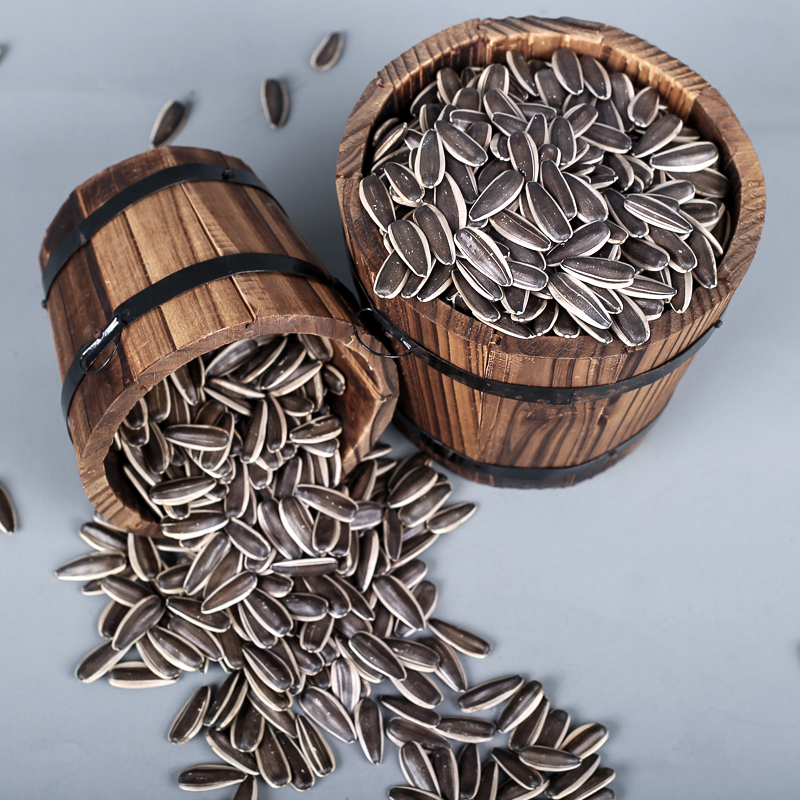
Sunflower seeds ( Helianthus annuus) are composed primarily of lipid (oil) content ranging from 42-58% depending on the variety. The hull (pericarp) consists largely of cellulose and lignin, providing physical protection. The kernel contains proteins (20-25%), carbohydrates (15-20%) and moisture (typically 6-10% for storage stability). Manufacturing begins with harvesting at physiological maturity. Critical parameters during drying, usually employing forced air systems, include maintaining temperatures below 60°C to prevent protein denaturation and lipid oxidation, reducing moisture content to <9% for long-term storage, and achieving uniform drying to avoid fungal growth. Cleaning processes remove debris, foreign materials, and broken seeds. Grading is based on seed size, weight, and visual defects. A key chemical consideration is the fatty acid profile of the oil, with linoleic acid (omega-6) and oleic acid being the primary components. Contamination with aflatoxins, produced by Aspergillus molds, is a significant safety concern, necessitating rigorous quality control. Packaging materials must exhibit low oxygen transmission rates and moisture permeability to maintain seed viability and prevent rancidity. Post-harvest treatments, such as seed coating with protectants, may also be applied to prevent insect infestation during storage and transport.
Performance & Engineering
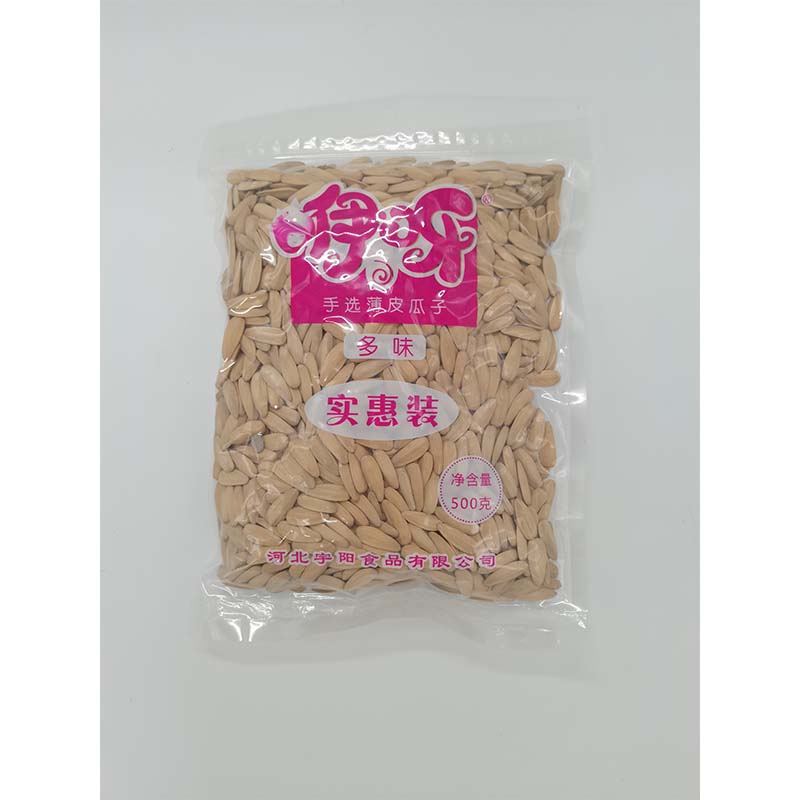
Performance criteria for sunflower seeds destined for export are dictated by intended use – confectionery, oil extraction, or breeding. For confectionery seeds, physical characteristics (size, shape, hull color) are paramount, impacting consumer appeal. Oil content and fatty acid profile are crucial for oil extraction, influencing oil yield and quality. Germination rates and genetic purity are critical for breeding seeds. Environmental resistance during transport is a significant engineering challenge. Seeds are susceptible to damage from vibration, impact, and temperature fluctuations. Packaging must provide adequate cushioning and insulation. Moisture migration within the package can lead to condensation, promoting fungal growth. Compliance with import regulations is essential. This includes phytosanitary certifications (ensuring freedom from pests and diseases), labeling requirements (origin, weight, variety), and maximum residue limits (MRLs) for pesticides. Force analysis during shipping considers compressive strength of packaging and the potential for seed breakage due to stacking. Seed viability is impacted by temperature; maintaining temperatures below 25°C during transport is recommended to preserve germination rates.
Technical Specifications
| Parameter | Unit | Confectionery Grade | Oil Extraction Grade |
|---|---|---|---|
| Oil Content | % (Dry Weight Basis) | >50 | >42 |
| Moisture Content | % | <9 | <9 |
| Kernel Size (Diameter) | mm | 16-20 | 14-18 |
| Hull Percentage | % | <40 | <50 |
| Germination Rate (Breeding Seed) | % | >85 | N/A |
| Aflatoxin Level (B1) | ppb | <2 | <5 |
Failure Mode & Maintenance
Failure modes in sunflower seed exports include: 1) Moisture Absorption & Fungal Growth: Inadequate packaging or prolonged exposure to humidity leads to increased moisture content, promoting fungal growth (e.g., Aspergillus, Penicillium) and aflatoxin production. Mitigation: hermetically sealed packaging, desiccant inclusion, temperature-controlled storage. 2) Mechanical Damage & Kernel Cracking: Rough handling during transport causes kernel cracking, reducing quality and potentially leading to oil leakage. Mitigation: robust packaging, proper cushioning, careful handling procedures. 3) Lipid Oxidation & Rancidity: Exposure to oxygen and elevated temperatures accelerates lipid oxidation, resulting in rancidity and off-flavors. Mitigation: nitrogen flushing of packages, antioxidant addition (within regulatory limits), cold chain management. 4) Insect Infestation: Contamination with insects during storage or transport. Mitigation: fumigation (pre-shipment), insecticidal packaging, temperature control. 5) Genetic Degradation (Breeding Seed): Exposure to high temperatures or humidity reduces germination rates and genetic purity. Mitigation: temperature-controlled storage and transport, low-humidity packaging. Maintenance focuses on preventative measures – proper storage conditions (cool, dry, dark), regular inspection for pests and mold, and adherence to quality control protocols throughout the supply chain.
Industry FAQ
Q: What is the acceptable tolerance for foreign matter in a confectionery grade sunflower seed shipment?
A: Typically, the acceptable tolerance for foreign matter (e.g., stems, leaves, dirt) in confectionery grade sunflower seeds is ≤1.0% by weight, as per industry standards established by organizations like the National Sunflower Association. However, individual contract specifications may define more stringent requirements, and adherence to importing country regulations is paramount.
Q: How is aflatoxin contamination typically tested for, and what are the consequences of exceeding regulatory limits?
A: Aflatoxin contamination is typically tested for using HPLC (High-Performance Liquid Chromatography) or ELISA (Enzyme-Linked Immunosorbent Assay) methods. Exceeding regulatory limits (e.g., 2 ppb in confectionery seeds in many markets) can result in shipment rejection, fines, and potential damage to the exporter’s reputation. Comprehensive testing prior to shipment is crucial.
Q: What type of packaging is recommended for maintaining seed viability during long-duration ocean freight?
A: Multi-layer packaging is recommended. This typically involves an inner liner of polyethylene (PE) film for moisture barrier, a middle layer of corrugated cardboard for cushioning, and an outer layer of woven polypropylene (PP) for strength and protection. Nitrogen flushing before sealing and the inclusion of a desiccant packet further enhance preservation.
Q: What phytosanitary certificates are typically required for sunflower seed exports?
A: A phytosanitary certificate issued by the exporting country’s national plant protection organization is generally required. This certificate confirms that the seeds are free from regulated pests and diseases. Specific requirements vary depending on the importing country. Compliance with IPPC (International Plant Protection Convention) standards is also crucial.
Q: How does the oil content of sunflower seeds impact the extraction efficiency and oil quality?
A: Higher oil content directly translates to a greater oil yield during extraction. The fatty acid profile also significantly impacts oil quality. Seeds with a higher oleic acid content produce oil with greater oxidative stability, extending shelf life. Importers will often specify desired oil content and fatty acid profiles in their purchase agreements.
Conclusion
The successful export of sunflower seed samples, and subsequent bulk shipments, hinges on a comprehensive understanding of the seed’s material properties, manufacturing processes, and performance requirements. Maintaining seed quality through meticulous control of moisture content, temperature, and packaging is critical. Addressing potential failure modes – fungal contamination, mechanical damage, and lipid oxidation – requires proactive preventative measures and adherence to international standards.
Looking ahead, advancements in seed breeding focusing on improved oil content, fatty acid profiles, and disease resistance will further enhance the value of sunflower seed exports. Sustainability initiatives, including reducing water usage during irrigation and minimizing pesticide application, are gaining increasing importance. Continuous monitoring of import regulations and adapting to evolving market demands will be essential for long-term success.
