Introduction
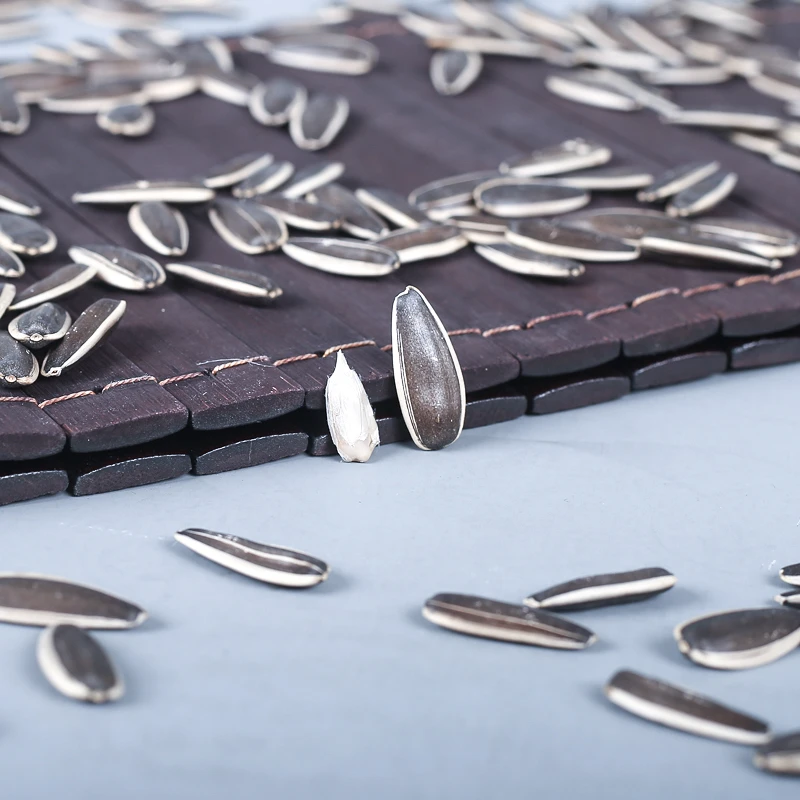
Free sunflower seed samples, exported globally, represent a critical initial step in establishing commercial relationships within the food processing, confectionery, and animal feed industries. This guide details the technical considerations surrounding the preservation, quality control, and logistical complexities inherent in providing representative samples of sunflower seeds. Sunflower seeds ( Helianthus annuus) are valued for their oil content, protein profile, and nutritional benefits, demanding stringent quality parameters during sampling and shipment. The provision of free samples is fundamentally a risk mitigation strategy for both the exporter and the potential importer, requiring meticulous attention to seed variety, moisture content, oil acidity, and potential contamination. Understanding the interplay between these factors is crucial for successful market penetration. This document will explore the material science, manufacturing processes, performance characteristics, potential failure modes, and relevant industry standards impacting the quality and reliability of free sunflower seed samples.
Material Science & Manufacturing
Sunflower seeds are comprised of a hull (pericarp), kernel, and embryo. The kernel constitutes the economically valuable portion, primarily consisting of lipids (40-50% oil content), proteins (20-25%), carbohydrates (15-20%), and fiber. The oil composition is largely linoleic acid (omega-6) and oleic acid (omega-9), impacting oxidative stability. Seed varieties differ significantly in oil content, fatty acid profiles, and kernel size. Manufacturing begins with cultivar selection, influenced by target market demands. Harvesting methods – mechanical versus manual – affect seed damage and foreign material content. Post-harvest processing involves cleaning (removal of stems, leaves, dirt), drying to achieve a moisture content of 8-10% (critical for preventing fungal growth and lipid peroxidation), dehulling (optional, depending on end-use), and grading based on kernel size and quality. Drying typically occurs using forced-air systems, with temperature control paramount to avoid protein denaturation and oil degradation. Temperature exceeding 45°C can negatively impact oil quality and seed viability. Packaging for samples necessitates materials with low oxygen transmission rates (OTR) and low moisture vapor transmission rates (WVTR) to maintain sample integrity during transit. Common materials include multi-layer foil laminates or high-barrier plastic films. Parameter control during drying is achieved through continuous monitoring of moisture content using electronic moisture meters and regular assessment of oil acidity via titration. Proper cleaning requires a series of screens and air separators to remove debris of varying sizes and densities.
Performance & Engineering
The performance of sunflower seed samples is largely defined by their ability to accurately represent the bulk product’s quality and stability during transport and storage. Key engineering considerations include minimizing mechanical damage during handling (reducing kernel breakage and fines generation) and preventing moisture ingress (inhibiting microbial growth and rancidity). Force analysis during packaging and shipping identifies potential stress points that could lead to seed damage. Packaging must withstand vibration, compression, and impact forces encountered during typical freight scenarios. Environmental resistance focuses on maintaining seed viability and oil quality under varying temperature and humidity conditions. Samples shipped to humid climates require packaging with exceptionally low WVTR. Compliance requirements are dictated by importing country regulations regarding phytosanitary certificates, allowable pesticide residues, and mycotoxin levels (aflatoxins, ochratoxins). Functional implementation involves selecting a sample size representative of the overall batch, typically ranging from 50g to 500g, depending on the intended analysis. Maintaining chain of custody documentation throughout the sampling and shipping process is essential for traceability and quality assurance. The impact of storage duration on seed quality must also be considered; even properly packaged samples will degrade over time, so rapid analysis by the importer is recommended.
Technical Specifications
| Parameter | Unit | Typical Value (High-Quality Samples) | Acceptable Range (For Sample Export) |
|---|---|---|---|
| Moisture Content | % | 8.5% | 7.5% - 10.5% |
| Oil Content | % (dry basis) | 48% | 45% - 52% |
| Free Fatty Acid (as oleic acid) | % | 0.8% | 0.5% - 1.2% |
| Kernel Broken (%) | % | 2% | 0% - 5% |
| Foreign Matter (%) | % | 0.5% | 0% - 2% |
| Aflatoxin B1 | ppb | <2 ppb | <4 ppb (compliant with EU regulations) |
Failure Mode & Maintenance
Failure modes in sunflower seed samples primarily relate to degradation of quality during transit and storage. Common failures include: Lipid Oxidation (Rancidity): Triggered by exposure to oxygen, light, and elevated temperatures, resulting in off-flavors and reduced oil quality. Mitigation involves vacuum packaging or nitrogen flushing. Microbial Growth: High moisture content and warm temperatures promote fungal and bacterial growth, leading to mycotoxin contamination (aflatoxins are particularly concerning). Proper drying and packaging are critical preventative measures. Mechanical Damage: Kernel breakage and fines generation increase surface area exposed to oxygen, accelerating rancidity. Gentle handling and appropriate packaging are essential. Insect Infestation: Although less common with smaller samples, insect infestation can occur if packaging is compromised. Good sanitation practices and airtight packaging are crucial. Moisture Absorption: Exposure to humid environments can lead to increased moisture content, promoting microbial growth and accelerating lipid oxidation. The use of desiccants within packaging can help control moisture levels. Maintenance, in the context of sample integrity, focuses on proper storage conditions upon receipt. Importers should store samples in a cool, dry, dark place to minimize degradation. Regular monitoring of key parameters (moisture content, oil acidity) is recommended, especially for samples stored for extended periods.
Industry FAQ
Q: What is the typical shelf life of a sunflower seed sample, assuming proper packaging and storage?
A: While sunflower seeds have a relatively long shelf life, a free sample’s viability for accurate representation is limited. We recommend analysis within 3 months of dispatch, even with optimal packaging (vacuum sealed with desiccant). After 3 months, oil quality and seed viability may begin to decline, affecting test results.
Q: How do you ensure the sample is representative of the larger batch we might import?
A: We utilize stratified random sampling techniques, drawing seeds from multiple locations within the production batch. A Certificate of Analysis (CoA) accompanies each sample, detailing key parameters (oil content, moisture, FFA, aflatoxin levels) to provide a precise representation of the bulk lot.
Q: What packaging materials do you use to protect the sample during international shipping?
A: We utilize multi-layer foil laminate pouches with a minimum OTR of <1 cm³/m²/day and WVTR of <1 g/m²/day. Samples are also sealed in airtight plastic containers and include a desiccant packet to absorb any residual moisture.
Q: What documentation is included with the sample to ensure compliance with import regulations?
A: Each sample is accompanied by a Commercial Invoice, Packing List, Certificate of Analysis (CoA), and a Phytosanitary Certificate confirming the seeds are free from regulated pests and diseases. We can also provide documentation regarding pesticide residue levels if requested.
Q: What measures do you take to prevent aflatoxin contamination in your sunflower seeds?
A: We implement a comprehensive aflatoxin control program throughout the entire supply chain, starting with sourcing seeds from reputable growers with stringent agricultural practices. Regular testing is conducted at multiple stages – pre-harvest, post-harvest, and during processing – using ELISA and HPLC methods to ensure aflatoxin levels remain below regulatory limits.
Conclusion
The provision of free sunflower seed samples is a crucial step in fostering international trade, but requires a robust understanding of the underlying material science and logistical challenges. Maintaining sample integrity – preserving oil quality, preventing microbial contamination, and minimizing mechanical damage – is paramount. Adherence to established industry standards and meticulous quality control procedures are essential for ensuring the sample accurately represents the bulk product and meets the importing country’s regulatory requirements.
Ultimately, a successful sample export program necessitates a holistic approach encompassing cultivar selection, optimized processing parameters, appropriate packaging, and comprehensive documentation. By prioritizing these technical aspects, exporters can build trust with potential buyers and facilitate long-term commercial relationships within the global sunflower seed market.
