Introduction
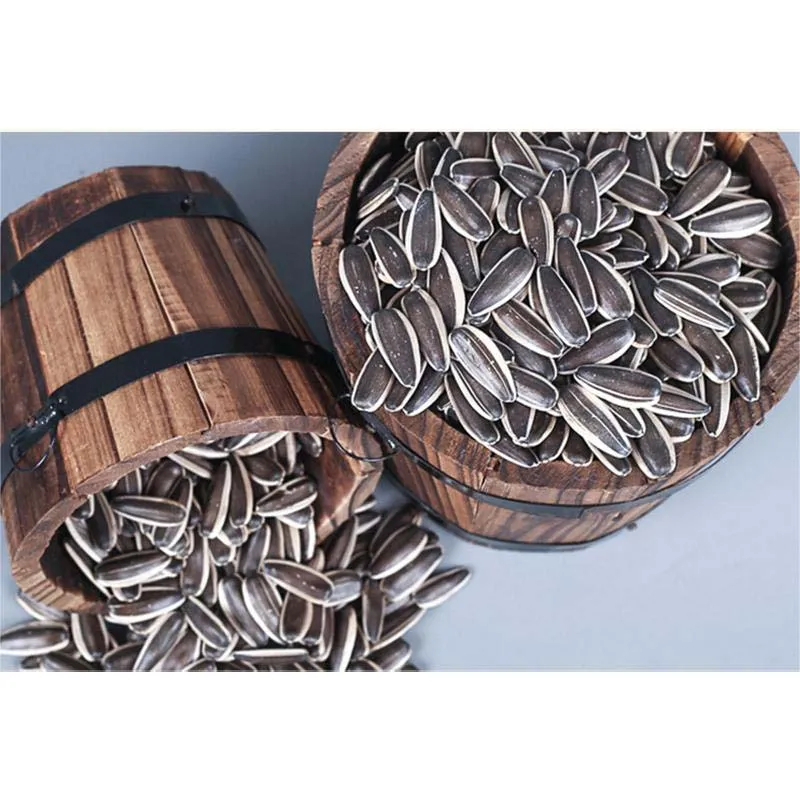
Five flavors sunflower seeds represent a processed snack food product derived from the Helianthus annuus seed. Positioned within the broader snack food industry, these seeds undergo a series of treatments – roasting, flavoring, and packaging – to deliver a consumable product targeting both individual consumers and wholesale distribution channels. Core performance characteristics center on flavor profile consistency, seed integrity (minimizing broken or empty shells), oil content, and shelf life stability. The product's competitive advantage relies on balanced flavorings, consistent seed quality, and adherence to food safety regulations. This guide provides a comprehensive technical overview of the manufacturing, material science, performance, and potential failure modes associated with five flavors sunflower seeds.
Material Science & Manufacturing
The primary raw material is the sunflower seed kernel, consisting of approximately 50-55% oil, 20-25% protein, 10-15% carbohydrate, and 5-10% fiber. Oil composition is primarily linoleic acid (a polyunsaturated omega-6 fatty acid) and oleic acid (a monounsaturated omega-9 fatty acid). Seed coat composition includes cellulose, lignin, and various polysaccharides providing structural integrity. Flavorings typically consist of salt (NaCl), sugar (sucrose), and a blend of spice oleoresins and powdered flavor compounds. Manufacturing begins with seed cleaning and grading to remove debris and foreign materials. The seeds undergo dehulling, where the outer shell is removed mechanically. Roasting is a critical step, applying controlled heat (typically 140-180°C for 15-30 minutes) to develop flavor and reduce moisture content to approximately 2-3%. Flavor application involves tumbling the roasted seeds with a precisely metered solution of flavoring agents, ensuring uniform coating. Drying follows to set the flavor coating and further reduce moisture. Key process parameters include roasting temperature and time (affecting oil oxidation and acrylamide formation), flavoring solution concentration and application rate (influencing flavor intensity and adhesion), and drying temperature and airflow (impacting moisture content and coating integrity). Quality control at each stage is vital, assessing seed size, moisture content, oil content, and flavor uniformity. Packaging employs multi-layer films providing barrier properties against oxygen, moisture, and light, using materials like polyethylene terephthalate (PET), aluminum foil, and polyethylene (PE).
Performance & Engineering
Performance criteria for five flavors sunflower seeds are governed by consumer preference and regulatory standards. Sensory evaluation, including taste, aroma, and texture, are paramount. Moisture content directly impacts shelf life and susceptibility to microbial growth. Water activity (Aw) must be maintained below 0.6 to inhibit spoilage. Mechanical strength, specifically the ability of the seed to withstand handling during packaging and transportation, is critical to minimize breakage. Oil stability is a major concern, as unsaturated fatty acids are prone to oxidation, leading to rancidity. Antioxidants are often incorporated into the flavoring formulation to mitigate oxidation. Packaging engineering plays a crucial role in maintaining product quality by providing a barrier against oxygen and moisture. Compliance with food safety regulations, such as those set by the FDA (US) or EFSA (Europe), is mandatory, requiring adherence to Good Manufacturing Practices (GMPs) and regular testing for contaminants like heavy metals, pesticides, and mycotoxins. Flavor adhesion is also important; poor adhesion leads to flavor loss and a visually unappealing product. The flavor coating must resist abrasion during handling and transportation. Furthermore, regulatory compliance concerning allowable levels of acrylamide (formed during roasting) must be rigorously monitored.
Technical Specifications
| Parameter | Specification | Test Method | Tolerance |
|---|---|---|---|
| Moisture Content | 2.0 – 3.0% | Oven Drying (AOAC 925.10) | ±0.5% |
| Oil Content | 48 – 58% | Soxhlet Extraction (AOAC 920.39) | ±2.0% |
| Broken Kernel Rate | < 5% | Visual Inspection | ±1% |
| Salt Content | 1.0 – 1.5% | Argentometric Titration (AOAC 930.45) | ±0.1% |
| Water Activity (Aw) | < 0.6 | Water Activity Meter (ASTM E337) | ±0.02 |
| Peroxide Value (Oil Rancidity) | < 10 meq O2/kg | Potentiometric Titration (AOCS Cd 8-53) | ±2 meq O2/kg |
Failure Mode & Maintenance
Failure modes in five flavors sunflower seeds can be categorized as: 1) Rancidity: Oxidation of unsaturated fatty acids leads to off-flavors and reduced shelf life. Mitigation involves antioxidant addition, oxygen-barrier packaging, and controlled storage temperatures. 2) Flavor Loss: Inadequate adhesion of the flavoring coating results in flavor fading during handling and storage. Improved coating application techniques and adhesive formulations are required. 3) Kernel Breakage: Mechanical stress during processing or transportation causes seed damage. Optimizing handling procedures and packaging design reduces breakage. 4) Microbial Spoilage: High moisture content or insufficient water activity promotes fungal or bacterial growth. Maintaining low moisture levels and employing hygienic processing practices are crucial. 5) Acrylamide Formation: Excessive roasting temperatures or times increase acrylamide levels. Precise temperature control and optimized roasting profiles are essential. Maintenance involves stringent quality control at all stages of production, regular monitoring of moisture content and oil quality, and adherence to proper storage conditions (cool, dry, and dark). Routine inspection of packaging integrity is vital to prevent oxygen and moisture ingress. Preventative maintenance on roasting and flavoring equipment ensures consistent processing parameters. Regular sanitation procedures minimize microbial contamination.
Industry FAQ
Q: What are the key factors affecting the shelf life of flavored sunflower seeds?
A: Shelf life is primarily affected by moisture content, oil oxidation, and packaging integrity. High moisture content promotes microbial growth, while oil oxidation leads to rancidity. Effective oxygen and moisture barrier packaging is crucial. Antioxidant addition to the flavoring also extends shelf life.
Q: How do you ensure consistent flavor application across batches?
A: Consistent flavor application relies on precise control of flavoring solution concentration, application rate, tumbling time, and drying parameters. Regular calibration of metering equipment and automated process control systems are essential. Sensory evaluation of each batch confirms flavor uniformity.
Q: What are the regulatory limits for acrylamide in roasted sunflower seeds?
A: Regulatory limits for acrylamide vary by region. The European Union has established maximum levels, and the FDA in the United States provides guidance. Monitoring acrylamide levels during the roasting process and optimizing roasting parameters to minimize formation are crucial for compliance.
Q: What type of packaging is best suited for maintaining product quality?
A: Multi-layer films incorporating PET, aluminum foil, and PE provide the best barrier properties against oxygen, moisture, and light. Modified atmosphere packaging (MAP) with nitrogen flushing can further extend shelf life by reducing oxygen levels within the package.
Q: How do you prevent broken kernels during processing and handling?
A: Minimizing kernel breakage involves gentle handling throughout the process, optimizing dehulling parameters, controlling impact forces during flavoring and drying, and using appropriately sized packaging to prevent crushing during transportation.
Conclusion
The production of five flavors sunflower seeds demands a meticulous understanding of material science, specifically the properties of sunflower kernels and the interaction between flavoring compounds and oil composition. Optimizing manufacturing parameters – roasting temperature, flavor application, and moisture control – is critical for achieving consistent product quality and extending shelf life. Adherence to stringent food safety regulations and employing robust packaging solutions are non-negotiable for consumer acceptance and market success.
Future development should focus on exploring novel antioxidant formulations to further enhance oil stability, investigating sustainable packaging materials with improved barrier properties, and refining roasting profiles to minimize acrylamide formation. Continuous monitoring of consumer preferences and adapting flavor profiles to evolving market trends will also be vital for maintaining a competitive edge in the snack food industry.
