Introduction
Sunflower seeds, a globally consumed snack, undergo significant processing to achieve the popular “five flavors” profile. This technical guide addresses the manufacturing complexities of flavored sunflower seeds, focusing on seed sourcing, processing techniques, flavoring applications, quality control, and shelf-life stability. The industry faces challenges relating to maintaining seed integrity during processing, ensuring consistent flavor delivery, preventing lipid oxidation, and adhering to increasingly stringent food safety regulations. This document provides a detailed examination of these aspects, targeting procurement managers, production engineers, and quality assurance personnel within the sunflower seed manufacturing sector. The core performance characteristics considered are flavor adherence, kernel integrity, moisture content, peroxide value (indicating rancidity), and absence of foreign materials.
Material Science & Manufacturing
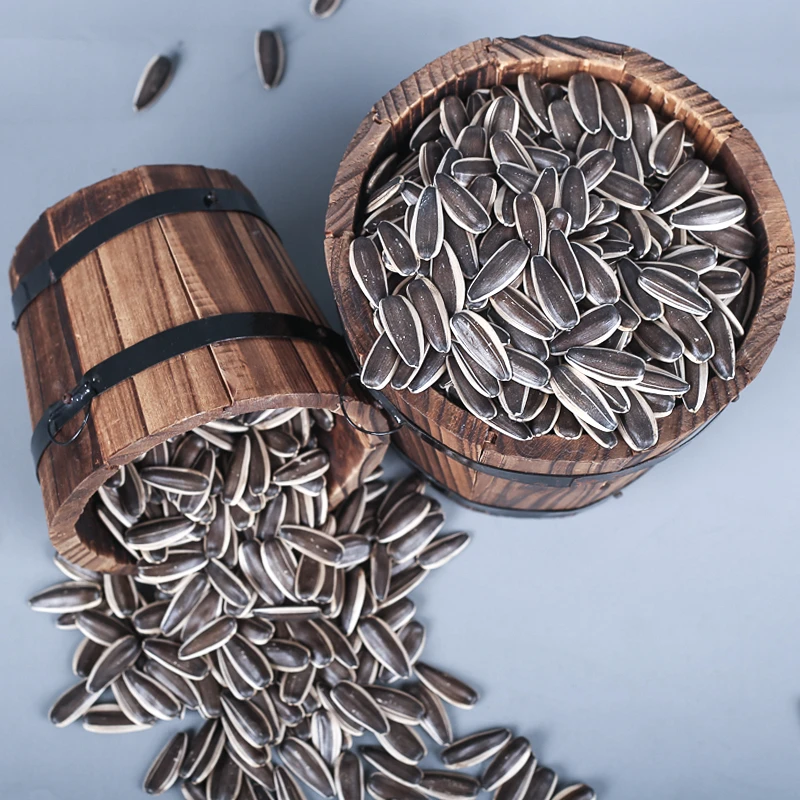
The primary raw material, sunflower seeds ( Helianthus annuus), exhibits compositional variations based on cultivar and growing conditions. The kernel comprises approximately 40-50% oil (primarily linoleic acid), 20-25% protein, 15-20% carbohydrates, and 5-10% moisture. Seed shell composition is largely cellulose and lignin. Processing begins with cleaning and grading to remove foreign matter. Dehulling, a critical step, requires precise control to minimize kernel damage, typically employing rubber or abrasive dehullers. The dehulled kernels are then dried, usually via continuous flow dryers utilizing controlled air temperature (50-70°C) and airflow to reach a moisture content of 7-8%. This is paramount for preventing microbial growth and lipid oxidation. Flavoring application employs tumbling or coating techniques. The five flavors typically involve a dry-blending process using powdered seasonings – salt, sugar, chili powder, barbecue flavor, and wasabi. The powder adhesion relies on a light oil coating (vegetable oil) applied prior to seasoning. Controlling oil quantity is vital; too little results in uneven coating, while too much causes clumping and rancidity. Precise control of drum speed, tumbling time, and seasoning addition rate are key process parameters. Quality control throughout the process relies heavily on moisture analysis (Karl Fischer titration), oil content determination (solvent extraction), and visual inspection for kernel damage and foreign materials.
Performance & Engineering
The mechanical integrity of the kernel is crucial to minimize breakage during processing and handling. Force analysis reveals that kernels exhibit brittle fracture behavior, influenced by moisture content and applied load. Lower moisture content increases brittleness. Packaging plays a significant role in protecting against environmental factors. The packaging material (typically multi-layer flexible film – PET/PE/Aluminum) must provide a robust oxygen and moisture barrier. Oxygen Transmission Rate (OTR) should be less than 10 cm³/m²/day, and Water Vapor Transmission Rate (WVTR) less than 3 g/m²/day. Engineering considerations include proper ventilation in drying systems to prevent localized overheating and ensure uniform moisture reduction. Flavor adherence is evaluated through shear testing – measuring the force required to remove the seasoning from the kernel surface. A minimum adhesion force of 0.5 N is generally required for acceptable product quality. Food safety compliance requires adherence to HACCP (Hazard Analysis and Critical Control Points) principles, with critical control points identified at dehulling, drying, flavoring, and packaging stages. Shelf-life studies, employing accelerated aging tests (elevated temperature and humidity), are essential to determine the expiration date based on peroxide value (PV) increases. A PV exceeding 10 meq/kg indicates significant rancidity.
Technical Specifications
| Parameter | Unit | Specification (Standard Flavor Mix) | Test Method |
|---|---|---|---|
| Moisture Content | % | 7.0 - 8.5 | Karl Fischer Titration (AOAC 986.25) |
| Oil Content | % | 45 - 55 | Soxhlet Extraction (AOAC 920.39) |
| Kernel Damage (Broken/Splits) | % | < 5 | Visual Inspection |
| Peroxide Value (PV) | meq/kg | < 5 (Initial), <10 (Shelf Life) | AOCS Cd 8-53 |
| Salt Content | % | 1.5 - 2.0 | Argentometric Titration |
| Flavor Adhesion | N | > 0.5 | Shear Test (Instron) |
Failure Mode & Maintenance
Common failure modes include lipid oxidation leading to rancidity (indicated by increased PV and off-flavors), kernel breakage during processing causing fines and dust, flavor loss during storage due to seasoning detachment, and microbial contamination due to insufficient drying or compromised packaging. Rancidity is mitigated by using antioxidants (e.g., BHA, BHT) in the oil coating, nitrogen flushing of packaging, and low-temperature storage. Kernel breakage is minimized through optimized dehulling parameters and gentle handling during processing. Flavor loss is addressed by utilizing a stronger oil coating and improved seasoning adhesion techniques. Microbial contamination is prevented by strict hygiene practices, proper drying, and hermetically sealed packaging. Preventative maintenance of processing equipment (dehuller, dryer, tumbler) is critical. This includes regular inspection and replacement of rubber components in dehullers, cleaning and calibration of temperature sensors in dryers, and lubrication of moving parts in tumblers. Regular cleaning of the entire production line is vital to prevent cross-contamination and maintain hygiene standards. Periodic microbiological testing of the production environment and finished product is also essential.
Industry FAQ
Q: What is the optimal moisture content for long-term storage of flavored sunflower seeds?
A: The optimal moisture content is between 7.0% and 8.5%. Below 7.0%, kernels become excessively brittle. Above 8.5%, the risk of microbial growth and accelerated lipid oxidation increases significantly. Consistent monitoring with Karl Fischer titration is crucial.
Q: How can we improve flavor adhesion to the sunflower seed kernels?
A: Improving flavor adhesion involves several factors. First, ensure a consistent and appropriate oil coating is applied before seasoning. Second, optimize tumbling time and speed for even seasoning distribution. Third, consider using a slightly sticky oil blend. Finally, the particle size of the seasoning blend impacts adhesion – finer particles generally adhere better.
Q: What are the key indicators of lipid oxidation in sunflower seeds?
A: The primary indicator is the Peroxide Value (PV), measured using the AOCS Cd 8-53 method. An increasing PV signifies the formation of hydroperoxides, the initial products of oxidation. Sensory evaluation (off-flavors) and gas chromatography analysis of volatile oxidation products are also used.
Q: What type of packaging material provides the best barrier properties for extending shelf life?
A: A multi-layer flexible film consisting of PET (Polyethylene Terephthalate) for strength, PE (Polyethylene) for sealability, and Aluminum foil for oxygen and moisture barrier is generally recommended. Ensure the OTR is less than 10 cm³/m²/day and the WVTR is less than 3 g/m²/day.
Q: What preventative maintenance should be performed on the dehulling equipment?
A: Regular inspection and replacement of the rubber components (strippers, rollers) in the dehuller are critical. Lubrication of moving parts and removal of seed shell debris are also essential. Monitoring the dehulling efficiency (percentage of kernels successfully dehulled) provides an indicator of equipment performance.
Conclusion
The manufacturing of five-flavored sunflower seeds is a complex process requiring precise control over material science, engineering parameters, and quality assurance protocols. Maintaining kernel integrity during dehulling and drying, optimizing flavor adhesion, and preventing lipid oxidation are paramount to producing a high-quality, shelf-stable product. Adherence to food safety regulations (HACCP) and meticulous monitoring of key parameters (moisture content, oil content, peroxide value) are indispensable for ensuring consumer safety and product consistency.
Future development within the industry will likely focus on enhancing flavor encapsulation techniques to improve flavor retention, exploring novel antioxidant blends to extend shelf life, and implementing automated quality control systems for real-time process monitoring. Sustainable sourcing of sunflower seeds and environmentally friendly packaging materials will also become increasingly important considerations.
