
Introduction
Sunflower seeds, a globally consumed snack, undergo significant processing and flavoring to achieve commercial viability, particularly in the ‘five flavors’ segment. This technical guide details the production of five flavors sunflower seeds, covering material science, manufacturing processes, performance characteristics, potential failure modes, and relevant industry standards. The core performance criteria for this product center around seed integrity (minimizing broken kernels), consistent flavor coating adherence, acceptable moisture content for shelf-life stability, and absence of foreign material. This document is targeted towards procurement managers, food processing engineers, and quality assurance professionals in the snack food industry, addressing common pain points such as flavor consistency, shelf-life predictability, and regulatory compliance.
Material Science & Manufacturing
The primary raw material, sunflower kernels, exhibits inherent variability in oil content (36-58%), protein composition (18-25%), and moisture content (8-12%). These variables directly impact flavor adhesion and frying/roasting uniformity. Kernels are sourced based on size (screened into defined grades) and initial moisture levels. Flavor coating formulations typically comprise a base of sucrose, dextrose, salt, flavor oils (garlic, chili, BBQ, etc.), and potentially hydrolyzed vegetable protein for umami enhancement. Coating adhesion is crucial. Manufacturing begins with cleaning and dehulling the sunflower seeds. Subsequent steps include size grading, blanching (brief steam treatment to remove residual hull fragments), and drying to a target moisture content of 2-4% for optimal frying. Flavoring is applied through a rotating drum coater, where a liquid flavor slurry is sprayed onto the tumbling seeds. Multiple coating passes are utilized to achieve the desired flavor intensity. A final drying stage reduces surface moisture, preventing clumping and enhancing coating durability. Critical parameters include slurry viscosity (controlled by sugar concentration), drum rotational speed (affecting coating uniformity), and drying temperature (influencing flavor retention). Improper control leads to inconsistent flavor distribution and potential coating cracking. The seeds are then cooled and packaged in moisture-barrier films to maintain freshness.
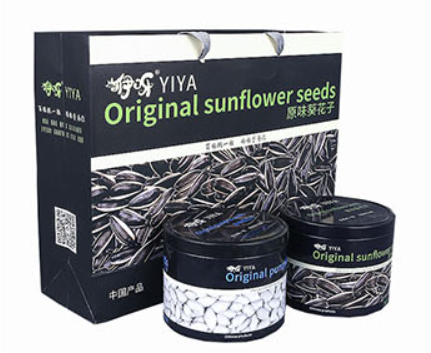
Performance & Engineering
Performance characteristics are dictated by the interplay between the seed’s physical properties and the coating’s adhesive strength. Force analysis reveals that the coating must withstand handling during packaging, transport, and consumer consumption without significant flaking. Environmental resistance is primarily focused on moisture control. High humidity leads to coating softening and potential microbial growth. Packaging materials with low Oxygen Transmission Rate (OTR) and Water Vapor Transmission Rate (WVTR) are essential. Compliance requirements vary by region, necessitating adherence to food safety standards (e.g., HACCP) and labeling regulations (ingredient declaration, allergen information). The engineering challenge lies in scaling up production while maintaining consistent coating quality. Drum coater design impacts coating uniformity; advanced models employ dynamic slurry spray patterns and automated moisture monitoring. Furthermore, controlling the residence time of seeds in the dryer is vital to prevent overheating and flavor degradation. Analysis of variance (ANOVA) is commonly used to optimize these process parameters and minimize variability. Seed breakage rates are monitored throughout the process using automated optical inspection systems. Surface texture analysis (using a penetrometer) assesses coating hardness and adhesion strength. Shelf-life studies, conducted under controlled temperature and humidity conditions, determine the product’s stability over time.
Technical Specifications
| Parameter | Specification | Test Method | Acceptance Criteria |
|---|---|---|---|
| Moisture Content (Seed) | 2.0 - 4.0% | Oven Drying (AOAC) | ≤ 4.0% |
| Flavor Coating Weight Gain | 5.0 - 8.0% | Differential Weighing | Within Range |
| Broken Kernel Rate | ≤ 3.0% | Visual Inspection & Sizing | ≤ 3.0% |
| Salt Content | 1.5 - 2.5% | Titration (AgNO3) | Within Range |
| Water Activity (aw) | ≤ 0.65 | Water Activity Meter | ≤ 0.65 |
| OTR (Oxygen Transmission Rate) - Packaging | < 10 cc/m²/day | Gas Permeability Testing | < 10 cc/m²/day |
Failure Mode & Maintenance
Common failure modes include: coating cracking due to thermal stress during drying or transport; flavor fading caused by oxidation of flavor oils (especially chili flavors); softening or clumping of the coating due to moisture absorption; rancidity developing from lipid oxidation in the sunflower seeds; and foreign material contamination (e.g., shell fragments). Coating cracking is mitigated by optimizing drying parameters and utilizing plasticizers in the coating formulation. Flavor fading is addressed through the use of antioxidants (e.g., BHA, BHT) and nitrogen flushing of packaging to reduce oxygen exposure. Moisture ingress is prevented by utilizing high-barrier packaging materials and maintaining proper storage conditions (cool, dry place). Rancidity is controlled by monitoring seed oil quality and employing effective antioxidants. Equipment maintenance is critical. Rotating drum coaters require regular cleaning to prevent buildup of coating residue, which can affect coating uniformity. Driers must be inspected for proper airflow and temperature control. Automated inspection systems should be calibrated regularly to ensure accurate detection of broken kernels and foreign material. Preventive maintenance schedules should include lubrication of moving parts and replacement of worn components. Regular sensory evaluations are essential to detect subtle changes in flavor and texture.
Industry FAQ
Q: What are the key factors influencing coating adhesion to the sunflower seeds?
A: Coating adhesion is primarily affected by seed surface moisture content, coating viscosity, sugar concentration in the coating slurry, and the presence of any surface contaminants on the seeds. Proper blanching to remove hull fragments is crucial. Increasing sugar concentration generally improves adhesion, but can also lead to excessive tackiness.
Q: How can we minimize flavor loss during storage?
A: Minimizing flavor loss requires controlling oxygen exposure and moisture uptake. Utilizing high-barrier packaging materials (low OTR & WVTR), nitrogen flushing of packages, and storing the product in a cool, dry environment are all effective strategies. The addition of antioxidants to the flavor coating can also help prevent flavor degradation.
Q: What is the acceptable range for seed breakage during processing and packaging?
A: Industry standards generally target a broken kernel rate of ≤ 3.0%. Higher breakage rates can impact product appearance and texture, reducing consumer acceptance. Careful handling during processing, especially during de-hulling and drying, is essential.
Q: How do we ensure consistent flavor distribution across all batches?
A: Consistent flavor distribution relies on precise control of the coating process. This includes monitoring and maintaining consistent slurry viscosity, drum rotational speed, spray rate, and drying temperature. Statistical Process Control (SPC) charts can be used to track key parameters and identify potential deviations.
Q: What are the critical regulatory considerations for flavored sunflower seeds?
A: Critical regulations include food safety standards (HACCP), labeling requirements (ingredient declaration, allergen information), and adherence to maximum permissible levels for food additives (e.g., antioxidants, colorings). Regional regulations vary; compliance must be verified for each target market.
Conclusion
The production of high-quality five flavors sunflower seeds requires a comprehensive understanding of the interplay between material science, manufacturing engineering, and quality control. Maintaining optimal seed moisture content, precise control of the coating process, and robust packaging solutions are fundamental to achieving consistent flavor, extended shelf-life, and regulatory compliance. Addressing potential failure modes proactively through preventative maintenance and rigorous quality assurance testing is crucial for minimizing product defects and maintaining consumer confidence.
Future advancements in this field may involve the development of novel coating technologies, such as microencapsulation of flavor oils to enhance stability and improve flavor release. The implementation of advanced sensor technologies for real-time monitoring of process parameters, coupled with machine learning algorithms for predictive quality control, also holds significant potential for optimizing production efficiency and enhancing product quality. Continued research into sustainable packaging materials will further enhance the environmental profile of this popular snack food.
