Introduction
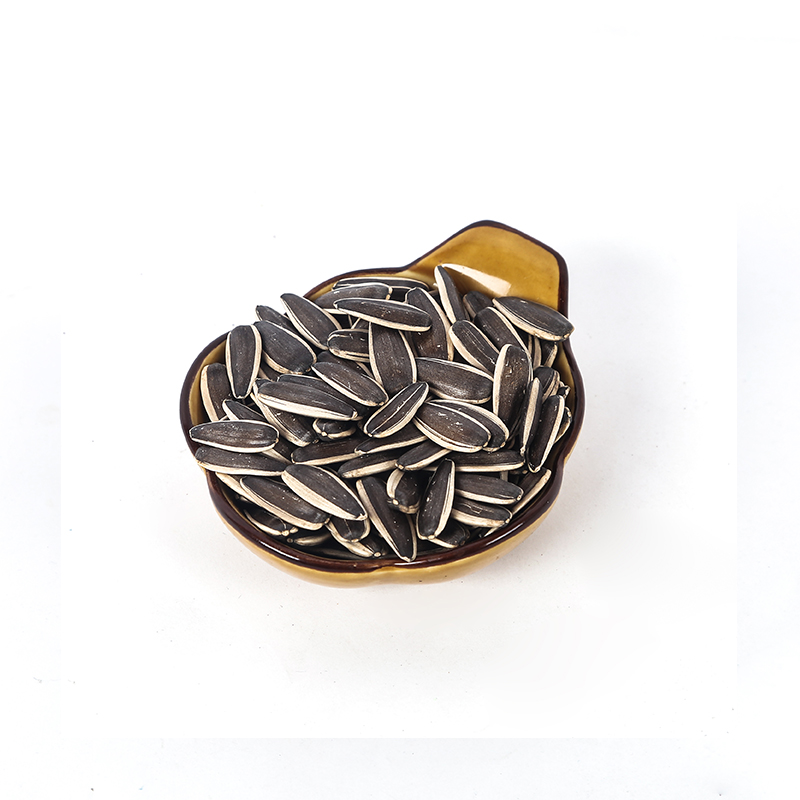
Sunflower seeds, a globally consumed snack food, undergo significant processing to achieve desired flavor profiles and palatability. Five-flavor sunflower seeds represent a complex category within this industry, involving precise control of seasoning application and roasting parameters. This technical guide details the intricacies of manufacturing these seeds, encompassing raw material characteristics, processing methodologies, quality control measures, potential failure modes, and relevant industry standards. The core performance characteristics focus on achieving a consistent flavor blend, optimal moisture content for shelf-life stability, and minimal seed damage during processing. The industry faces critical pain points relating to maintaining consistent flavor delivery across large production runs, preventing rancidity due to lipid oxidation, and adhering to stringent food safety regulations concerning seasoning additives and potential allergens. This guide aims to provide a comprehensive overview for procurement managers, process engineers, and quality assurance professionals within the sunflower seed manufacturing sector.
Material Science & Manufacturing
The primary raw material, sunflower seeds (Helianthus annuus), varies significantly in composition based on cultivar, growing conditions, and harvesting practices. Oil content, typically ranging from 42-58% by weight, is a key factor influencing flavor carry-through of seasonings. Protein content (20-25%) impacts texture and binding of seasonings. Moisture content, initially around 10-12% upon harvest, is critical and must be reduced to 6-8% for optimal shelf life. The five flavors commonly incorporated are typically salt (NaCl), sugar (sucrose), chili powder (Capsicum annuum), monosodium glutamate (MSG), and a proprietary blend of spices. MSG and spice blends require careful sourcing for purity and compliance with food additive regulations. Manufacturing begins with cleaning and de-hulling. De-hulling efficiency is paramount, as residual hulls negatively impact flavor adhesion and overall product appearance. Roasting is a critical step, employing either dry roasting or oil roasting. Dry roasting, typically conducted at 120-160°C for 15-20 minutes, develops characteristic flavor compounds through Maillard reactions and caramelization. Oil roasting, using vegetable oils like sunflower or soybean oil, requires precise temperature control (140-180°C) to prevent oil degradation and maintain a low peroxide value. The seasoning process utilizes tumbling or fluidized bed coating techniques. Seasoning adhesion is affected by seed surface moisture, seasoning particle size, and coating application rate. Precise control of these parameters is crucial for achieving uniform flavor distribution. Finally, seeds are cooled, sorted (to remove broken or discolored seeds), and packaged in moisture-barrier packaging.
Performance & Engineering
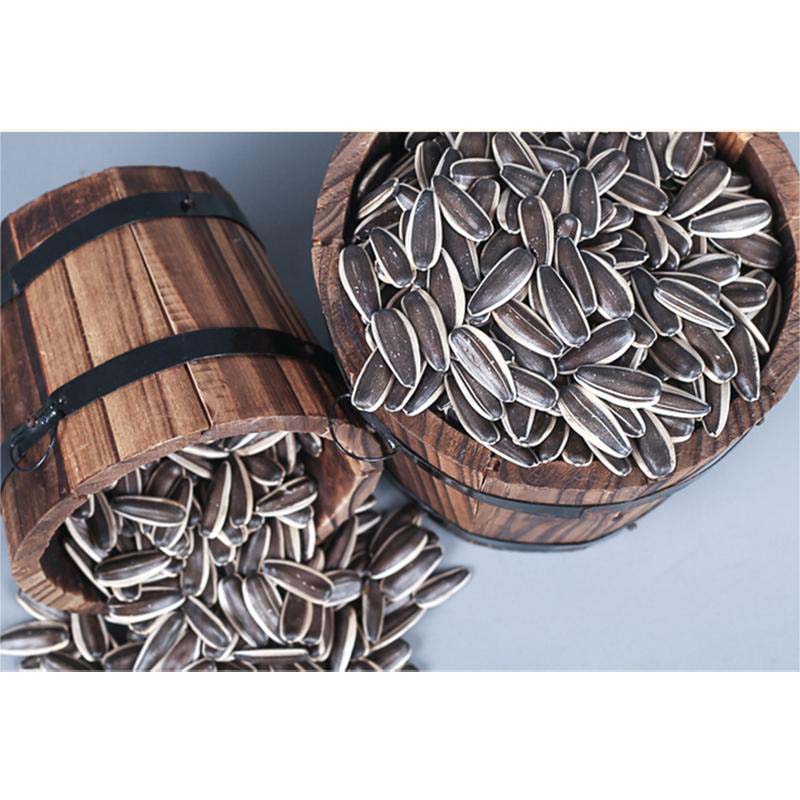
The mechanical strength of sunflower seed shells and kernels is an important consideration throughout processing. Impact forces during de-hulling and tumbling can cause breakage, resulting in increased waste and altered flavor perception. Finite Element Analysis (FEA) can be employed to optimize de-hulling machine parameters and minimize seed damage. Environmental resistance, specifically moisture ingress, is a primary concern for shelf-life stability. Water Activity (Aw) is a critical parameter, typically maintained below 0.6 to inhibit microbial growth and lipid oxidation. Packaging materials with low Oxygen Transmission Rates (OTR) and Water Vapor Transmission Rates (WVTR) are essential. Flavor adhesion strength is also crucial; a standardized adhesion test involving controlled shear force can quantify the effectiveness of the seasoning process. Compliance requirements include adherence to food safety standards (HACCP, GMP), allergen labeling regulations (FDA, EFSA), and permissible limits for seasoning additives (e.g., MSG, sodium content). Regulatory bodies often require detailed compositional analysis and documentation of sourcing and manufacturing processes. Furthermore, flavor stability during storage is assessed through sensory panels and gas chromatography-mass spectrometry (GC-MS) to monitor volatile compound changes indicative of rancidity or flavor degradation. Engineering designs must prioritize sanitation to prevent contamination from pathogens like Salmonella and Listeria monocytogenes.
Technical Specifications
| Parameter | Unit | Specification | Test Method |
|---|---|---|---|
| Moisture Content | % | 6.0 – 8.0 | Oven Drying (AOAC) |
| Oil Content | % | 45 – 55 | Soxhlet Extraction (AOAC) |
| Water Activity (Aw) | - | < 0.6 | Water Activity Meter |
| Salt Content (NaCl) | % | 1.5 – 2.5 | Argentometric Titration |
| Peroxide Value (Oil) | meq O2/kg | < 5 | Potentiometric Titration (AOCS) |
| Flavor Adhesion (Shear Force) | N | > 2.0 | Texture Analyzer |
Failure Mode & Maintenance
Common failure modes in five-flavor sunflower seed production include: Rancidity: Lipid oxidation, leading to off-flavors and odors. Prevented by minimizing exposure to oxygen, light, and heat during processing and storage, and using appropriate packaging. Flavor Bleeding: Uneven distribution or leaching of seasoning, resulting in inconsistent taste. Addressed through optimized seasoning application parameters and ensuring proper adhesion. Seed Breakage: Mechanical damage during de-hulling, roasting, or tumbling, causing increased waste and impacting product quality. Mitigated by optimizing machine settings and employing gentle handling techniques. Microbial Contamination: Growth of molds, yeasts, or bacteria, leading to spoilage and potential health risks. Prevented through strict sanitation procedures, temperature control, and proper packaging. Husk Contamination: Residual hulls affecting texture and flavor. Improved by optimizing de-hulling efficiency and employing effective sorting mechanisms. Maintenance involves regular cleaning and inspection of processing equipment (de-hullers, roasters, tumblers, packaging machines). Lubrication of moving parts is crucial to prevent wear and tear. Roaster temperature sensors should be calibrated regularly. Packaging seals should be inspected for integrity. Regular monitoring of oil quality (peroxide value) is essential to identify early signs of degradation. Preventative maintenance schedules, based on manufacturer recommendations and operational experience, are critical for maximizing equipment uptime and ensuring consistent product quality. Record keeping of maintenance activities and equipment performance is essential for continuous improvement.
Industry FAQ
Q: What is the optimal moisture content for maximizing shelf-life and preventing rancidity?
A: The optimal moisture content is between 6.0% and 8.0%. Lower moisture content minimizes water activity (Aw), inhibiting microbial growth and slowing down lipid oxidation, the primary cause of rancidity. Achieving this requires precise control during the drying/roasting phases and employing moisture-barrier packaging.
Q: How do you ensure consistent flavor distribution across large production batches?
A: Consistent flavor distribution is achieved through a combination of precise seasoning application rates, optimized tumbling/fluidized bed coating parameters, and uniform seed surface moisture. Regular monitoring of seasoning weights and adhesion strength (using a texture analyzer) is crucial for quality control.
Q: What are the critical considerations when selecting seasoning ingredients, particularly MSG and spice blends?
A: Seasoning ingredients must meet stringent purity standards and comply with food additive regulations (FDA, EFSA). Sourcing from reputable suppliers with documented quality control processes is essential. MSG should be food-grade and verified for absence of contaminants. Spice blends should be analyzed for microbial loads and heavy metals.
Q: What preventative measures can be taken to minimize seed breakage during processing?
A: Minimizing seed breakage involves optimizing machine settings (de-huller clearance, roasting temperature, tumbling speed), employing gentle handling techniques, and regular inspection of equipment for wear and tear. Careful control of impact forces and avoiding excessive vibration are also important.
Q: How does packaging contribute to product quality and shelf life?
A: Packaging plays a vital role in protecting the seeds from moisture, oxygen, and light, all of which contribute to quality degradation. Packaging materials with low OTR and WVTR are essential. Hermetically sealed packages maintain product freshness and extend shelf life. Consideration should also be given to package integrity during handling and transportation.
Conclusion
The manufacture of five-flavor sunflower seeds is a complex process requiring meticulous control over multiple parameters, from raw material sourcing to packaging. Achieving consistent product quality, maximizing shelf-life, and ensuring food safety necessitate a deep understanding of material science, processing engineering, and regulatory requirements. Maintaining optimal moisture content, ensuring uniform flavor adhesion, and preventing seed damage are crucial for success in this competitive market.
Future trends in the industry will likely focus on automation, advanced process control, and the development of novel packaging materials with enhanced barrier properties. Emphasis on sustainable sourcing of ingredients and environmentally friendly manufacturing practices will also become increasingly important. Continuous monitoring of key performance indicators and adherence to stringent quality control standards are essential for maintaining a competitive edge and meeting evolving consumer demands.
