Introduction
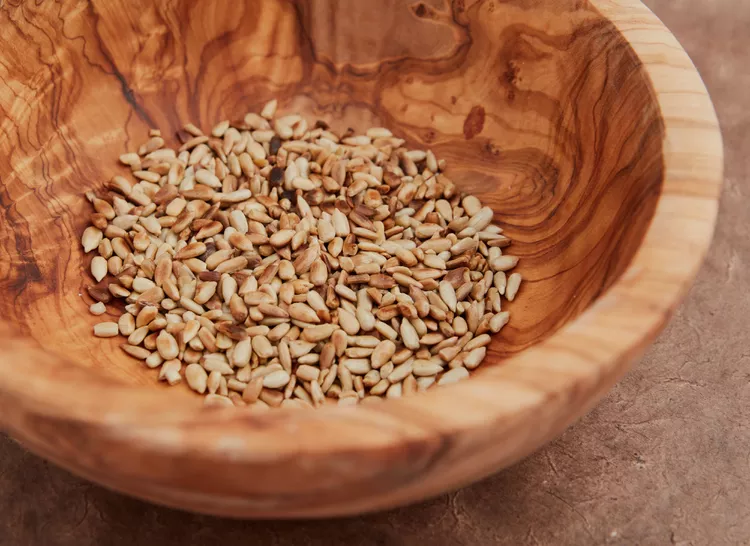
Five flavors sunflower seeds represent a significant segment of the snack food industry, characterized by the combination of sunflower seeds with savory, sweet, and spicy coatings. These seeds, Helianthus annuus, are processed through a complex series of steps, from seed selection and cleaning to roasting, flavoring, and packaging. The technical position of these factories lies within the broader agricultural processing and food manufacturing chain. Core performance metrics revolve around seed quality (oil content, protein content, kernel size), coating adhesion, flavor consistency, and shelf-life stability. Ensuring food safety, adhering to stringent hygiene standards, and optimizing production efficiency are critical pain points for manufacturers. The variability in sunflower seed quality due to agricultural conditions necessitates robust quality control measures and adaptable processing parameters. Maintaining consistent flavor profiles across batches, while meeting increasingly complex regulatory requirements, present ongoing challenges. This guide provides a comprehensive technical overview of the processes, materials, and engineering considerations involved in the production of five flavors sunflower seeds.
Material Science & Manufacturing
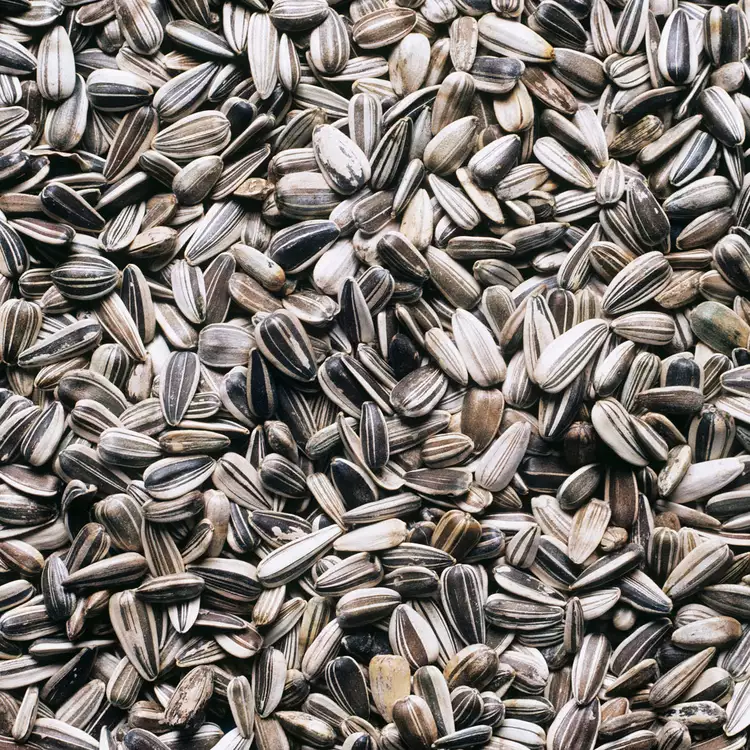
The core raw material, sunflower seeds, exhibits variations in oil content (36-58%), protein content (20-25%), and moisture content (8-12%). These parameters influence roasting behavior and coating adhesion. The five flavoring components commonly used—typically salt, sugar, chili powder, soy sauce powder, and monosodium glutamate (MSG)—introduce diverse chemical properties. Sodium chloride imparts salinity and acts as a preservative; sucrose provides sweetness; capsaicin in chili powder delivers pungency; soy sauce powder contributes umami flavors through glutamates; and MSG enhances overall flavor perception. Manufacturing begins with seed cleaning and dehulling. Roasting, typically conducted at 120-150°C, reduces moisture content and develops flavor. Coating application employs techniques such as tumbling or fluidized bed coating, ensuring uniform distribution. Key parameter control includes roasting temperature and duration, coating solution viscosity, and drying rate. Coating adhesion is critical and is influenced by seed surface roughness, coating composition, and drying conditions. The choice of binding agents within the coating (e.g., modified starch, maltodextrin) is crucial for long-term adhesion. Quality control at each stage is essential to mitigate the risk of rancidity (due to lipid oxidation) and microbial growth.
Performance & Engineering
Performance evaluation focuses on coating adhesion strength, flavor retention, and shelf-life stability. Coating adhesion is assessed using tensile testing and peel tests, quantifying the force required to remove the coating. Flavor retention is evaluated through sensory analysis and gas chromatography-mass spectrometry (GC-MS) to monitor volatile flavor compound concentrations over time. Shelf-life studies, conducted under controlled temperature and humidity conditions, determine the rate of oxidation and flavor degradation. Environmental resistance is critical, particularly protection against moisture ingress, which promotes microbial growth and caking. Packaging materials play a vital role in maintaining barrier properties and preventing oxidation. Force analysis relates to the stresses experienced during processing – the impact forces during tumbling, the shear forces during coating application, and the compressive forces during packaging. Compliance requirements include adherence to food safety regulations (e.g., HACCP, GMP), labeling requirements (nutritional information, allergen declarations), and packaging regulations (migration limits for packaging materials). Functional implementation involves maintaining consistent coating weights and flavor ratios to deliver a standardized product.
Technical Specifications
| Seed Moisture Content (%) | Coating Weight Ratio (Seed Weight:Coating Weight) | Salt Content (%) | Peroxide Value (meq O2/kg) – Fresh | Peroxide Value (meq O2/kg) – 6 Months Stored | Water Activity (Aw) |
|---|---|---|---|---|---|
| 8-10 | 1:0.15 - 1:0.25 | 1.5-2.5 | < 5 | <10 | 0.65-0.75 |
| 10-12 (prior to roasting) | 1:0.1 - 1:0.2 | 1.0-2.0 | < 4 | <8 | 0.60-0.70 |
| 5-7 (after roasting) | 1:0.18-1:0.28 | 1.8-2.8 | < 6 | <12 | 0.68-0.78 |
| 9-11 | 1:0.12 - 1:0.22 | 1.2-2.2 | < 5 | <10 | 0.63-0.73 |
| 6-8 | 1:0.20-1:0.30 | 2.0-3.0 | < 7 | <14 | 0.70-0.80 |
| 7-9 | 1:0.16-1:0.26 | 1.6-2.6 | < 5 | <10 | 0.67-0.77 |
Failure Mode & Maintenance
Common failure modes include coating delamination, flavor fading, rancidity, and microbial contamination. Coating delamination is often caused by insufficient adhesion due to inadequate seed surface preparation, improper coating viscosity, or rapid drying. Flavor fading results from the loss of volatile flavor compounds through oxidation or diffusion. Rancidity is a consequence of lipid oxidation, accelerated by exposure to oxygen, light, and elevated temperatures. Microbial contamination can occur due to inadequate hygiene practices or compromised packaging. Preventative maintenance of processing equipment (roasters, coaters, packaging machines) is crucial. Regular cleaning and inspection of equipment minimize the risk of contamination and ensure optimal performance. Storage of raw materials and finished products under controlled temperature and humidity conditions is essential to extend shelf life and prevent degradation. Implementing a robust quality control program, including regular testing for moisture content, peroxide value, and microbial load, is vital for identifying and addressing potential issues. Proper sanitation procedures and employee training on hygiene practices are also critical components of a comprehensive maintenance strategy. Failure analysis of defective batches should involve root cause identification to prevent recurrence.
Industry FAQ
Q: What is the optimal moisture content of sunflower seeds prior to coating application and why is it crucial?
A: The optimal moisture content prior to coating application is generally between 5-7%. Lower moisture content increases the seed surface’s ability to accept and bind the coating materials. Excessive moisture can lead to coating sloughing off, uneven distribution, and increased susceptibility to microbial growth during storage. Precise control requires careful monitoring and adjustment of the roasting process.
Q: How does the oil content of the sunflower seeds affect the rate of rancidity, and what mitigation strategies can be employed?
A: Higher oil content directly correlates with a faster rate of rancidity. The unsaturated fatty acids in sunflower seed oil are prone to oxidation. Mitigation strategies include using antioxidant additives (e.g., Vitamin E, BHA/BHT – within regulatory limits), nitrogen flushing of packaging to reduce oxygen levels, and utilizing oxygen-barrier packaging materials (e.g., metallized films). Proper storage temperature control is also essential.
Q: What are the key considerations for selecting a packaging material to maximize shelf life and maintain flavor integrity?
A: Key considerations include oxygen permeability (OTR), water vapor transmission rate (WVTR), and light barrier properties. Materials with low OTR and WVTR are preferred to prevent oxidation and moisture uptake. Metallized films or laminates incorporating aluminum foil provide excellent barrier properties. The material must also be food-grade and comply with relevant packaging regulations.
Q: What is the significance of the Peroxide Value (PV) in assessing sunflower seed quality, and what levels are considered unacceptable?
A: The Peroxide Value (PV) is a measure of the primary oxidation products of lipids. It indicates the extent of rancidity development. A PV of <5 meq O2/kg is generally considered acceptable for fresh seeds. Values exceeding 10 meq O2/kg indicate significant oxidation and compromised quality. Regular PV monitoring is crucial for quality control.
Q: How can coating adhesion be quantitatively assessed, and what factors typically contribute to poor adhesion?
A: Coating adhesion can be quantitatively assessed using tensile testing, peel tests, or impact resistance testing. These methods measure the force required to separate the coating from the seed. Factors contributing to poor adhesion include inadequate seed surface preparation (e.g., dust or oil residues), improper coating viscosity, insufficient drying time, and incompatibility between coating components and the seed surface.
Conclusion
The production of five flavors sunflower seeds demands a nuanced understanding of material science, process engineering, and quality control. Achieving consistent product quality and extended shelf life requires careful control over raw material characteristics, precise optimization of roasting and coating processes, and the implementation of robust packaging strategies. Addressing the inherent challenges associated with lipid oxidation and maintaining flavor integrity necessitates a proactive approach to preventative maintenance and continuous monitoring of key quality parameters.
Future advancements in this field are likely to focus on the development of novel coating formulations with enhanced adhesion and barrier properties, the implementation of advanced process control systems to optimize roasting and coating parameters, and the exploration of sustainable packaging materials. Furthermore, the integration of data analytics and machine learning can enable predictive maintenance and proactive quality control, ultimately leading to improved efficiency and reduced waste within five flavors sunflower seeds factories.
