Introduction
Sunflower seeds, a product increasingly sourced globally, present a complex nutritional profile requiring precise carbohydrate quantification for food manufacturers, nutritionists, and consumers. This technical guide addresses the compositional intricacies of sunflower seeds, focusing on carbohydrate content, its implications for industrial processing, and the analytical methods employed for accurate determination. The industry faces challenges in consistent carbohydrate reporting due to variations in seed variety, growing conditions, and post-harvest processing. We’ll explore these factors and detail relevant quality control parameters. Understanding the carbohydrate component is crucial not only for nutritional labeling compliance but also for optimizing processes like oil extraction and hulling, impacting yield and product consistency. This guide will provide a detailed technical overview for procurement managers, quality control personnel, and formulation scientists in the food and beverage industries.
Material Science & Manufacturing
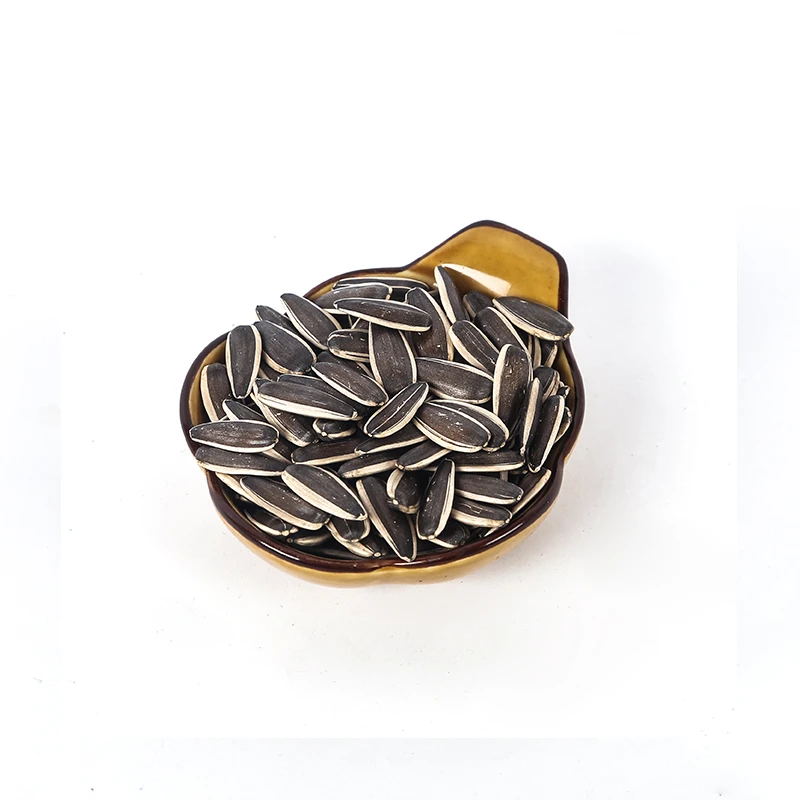
Sunflower seeds ( Helianthus annuus) are composed of approximately 20-40% carbohydrate, primarily existing as non-starch polysaccharides (NSP) like cellulose, hemicellulose, and pectin within the hull (seed coat). The kernel itself contains a smaller proportion of simple sugars (glucose, fructose, sucrose) and complex carbohydrates. Raw material variability significantly impacts carbohydrate profiles; hybrid varieties bred for oil content typically have a lower hull proportion, resulting in reduced total carbohydrate levels. Manufacturing begins with harvesting, drying to approximately 8-10% moisture content to prevent fungal growth, and cleaning to remove debris. Decortication (hull removal) is a critical step; incomplete decortication increases the NSP content. Further processing involves size grading and often heat treatment (roasting, steaming) to enhance flavor and improve digestibility. The thermal processing introduces Maillard reaction products, subtly altering the carbohydrate composition. Quality control during drying is paramount to minimize caramelization of sugars, which changes analytical readings. The physical properties of the hull – tensile strength, fracture toughness – determine the efficiency of decortication and impact the residual carbohydrate content. Chemical compatibility of the seed with processing equipment materials (stainless steel, polymers) must be considered to avoid leaching or contamination affecting carbohydrate analysis.
Performance & Engineering
The carbohydrate content directly influences several key performance parameters in sunflower seed processing. In oil extraction, NSP present in incompletely decorticated seeds increases viscosity, reducing oil yield and necessitating higher energy input for separation. Force analysis during hulling demonstrates that increased hull rigidity (correlated with higher carbohydrate content) requires greater compressive force, potentially leading to kernel damage. Environmental resistance, specifically moisture absorption, is also impacted by carbohydrate composition; NSP are hygroscopic, and higher NSP content leads to increased susceptibility to microbial growth during storage. Compliance with labeling regulations (FDA, EFSA) demands accurate carbohydrate quantification, including total carbohydrates, dietary fiber, and sugars. This necessitates validated analytical methodologies. Furthermore, the carbohydrate profile influences the textural properties of sunflower seed-derived products (e.g., sunflower seed flour, snack foods), impacting consumer acceptability. Engineering considerations include optimizing decortication parameters (impact force, feed rate) to minimize carbohydrate retention while preserving kernel integrity. The design of drying systems must balance energy efficiency with the need to prevent sugar degradation.
Technical Specifications
| Parameter | Unit | Typical Range (Kernel) | Typical Range (Whole Seed) |
|---|---|---|---|
| Total Carbohydrate | % (w/w) | 10-20 | 20-40 |
| Dietary Fiber | % (w/w) | 5-10 | 10-20 |
| Sugars (Total) | % (w/w) | 1-3 | 2-5 |
| Starch | % (w/w) | <1 | <2 |
| Non-Starch Polysaccharides (NSP) | % (w/w) | 8-15 | 15-30 |
| Moisture Content | % (w/w) | 5-7 | 8-10 |
Failure Mode & Maintenance
Failure modes related to carbohydrate content in sunflower seed processing primarily stem from inadequate control of the carbohydrate profile. Degradation of carbohydrates during prolonged storage can lead to rancidity due to increased free fatty acid formation facilitated by enzymatic activity. Fatigue cracking in processing equipment can occur from abrasive wear caused by residual hull fragments with high NSP content. Delamination of coatings applied to sunflower seeds (e.g., seasonings) can result from insufficient adhesion due to the hydrophobic nature of NSP. Oxidation of sugars during improper drying leads to discoloration and off-flavors. Maintenance strategies include regular cleaning of processing equipment to remove accumulated hull debris, implementing robust quality control protocols to monitor moisture content and carbohydrate levels, and optimizing drying parameters to minimize sugar degradation. Periodic inspection of decortication machinery for wear and tear is crucial. Preventive maintenance should also include calibration of analytical instruments used for carbohydrate quantification to ensure accurate and reliable data. Proper storage conditions – cool, dry, and dark – are essential to minimize carbohydrate degradation.
Industry FAQ
Q: What is the impact of different sunflower seed varieties on carbohydrate content?
A: Oil-type varieties generally have lower carbohydrate content due to reduced hull percentage. Conversely, confectionery varieties with larger kernels and thicker hulls exhibit higher total carbohydrate levels. The genetic selection for specific traits directly influences the carbohydrate profile, making variety identification critical for consistent formulation.
Q: How does the decortication process affect the accuracy of carbohydrate analysis?
A: Incomplete decortication significantly increases the NSP content, leading to erroneously high carbohydrate readings. Accurate analysis requires complete hull removal or correction factors to account for residual hull material. Utilizing validated analytical methods specifically designed for decorticated kernels is essential.
Q: What analytical methods are preferred for quantifying carbohydrates in sunflower seeds?
A: The AOAC Official Method 982.18 (Total Carbohydrate) and enzymatic-gravimetric methods are commonly used. High-Performance Liquid Chromatography (HPLC) is employed for sugar profiling. Gas Chromatography-Mass Spectrometry (GC-MS) can identify and quantify specific carbohydrate derivatives formed during processing.
Q: How does moisture content influence carbohydrate analysis results?
A: Moisture content directly impacts the weight-based calculation of carbohydrates. Accurate determination of moisture content is paramount. Samples must be dried to a constant weight before analysis. Deviations in moisture content can lead to significant errors in carbohydrate quantification.
Q: What are the regulatory requirements for carbohydrate labeling of sunflower seed-containing products?
A: Regulations vary by country (FDA in the US, EFSA in Europe). Generally, labeling requires the declaration of total carbohydrates, dietary fiber, sugars, and any added sugars. Compliance necessitates accurate carbohydrate analysis using validated methods and adherence to specific rounding rules.
Conclusion
The carbohydrate composition of sunflower seeds is a critical parameter influencing processing efficiency, product quality, and nutritional labeling accuracy. Variations in seed variety, manufacturing processes, and analytical methodologies contribute to the complexity of carbohydrate quantification. A thorough understanding of the underlying material science, coupled with stringent quality control measures and validated analytical techniques, is essential for ensuring consistent product quality and regulatory compliance.
Future research should focus on developing more rapid and accurate methods for characterizing NSP content and investigating the impact of novel processing techniques on carbohydrate modification. The standardization of analytical protocols and the establishment of industry benchmarks for carbohydrate profiles will further enhance quality control and facilitate trade. Continued innovation in sunflower seed breeding programs targeted at optimizing carbohydrate content will be crucial for meeting evolving market demands.
