Introduction
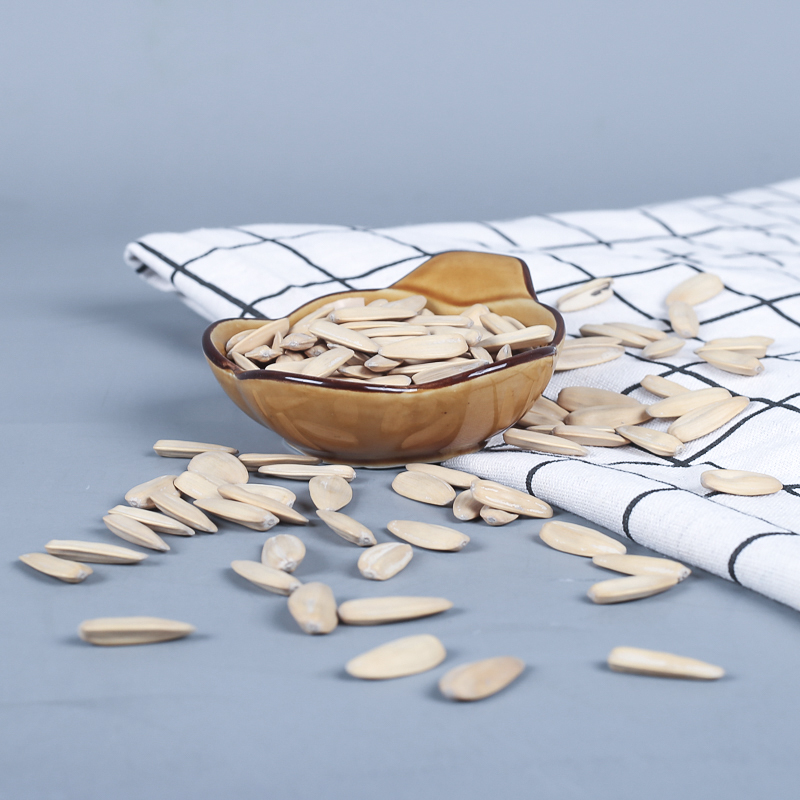
Sunflower seeds, the fruit of the Helianthus annuus plant, are a globally consumed food product valued for their nutritional content and versatility. This technical guide details the carbohydrate profile of sunflower seeds, encompassing monosaccharide, disaccharide, and polysaccharide composition. It will examine processing impacts on carbohydrate availability, glycemic index considerations, and the seeds' position within the broader human and animal nutrition supply chains. From a manufacturing perspective, understanding carbohydrate content is crucial for optimizing seed processing parameters – shelling, dehulling, roasting, and oil extraction – to minimize carbohydrate degradation and maximize product quality. This guide addresses common industrial concerns regarding seed storage stability, potential for acrylamide formation during roasting, and the influence of different cultivars on carbohydrate characteristics. The discussion will consider both oil-type and confectionary-type sunflower seeds, recognizing differing applications and resulting carbohydrate profiles.
Material Science & Manufacturing
Sunflower seeds primarily consist of carbohydrates (approximately 20-30% by dry weight), fats (40-60%), proteins (15-25%), and fiber (5-10%). The dominant carbohydrates present are non-starch polysaccharides (NSPs), primarily cellulose, hemicellulose, and pectin, constituting the structural components of the seed coat and kernel. Monosaccharides like glucose and fructose are present in smaller amounts, along with disaccharides such as sucrose. Starch content is relatively low, typically below 5%, and is localized within the endosperm.
The manufacturing process significantly impacts carbohydrate composition. Shelling and dehulling operations physically remove the carbohydrate-rich seed coat, lowering total carbohydrate content but increasing the proportion of digestible carbohydrates in the kernel. Roasting, a common processing step, induces Maillard reactions between reducing sugars (glucose, fructose) and amino acids, influencing flavor development and potentially generating acrylamide. Temperature control is critical during roasting, with higher temperatures (above 140°C) increasing acrylamide formation. The moisture content of the seeds prior to roasting also plays a crucial role; lower moisture content generally leads to increased acrylamide levels. Oil extraction, typically performed via mechanical pressing or solvent extraction (hexane), primarily removes lipids but can also affect carbohydrate structure, leading to minor carbohydrate losses in the byproducts (seed cake). Seed storage conditions (temperature, humidity, oxygen exposure) influence carbohydrate degradation through enzymatic and non-enzymatic reactions, potentially leading to changes in seed quality and flavor. Cultivar selection also impacts carbohydrate profile, with variations in seed coat thickness, NSPs composition, and starch content influencing the final product characteristics.
Performance & Engineering
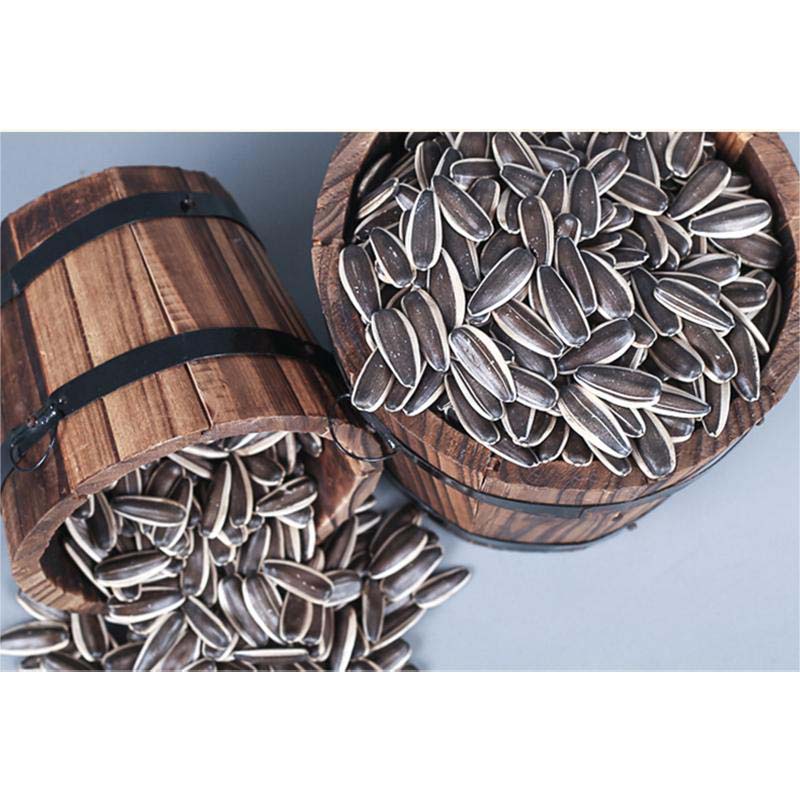
From an engineering standpoint, understanding the carbohydrate content impacts process optimization. The shear strength of the seed coat, largely determined by NSPs composition, affects dehulling efficiency. Higher NSPs content necessitates greater mechanical force for effective dehulling, potentially leading to kernel damage. During roasting, heat transfer characteristics are influenced by carbohydrate content; seeds with higher carbohydrate levels require adjusted roasting times and temperatures to achieve desired color and flavor without excessive acrylamide formation. The water activity (Aw) of sunflower seeds, directly related to carbohydrate content and moisture level, is a critical parameter for storage stability. Lower Aw values (below 0.6) inhibit microbial growth and enzymatic activity, extending shelf life. Mathematical modeling of heat and mass transfer during roasting is often employed to optimize process parameters based on carbohydrate profile and seed composition. The glycemic index (GI) and glycemic load (GL) of sunflower seeds are also important considerations. While the overall carbohydrate content isn’t exceptionally high, the types of carbohydrates and their digestibility influence their impact on blood glucose levels. This is particularly relevant for confectionary sunflower seeds consumed directly as a snack. Analysis of carbohydrate fractions using techniques like High-Performance Liquid Chromatography (HPLC) and enzymatic hydrolysis is critical for accurate GI/GL determination.
Technical Specifications
| Parameter | Oil-Type Sunflower Seeds (Typical) | Confectionary-Type Sunflower Seeds (Typical) | Units |
|---|---|---|---|
| Total Carbohydrates | 22 - 28 | 25 - 32 | % (Dry Weight) |
| Starch | 1 - 3 | 2 - 4 | % (Dry Weight) |
| Non-Starch Polysaccharides (NSPs) | 18 - 25 | 20 - 28 | % (Dry Weight) |
| Reducing Sugars (Glucose + Fructose) | 0.5 - 1.5 | 1.0 - 2.0 | % (Dry Weight) |
| Sucrose | 0.2 - 0.8 | 0.3 - 1.0 | % (Dry Weight) |
| Fiber | 6 - 9 | 7 - 10 | % (Dry Weight) |
Failure Mode & Maintenance
Carbohydrate-related failure modes in sunflower seeds primarily relate to storage stability and processing quality. Glycation, the non-enzymatic browning reaction between reducing sugars and proteins, can occur during long-term storage, leading to discoloration and flavor deterioration. This process is accelerated by elevated temperatures and moisture content. Lipid peroxidation, often exacerbated by carbohydrate oxidation products, contributes to rancidity and off-flavors. Acrylamide formation during roasting is a significant concern, as acrylamide is a potential human carcinogen. The concentration of acrylamide depends on roasting temperature, time, seed moisture content, and the availability of reducing sugars. Seed coat cracking and kernel damage during dehulling can be attributed to variations in NSPs composition and seed coat brittleness, influenced by storage conditions and carbohydrate degradation. Maintenance practices focus on controlling storage conditions (temperature <20°C, relative humidity <60%), minimizing exposure to oxygen, and implementing proper roasting protocols to reduce acrylamide formation. Regular monitoring of carbohydrate profiles using analytical techniques (HPLC, enzymatic assays) can provide early warning signs of degradation and inform process adjustments. Furthermore, utilizing cultivars with lower reducing sugar content and optimized seed coat structure can mitigate these failure modes.
Industry FAQ
Q: What is the primary carbohydrate concern during sunflower seed roasting?
A: The primary carbohydrate concern during roasting is the formation of acrylamide, a potentially harmful compound created through Maillard reactions between reducing sugars and amino acids. Controlling roasting temperature, time, and seed moisture content is crucial to minimizing acrylamide levels.
Q: How does the type of sunflower seed (oil-type vs. confectionary-type) impact carbohydrate considerations?
A: Confectionary-type sunflower seeds typically have a slightly higher total carbohydrate content, particularly in reducing sugars, compared to oil-type seeds. This impacts flavor development during roasting and necessitates stricter control of processing parameters to prevent excessive acrylamide formation. Glycemic index is also more relevant for confectionary seeds.
Q: What role does NSPs play in the manufacturing process?
A: Non-Starch Polysaccharides (NSPs) constitute the bulk of the carbohydrates in sunflower seeds. Their composition and content significantly influence the mechanical properties of the seed coat, impacting dehulling efficiency and kernel integrity. Higher NSPs content requires more mechanical force for dehulling.
Q: How can storage conditions affect the carbohydrate profile and quality of sunflower seeds?
A: Improper storage conditions (high temperature, humidity, oxygen exposure) accelerate carbohydrate degradation through glycation and oxidation, leading to discoloration, flavor deterioration, and rancidity. Maintaining low temperature and humidity is vital for preserving seed quality.
Q: What analytical methods are used to determine the carbohydrate composition of sunflower seeds?
A: High-Performance Liquid Chromatography (HPLC) is commonly used to quantify monosaccharides, disaccharides, and oligosaccharides. Enzymatic hydrolysis followed by sugar quantification is employed to determine total reducing sugars. Fiber content is typically determined using enzymatic-gravimetric methods.
Conclusion
The carbohydrate profile of sunflower seeds is a critical determinant of their nutritional value, processing behavior, and storage stability. Understanding the complex interplay between different carbohydrate fractions – starch, NSPs, and reducing sugars – is essential for optimizing manufacturing processes, minimizing undesirable reactions such as acrylamide formation, and ensuring product quality. Cultivar selection, processing parameter control, and storage condition management all play vital roles in maintaining the integrity of sunflower seed carbohydrates.
Future research should focus on developing novel processing techniques that minimize acrylamide formation without compromising flavor development, as well as breeding programs to develop cultivars with optimized carbohydrate profiles for specific applications. Improved analytical methods for characterizing NSPs composition will further enhance our understanding of their impact on processing efficiency and seed quality, ultimately contributing to a more sustainable and efficient sunflower seed industry.
