Introduction
Sunflower seeds, a globally consumed snack and ingredient, are subject to increasing scrutiny regarding their carbohydrate content, impacting formulation strategies across the food processing industry. This guide details the carbohydrate profile of sunflower seeds, factors affecting it, manufacturing considerations impacting carbohydrate stability, and relevant quality control parameters for manufacturers. The primary concern revolves around understanding available carbohydrate fractions—specifically, the balance between non-starch polysaccharides, oligosaccharides, and free sugars—and their implications for product labeling, glycemic response, and shelf life. This technical overview caters to manufacturers supplying ingredients to confectionery, bakery, snack food, and nutraceutical industries, offering insight into optimizing seed processing and carbohydrate management.
Material Science & Manufacturing
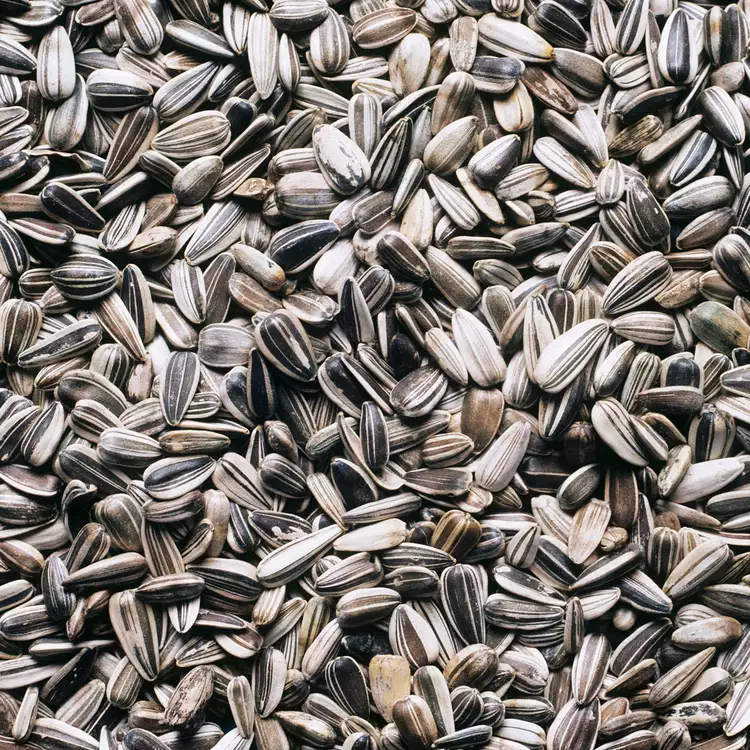
Sunflower seeds ( Helianthus annuus ) consist of approximately 20-30% carbohydrates, primarily located in the seed coat and kernel. The carbohydrate composition is complex, featuring non-starch polysaccharides (NSPs) like cellulose, hemicellulose, and pectin, representing a significant portion. Free sugars, including sucrose, glucose, and fructose, are present in smaller quantities. Starch content is typically low, generally less than 2%. Raw material variability significantly impacts the carbohydrate profile; seed variety, growing conditions (soil composition, climate, sunlight exposure), and maturity stage all play crucial roles. Manufacturing processes critically affect carbohydrate integrity. Dehulling, a common pre-processing step, removes a significant portion of NSPs, altering the final carbohydrate profile. Roasting, a primary processing method, induces Maillard reactions between reducing sugars and proteins, generating melanoidins. These reactions not only contribute to color and flavor but also modify the carbohydrate structure, potentially reducing digestibility and altering glycemic indices. Oil extraction, often employing mechanical pressing or solvent extraction, can affect carbohydrate content through co-extraction of soluble sugars. Parameter control during roasting (temperature, time, moisture content) is paramount. Higher temperatures and prolonged roasting times increase Maillard reaction products but can also lead to carbohydrate degradation and acrylamide formation, requiring stringent process monitoring and mitigation strategies. Drying processes post-extraction must be carefully calibrated to avoid sugar caramelization.
Performance & Engineering
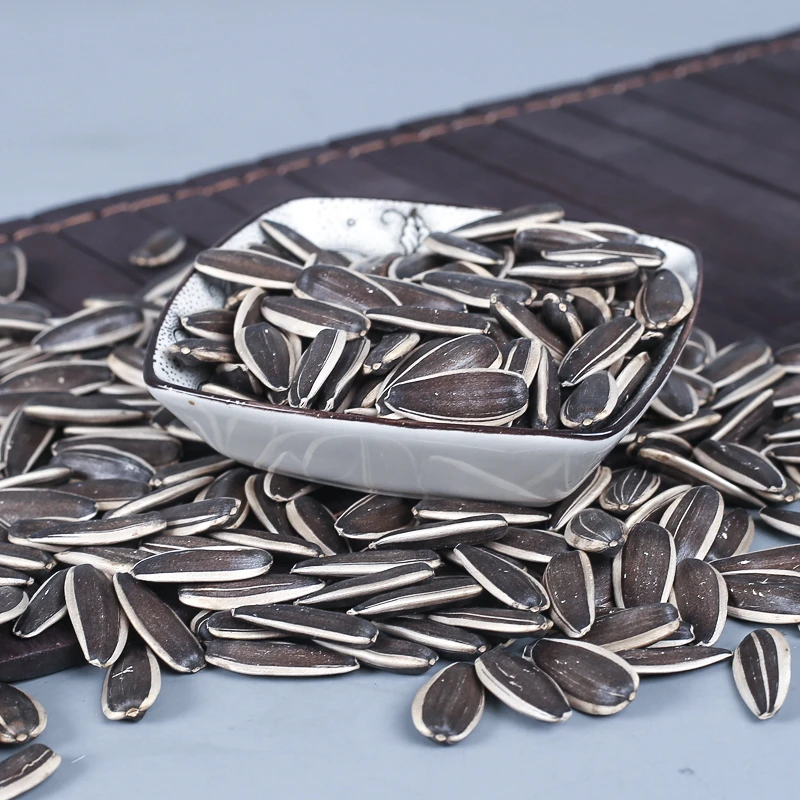
The carbohydrate profile directly influences several key performance metrics for sunflower seeds and products containing them. Water activity (Aw) is intricately linked to soluble sugar content; higher sugar concentrations lower Aw, impacting microbial stability and shelf life. However, exceeding optimal sugar levels can lead to undesirable texture changes (stickiness, hygroscopicity). Mechanical strength and textural properties, critical in snack food applications, are affected by the NSPs. Cellulose and hemicellulose contribute to seed coat rigidity and kernel integrity. Processing (roasting, extrusion) alters these structural components, leading to changes in hardness, brittleness, and crunchiness. Glycemic Index (GI) and Glycemic Load (GL), increasingly important for health-conscious consumers, are directly determined by the quantity and type of available carbohydrates. Manufacturers must accurately assess GI/GL, employing validated in vitro or in vivo methods. Furthermore, carbohydrate degradation products, such as hydroxymethylfurfural (HMF) formed during heat processing, pose potential health risks and must be monitored to ensure compliance with regulatory limits. Compliance with food labeling regulations (e.g., FDA, EFSA) necessitates precise carbohydrate quantification and categorization (total carbohydrates, dietary fiber, sugars, sugar alcohols).
Technical Specifications
| Parameter | Unit | Typical Range (Whole Seeds) | Typical Range (Dehulled Kernels) |
|---|---|---|---|
| Total Carbohydrates | % (Dry Weight) | 20-30 | 25-35 |
| Dietary Fiber (NSPs) | % (Dry Weight) | 10-15 | 2-5 |
| Total Sugars | % (Dry Weight) | 1-3 | 3-6 |
| Sucrose | % (Dry Weight) | 0.5-1.5 | 1.5-3.0 |
| Glucose/Fructose | % (Dry Weight) | 0.2-0.8 | 0.5-1.5 |
| Water Activity (Aw) | - | 0.60-0.75 | 0.55-0.70 |
Failure Mode & Maintenance
Carbohydrate-related failures in sunflower seeds manifest in several forms. Hygroscopicity – excessive moisture absorption due to high sugar content – leads to clumping, reduced flowability, and microbial spoilage. This is particularly problematic in powdered or finely milled sunflower seed products. Rancidity – while primarily lipid-driven, carbohydrate oxidation products can accelerate lipid degradation, compounding off-flavor development. Color changes – excessive Maillard reaction or caramelization resulting in dark, burnt discoloration, indicating overheating or improper storage. Texture degradation – loss of crispness or development of a gummy texture due to NSP breakdown or sugar crystallization. Acrylamide formation – a carcinogenic compound generated during high-temperature processing, exceeding regulatory limits poses a significant safety risk. Maintenance involves stringent process control: optimizing roasting parameters (temperature, time, humidity), implementing effective drying techniques, employing appropriate packaging materials with low oxygen transmission rates (OTR) and low water vapor transmission rates (WVTR), and conducting regular carbohydrate profile analysis. Proper storage conditions (cool, dry, dark) are crucial to minimize degradation. Implementing a robust HACCP plan incorporating critical control points (CCPs) for carbohydrate management is essential.
Industry FAQ
Q: What is the impact of dehulling on the overall carbohydrate content and composition?
A: Dehulling significantly reduces the overall carbohydrate content, particularly the insoluble fiber fraction (cellulose, hemicellulose) concentrated in the seed coat. Dehulled kernels have a higher relative percentage of soluble sugars and readily available carbohydrates compared to whole seeds. However, it also changes the texture and processing characteristics.
Q: How does roasting temperature affect acrylamide formation in sunflower seeds?
A: Higher roasting temperatures and prolonged roasting times exponentially increase acrylamide formation. Acrylamide is formed through a reaction between reducing sugars (like glucose and fructose) and asparagine, an amino acid. Careful control of roasting parameters and potentially the use of asparaginase enzymes can mitigate acrylamide formation.
Q: What analytical methods are recommended for accurately quantifying the carbohydrate profile of sunflower seeds?
A: Gas Chromatography-Mass Spectrometry (GC-MS) and High-Performance Liquid Chromatography (HPLC) are commonly used to quantify individual sugars. Total carbohydrate content is often determined by difference (100% - %Moisture - %Protein - %Fat - %Ash). Dietary fiber is typically analyzed using enzymatic-gravimetric methods (AOAC 991.43).
Q: How can manufacturers mitigate the risk of hygroscopicity in sunflower seed products?
A: Minimizing residual sugar content through optimized processing (e.g., controlled roasting) and employing moisture-barrier packaging materials (e.g., metallized films, high-density polyethylene) are crucial. Storing products in low-humidity environments is also essential.
Q: Are there specific regulations regarding carbohydrate labeling for sunflower seed products in the US and EU?
A: Yes. In the US, the FDA requires listing of “Total Carbohydrate”, “Dietary Fiber”, “Total Sugars”, and "Added Sugars" on the Nutrition Facts label. In the EU, regulations require similar information, with emphasis on distinguishing between total sugars and sugars added during processing. Manufacturers must adhere to these regulations to avoid non-compliance.
Conclusion
Accurate carbohydrate characterization and process control are paramount for sunflower seed manufacturers. Understanding the interplay between raw material variability, processing parameters, and carbohydrate composition is essential for producing consistent, high-quality products that meet consumer demands and regulatory requirements. Optimizing roasting, drying, and packaging processes to minimize degradation, control water activity, and maintain desired textural properties is crucial for maximizing shelf life and ensuring product safety.
Future advancements in analytical techniques and processing technologies will enable even more precise carbohydrate management, leading to the development of sunflower seed products with tailored nutritional profiles and improved functionality. Continued research into Maillard reaction pathways and acrylamide mitigation strategies will further enhance product quality and safety within the industry.
