Introduction
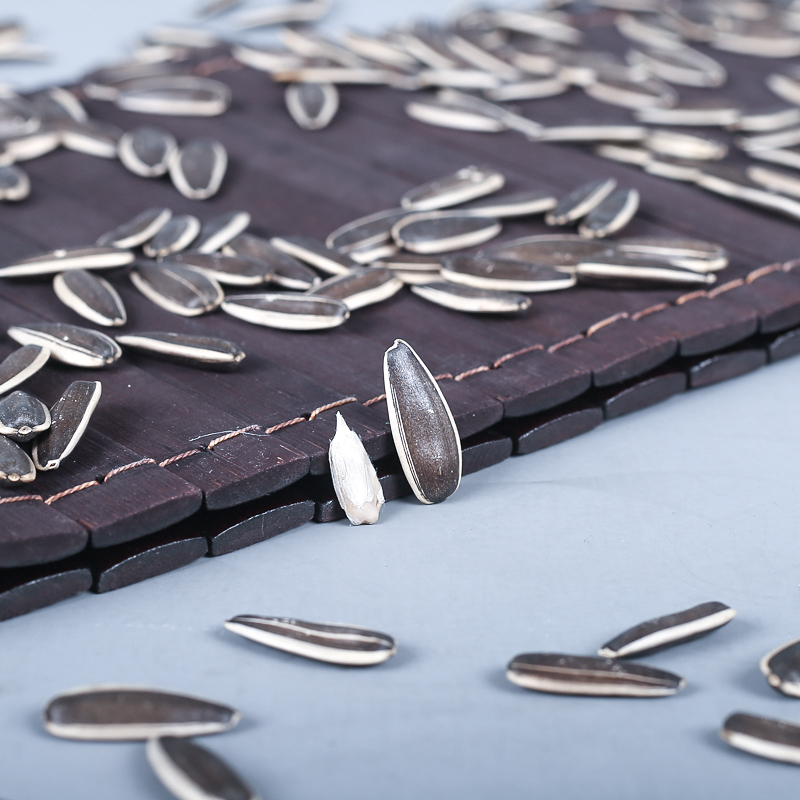
Customized sunflower seeds represent a significant segment within the agricultural commodities market, increasingly driven by demand for specific oil profiles, protein content, and physical characteristics tailored to various industrial applications. These aren't simply commodity seeds; they are engineered solutions serving the confectionary, edible oil, and increasingly, the biofuel and animal feed industries. Their technical position in the supply chain lies between primary agricultural production and value-added processing, requiring rigorous quality control and traceability. Core performance metrics center around oil yield (%), protein content (%), moisture content (%), hull percentage, and genetic purity. The industry currently faces challenges related to maintaining consistent genetic traits across large-scale production, ensuring freedom from mycotoxins, and meeting increasingly stringent sustainability standards. This guide will detail the material science, manufacturing processes, performance characteristics, potential failure modes, and industry standards associated with supplying customized sunflower seeds.
Material Science & Manufacturing
Sunflower seeds are comprised of a complex matrix of lipids (primarily linoleic and oleic acids), proteins, carbohydrates, and fiber, encased within a hull. The lipid composition dictates the oil’s suitability for various applications, demanding precise control during breeding and cultivation. Raw material quality begins with the genetic lineage of the sunflower variety (e.g., high-oleic, mid-oleic, linoleic). The manufacturing process begins with seed selection and cleaning, followed by seed treatment (typically fungicide and insecticide coatings) to prevent fungal growth and insect damage during storage and germination. Crucially, seed drying is critical; moisture content must be reduced to 8-10% for long-term storage stability, preventing the growth of Aspergillus and other mycotoxin-producing fungi. Further processing involves size grading (to ensure uniformity for planting) and packaging in moisture-barrier materials. Key parameter control includes maintaining optimal temperature and humidity during drying, ensuring accurate application rates for seed treatments, and controlling seed flow rates during grading. Seed coating polymers often consist of polyethylene glycol (PEG) or starch-based materials, and their formulation is crucial for controlled release of active ingredients and minimizing dust formation. Quality control focuses on germination rate, physical purity (absence of weed seeds or other contaminants), and mycotoxin levels (aflatoxins, ochratoxin A).
Performance & Engineering
The performance of customized sunflower seeds is evaluated based on agronomic traits optimized for specific environments and end-use applications. Force analysis during harvesting and processing focuses on seed coat strength – susceptibility to cracking impacts oil yield and seed quality. Environmental resistance is paramount, particularly tolerance to drought, heat stress, and prevalent sunflower diseases (e.g., downy mildew, rust). Seed viability under varying storage conditions (temperature, humidity) is a critical engineering parameter. Compliance requirements are dictated by regulations surrounding genetically modified organisms (GMOs) in certain markets, pesticide residue limits (established by organizations like the EPA and EFSA), and seed certification standards. Functional implementation dictates the required oil profile; high-oleic varieties are engineered for extended frying life, while linoleic varieties are preferred for specific edible oil applications. Furthermore, seed size and shape influence planting precision and seedling emergence rates. The hull percentage impacts oil extraction efficiency; lower hull content generally leads to higher oil yields. Seed dormancy levels must also be managed to ensure synchronized germination.
Technical Specifications
| Oil Content (%) | Protein Content (%) | Moisture Content (%) | Germination Rate (%) |
|---|---|---|---|
| 42-48 (High Oleic) | 20-25 | 8-10 | ≥ 85 |
| 38-44 (Mid Oleic) | 22-27 | 8-10 | ≥ 80 |
| 30-36 (Linoleic) | 24-29 | 8-10 | ≥ 75 |
| 45-50 (Confectionary) | 18-22 | 8-10 | ≥ 90 |
| 40-46 (Biofuel) | 21-26 | 8-10 | ≥ 70 |
| 43-49 (Animal Feed) | 23-28 | 8-10 | ≥ 82 |
Failure Mode & Maintenance
Sunflower seeds are susceptible to several failure modes. Firstly, physiological deterioration occurs due to improper drying or storage, leading to reduced germination rates and seedling vigor. This manifests as slow or uneven emergence. Secondly, mechanical damage during harvesting, handling, and processing (cracking, chipping) reduces seed quality and increases susceptibility to fungal infection. Thirdly, pathogen infection (e.g., Aspergillus, Fusarium) results in mycotoxin contamination, rendering the seeds unusable for edible oil production. Fatigue cracking can occur in seeds subjected to repeated compression or impact. Delamination of the seed coat can also occur, particularly in seeds with high moisture content. Maintenance strategies include maintaining strict temperature and humidity control during storage (≤15°C and ≤65% relative humidity), implementing gentle handling procedures, and utilizing effective seed treatments to prevent fungal and insect infestations. Regular monitoring for mycotoxin levels is crucial. Implementing a robust first-in, first-out (FIFO) inventory management system is essential to minimize storage time and prevent deterioration. Seed cleaning and grading equipment should be regularly inspected and maintained to ensure optimal performance.
Industry FAQ
Q: What are the key differences between high-oleic and linoleic sunflower seeds in terms of oil stability?
A: High-oleic sunflower seeds contain a significantly higher proportion of oleic acid (typically >70%), a monounsaturated fatty acid. This confers greater oxidative stability to the oil, resulting in a longer shelf life and improved performance in high-temperature frying applications. Linoleic sunflower seeds, rich in linoleic acid (a polyunsaturated fatty acid), are more prone to oxidation, limiting their use in applications requiring extended heat exposure.
Q: How do you ensure the absence of genetically modified material in non-GMO certified sunflower seeds?
A: We employ a rigorous multi-stage testing protocol. This begins with sourcing seeds from certified non-GMO suppliers. Subsequently, seeds undergo PCR (Polymerase Chain Reaction) testing to detect the presence of GMO markers. We also implement stringent segregation procedures throughout the supply chain to prevent cross-contamination and conduct regular audits of our suppliers.
Q: What is the acceptable level of moisture content in sunflower seeds for long-term storage, and how is it measured?
A: The acceptable moisture content for long-term storage is between 8-10%. Higher moisture levels promote fungal growth and reduce germination rates. Moisture content is typically measured using a grain moisture analyzer, which utilizes a dielectric method to determine the electrical resistance of the seed sample.
Q: How are mycotoxin levels monitored, and what are the regulatory limits for aflatoxins?
A: Mycotoxin levels are monitored through regular laboratory analysis using methods such as ELISA (Enzyme-Linked Immunosorbent Assay) or HPLC (High-Performance Liquid Chromatography). Regulatory limits for aflatoxins vary by country, but generally range from 5-20 ppb (parts per billion) for edible oil and higher for animal feed.
Q: What seed treatment options are available, and how do they impact seed performance?
A: Common seed treatments include fungicides (to control Fusarium and Rhizoctonia) and insecticides (to protect against wireworms and other soil pests). We also offer polymer coatings for improved seed flowability and reduced dust. These treatments enhance seedling establishment and protect against early-season diseases and insect damage, ultimately improving yield potential.
Conclusion
The provision of customized sunflower seeds demands a sophisticated understanding of agricultural science, seed technology, and stringent quality control processes. Maintaining genetic purity, optimizing oil profiles, and ensuring freedom from contaminants are critical to meeting the diverse needs of downstream industries. Effective moisture management, appropriate seed treatments, and rigorous adherence to international standards are paramount for preserving seed viability and delivering a consistently high-quality product.
Future advancements in sunflower breeding will likely focus on enhancing disease resistance, improving drought tolerance, and tailoring oil profiles to meet evolving market demands. Continuous investment in analytical capabilities and supply chain traceability will be essential for maintaining customer confidence and ensuring the sustainable production of customized sunflower seeds.
