Introduction
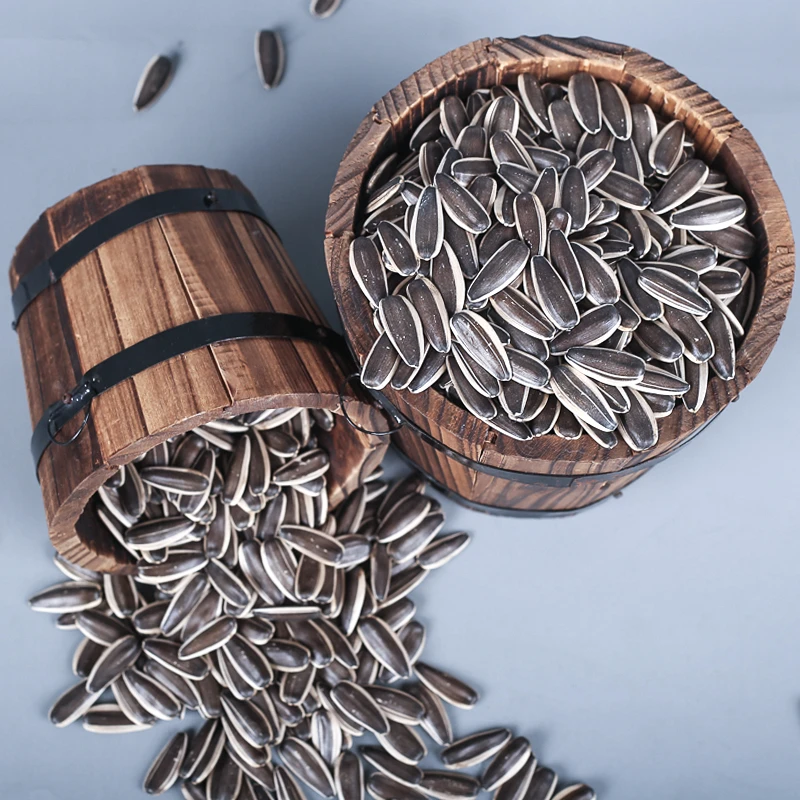
Customized sunflower seed manufacturing represents a specialized niche within the agricultural processing industry, focused on delivering seeds tailored to specific client requirements. This encompasses variations in genetic traits (oil content, linoleic acid ratio, hulling characteristics), physical characteristics (seed size, shape, density), and treatment applications (coating, priming). Unlike commodity seed production, customization demands rigorous quality control, precise sorting and grading technologies, and the ability to manage small-batch production runs. The industry chain positions customized seed manufacturers as intermediaries between breeding companies (developing novel genetics) and end-users (food processors, snack food companies, and agricultural producers). Core performance metrics center around seed viability, germination rate, genetic purity, and adherence to client-defined specifications. A significant pain point in the industry is maintaining consistent seed quality across diverse and often limited production volumes, particularly concerning mycotoxin levels and seed-borne diseases. Another is the ability to rapidly respond to evolving market demands for specific oil profiles and nutritional characteristics.
Material Science & Manufacturing
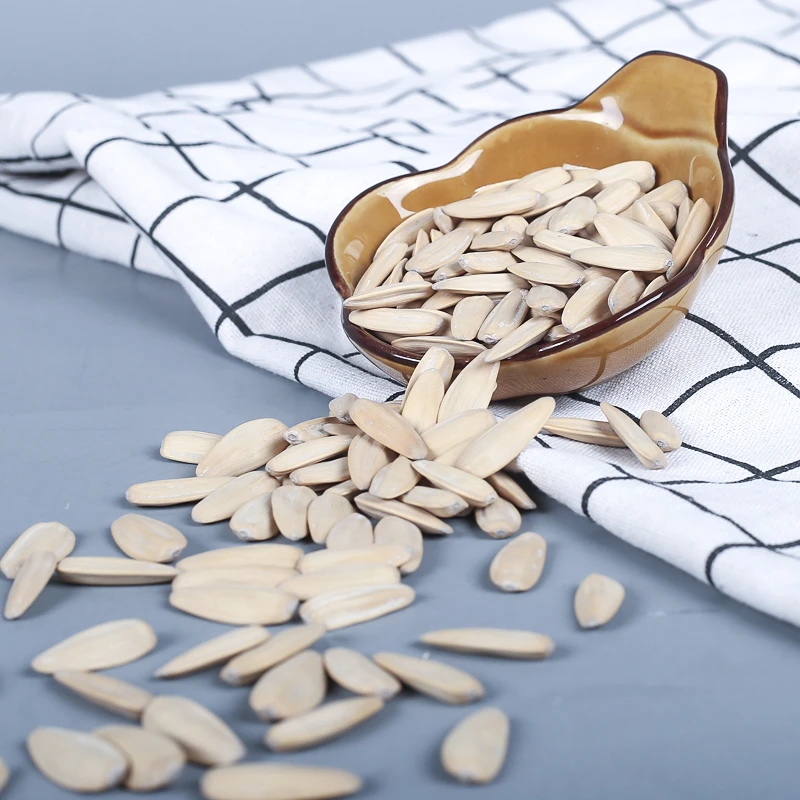
Sunflower seed composition is fundamentally dictated by its genetic makeup, but manufacturing processes significantly influence final product quality. The primary raw material, the sunflower achene, consists of a hull (pericarp), kernel (cotyledons), and embryo. Kernel oil content typically ranges from 40-55%, comprised largely of triglycerides with varying levels of linoleic and oleic acids. Hull composition is largely cellulose and lignin, imparting structural integrity. Manufacturing begins with harvesting and drying, critical steps impacting seed moisture content (optimal range 8-10%). Subsequent processing involves dehulling, kernel sorting (based on size and density using gravity separators and optical sorters), and grading. Specialized customization often involves seed coating with polymers (e.g., polyethylene glycol) to improve flowability, protect against fungal growth (using fungicides like tebuconazole – subject to regulatory limits), or deliver micronutrients. Fiber weaving is not applicable to sunflower seed manufacturing. Thermoforming is utilized for packaging materials. Parameter control is paramount: consistent drying temperatures prevent protein denaturation, optical sorting algorithms must be precisely calibrated for color and shape discrimination, and coating application must achieve uniform coverage without affecting germination. Chemical compatibility of coating materials with the seed surface and potential migration into the kernel must also be carefully considered. Seed viability is affected by storage temperature and humidity; therefore, controlled atmosphere storage is frequently employed.
Performance & Engineering
Performance assessment of customized sunflower seeds extends beyond standard germination tests. Force analysis focuses on hull strength – excessive brittleness leads to kernel damage during dehulling, while excessive strength hinders efficient processing. Environmental resistance is crucial, particularly tolerance to temperature fluctuations during storage and transport. Compliance requirements are extensive, dictated by national and international food safety regulations. Germination rate (typically >85% for high-quality seeds) is a primary indicator, assessed under controlled laboratory conditions (temperature, humidity, light). Oil content analysis (using Soxhlet extraction or NMR spectroscopy) verifies adherence to client specifications. Fatty acid profiling (via gas chromatography) confirms the linoleic/oleic acid ratio. Mycotoxin screening (for aflatoxins, ochratoxins, and fumonisins using HPLC-MS/MS) is essential for food safety. Functional implementation involves optimizing seed treatments for specific planting conditions and ensuring uniform seed distribution during planting. Seed flowability, measured by angle of repose, impacts metering accuracy in precision planting equipment. Hulling efficiency is evaluated by determining the percentage of intact kernels recovered after dehulling, a key metric for snack food manufacturers. Resistance to mechanical damage during handling and transport is assessed through impact and abrasion testing. The impact of seed coatings on germination rate and seedling vigor requires careful evaluation.
Technical Specifications
| Parameter | Units | Typical Range (Standard Seeds) | Customization Tolerance |
|---|---|---|---|
| Oil Content | % (Dry Weight Basis) | 48-52% | ±3% |
| Linoleic Acid Content | % of Total Fatty Acids | 60-70% | ±5% |
| Germination Rate | % | >85% | >80% (with specific treatments) |
| Hull Percentage | % (Weight Basis) | 28-35% | ±2% |
| Seed Size (Diameter) | mm | 10-15 | ±1 mm |
| Moisture Content | % | 8-10% | ±0.5% |
Failure Mode & Maintenance
Failure modes in customized sunflower seeds encompass several categories. Genetic drift can occur during seed multiplication, leading to deviations from desired traits. Physical damage during handling and storage (cracking, chipping) reduces viability. Fungal contamination (e.g., Sclerotinia, Alternaria) generates mycotoxins, rendering the seeds unsuitable for consumption. Insect infestation (e.g., storage mites) reduces seed quality. Oxidation of lipids during storage leads to rancidity and reduced oil quality. Coating delamination can compromise seed protection and uniformity. Maintenance strategies include rigorous seed testing at each production stage, controlled atmosphere storage (low temperature, low humidity, inert gas), regular pest control monitoring, and proper cleaning and disinfection of processing equipment. Implementing a HACCP (Hazard Analysis and Critical Control Points) plan is crucial for preventing mycotoxin contamination. Seed coatings should be regularly inspected for integrity. Monitoring seed moisture content and preventing water absorption are critical for preventing fungal growth. Proper ventilation during storage minimizes condensation and reduces the risk of spoilage. Regular audits of seed quality and adherence to client specifications are essential.
Industry FAQ
Q: What are the key differences between conventional and customized sunflower seed production regarding quality control?
A: Conventional production focuses on maximizing yield with broad quality standards. Customized production prioritizes adherence to highly specific client requirements, demanding significantly more stringent quality control throughout the entire process – from genetic purity testing and oil profile analysis to precise sorting and grading based on size, shape, and absence of defects. Customized production necessitates batch traceability and documentation at every stage.
Q: How does seed coating impact the shelf life and germination rate of customized sunflower seeds?
A: Seed coatings can extend shelf life by providing a barrier against moisture, oxygen, and fungal attack. However, the coating material must be carefully selected to avoid inhibiting germination. Certain polymers can create a physical barrier to water uptake, while others may contain fungicides that, if present at excessive levels, can reduce viability. Optimization of coating thickness and composition is crucial.
Q: What are the primary challenges in maintaining genetic purity during customized seed multiplication?
A: Maintaining genetic purity requires meticulous isolation of seed multiplication fields to prevent cross-pollination with other sunflower varieties. Roguing (removing off-type plants) is essential. Regular genetic marker analysis is used to verify purity. Seed sourcing from reputable breeding companies with established quality control programs is also critical.
Q: How are mycotoxin levels monitored and controlled in customized sunflower seed production?
A: Mycotoxin monitoring begins with pre-harvest field scouting for fungal infection. Samples are regularly tested throughout the processing chain using HPLC-MS/MS. Seeds exceeding regulatory limits are rejected. Implementing good agricultural practices (GAP), proper drying, and storage conditions are crucial for minimizing mycotoxin formation.
Q: What role does seed size and shape play in the performance of customized sunflower seeds in precision planting equipment?
A: Uniform seed size and shape are critical for accurate metering and spacing in precision planters. Variations in seed dimensions can lead to skips or doubles, affecting plant population and yield. Customized seeds are often graded to ensure consistent dimensions, improving planting performance.
Conclusion
Customized sunflower seed manufacturing is a technically demanding process requiring a comprehensive understanding of seed physiology, genetics, and processing technologies. Success hinges on rigorous quality control, precise parameter management, and adherence to stringent food safety regulations. The ability to respond effectively to evolving client needs and market demands for specific oil profiles and nutritional characteristics is a key differentiator.
Looking ahead, advancements in seed coating technologies, precision sorting algorithms, and genetic marker analysis will further enhance the capabilities of customized sunflower seed manufacturers. Increased emphasis on sustainable agricultural practices and traceability will become increasingly important to meet consumer expectations and regulatory requirements. Investing in robust quality assurance systems and skilled personnel will be vital for maintaining a competitive edge in this specialized market.
