Introduction
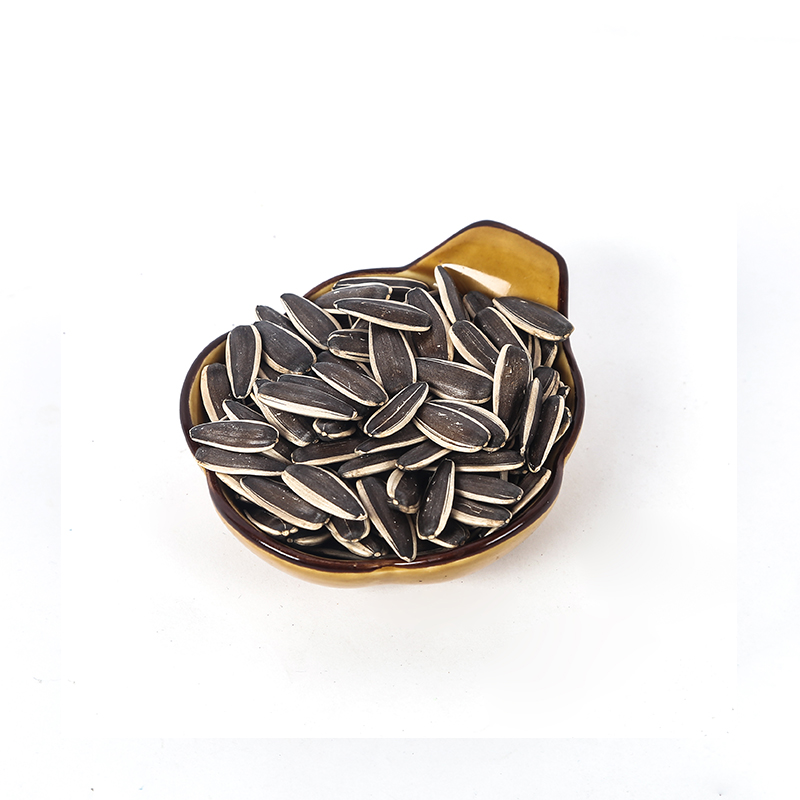
Customized sunflower seed production represents a specialized segment within the agricultural processing industry. This process extends beyond the large-scale commodity production of sunflower seeds to encompass specific varietal selections, processing techniques, and packaging configurations tailored to client demands. The technical position in the value chain spans from post-harvest handling and seed cleaning to grading, dehulling, roasting, flavoring, and ultimately, specialized packaging. Core performance metrics revolve around seed viability, oil content, protein content, moisture levels, flavor profile consistency, and adherence to stringent food safety regulations. A key pain point within the industry is maintaining varietal purity and traceability throughout the entire processing stream, coupled with the demand for consistent product quality across varying batch sizes for customized orders.
Material Science & Manufacturing
Sunflower seeds ( Helianthus annuus ) composition varies based on cultivar, but generally comprise approximately 35-50% oil, 20-25% protein, 15-20% hull, and 5-10% moisture. The oil consists predominantly of linoleic acid (60-70%), oleic acid (20-30%), and palmitic acid (5-10%). Hull composition is primarily cellulose, hemicellulose, and lignin. Manufacturing begins with post-harvest drying to a target moisture content of 8-10% to inhibit mold growth and enzymatic activity. Cleaning utilizes a series of screens, aspirators, and destoners to remove foreign material. Dehulling, a critical step, can be achieved mechanically through abrasive cracking or chemically via controlled softening of the hull. Roasting, typically at 120-160°C, develops flavor and reduces moisture. Flavor application involves dry blending or oil coating. Packaging materials, often multi-layer films, require careful selection based on oxygen transmission rate (OTR) and moisture vapor transmission rate (WVTR) to maintain product freshness. Key parameter control includes temperature uniformity during roasting, precise control of oil application rates, and consistent hull removal efficiency. Material compatibility between processing equipment (stainless steel 304/316 preferred) and the seeds is vital to prevent metallic contamination.
Performance & Engineering
Performance engineering focuses on optimizing processing parameters to maximize yield and minimize defects. Force analysis is crucial in dehulling, determining the optimal cracking force to separate the kernel from the hull without damaging the kernel itself. Environmental resistance is addressed through controlled atmosphere storage to prevent rancidity and insect infestation. Compliance requirements are extensive, encompassing food safety standards (HACCP, GMP), allergen control protocols, and labeling regulations. Specific functional implementation involves tailored roasting profiles to achieve desired flavor intensities, consistent salt adhesion during seasoning, and precise weight control during packaging. A key consideration is thermal stability of oils during roasting; excessive temperatures can lead to lipid oxidation and off-flavor development. Packaging integrity is engineered to withstand handling stresses during transportation and storage. Moisture ingress and oxygen permeation are critical failure points that compromise shelf life and product quality, demanding precise material selection and sealing techniques.
Technical Specifications
| Seed Varietal | Oil Content (%) | Moisture Content (%) | Hull Damage (%) |
|---|---|---|---|
| Black Oil Sunflower | 48-52 | 7-9 | < 2% |
| Confectionary Sunflower | 42-46 | 8-10 | < 3% |
| High Linoleic Sunflower | 50-55 | 6-8 | < 1.5% |
| High Oleic Sunflower | 60-70 | 7-9 | < 2.5% |
| Organic Sunflower | 45-50 | 8-10 | < 3.5% |
| Salted Sunflower Seeds (Final Product) | 40-44 | 5-7 | < 1% |
Failure Mode & Maintenance
Common failure modes include rancidity due to lipid oxidation, evidenced by off-flavors and odors; cracked or broken kernels resulting from excessive dehulling force or improper handling; microbial contamination leading to spoilage; and package defects allowing moisture ingress or oxygen permeation. Fatigue cracking in processing equipment, particularly rollers and conveyor belts, can occur under cyclical loading. Dehulling equipment experiences abrasive wear from the seeds themselves. Maintenance solutions involve regular cleaning and lubrication of machinery, monitoring of temperature and humidity levels during storage, periodic inspection of packaging seals, and implementation of a robust sanitation program. Predictive maintenance utilizing vibration analysis and thermal imaging can identify potential equipment failures before they occur. Regular oil analysis of lubricants can also prevent catastrophic equipment breakdown. Proactive hull damage prevention through proper machine calibration is crucial. Storage facilities require pest control measures and routine fumigation. Failure analysis should focus on identifying the root cause of defects – whether related to raw material quality, processing parameters, or packaging integrity.
Industry FAQ
Q: What is the optimal moisture content range for sunflower seeds prior to dehulling and why is it critical?
A: The optimal moisture content range is typically 8-10%. Moisture content significantly impacts dehulling efficiency and kernel damage. Too high, and the hull becomes pliable but the kernel is prone to crushing. Too low, and the hull becomes brittle, increasing the risk of kernel cracking during dehulling. Precise control of moisture content minimizes these issues, maximizing yield and quality.
Q: How do you ensure consistent flavor profiles in customized sunflower seed blends?
A: Consistent flavor profiles are achieved through precise control of roasting parameters (temperature, time, airflow), accurate weighing and blending of flavor ingredients, and rigorous quality control testing using sensory panels and gas chromatography-mass spectrometry (GC-MS) to analyze volatile compounds.
Q: What packaging materials are recommended to maintain freshness and prevent rancidity in roasted and seasoned sunflower seeds?
A: Multi-layer films incorporating a metallized layer (aluminum) and a polyethylene or polypropylene layer are commonly used. These provide excellent barrier properties against oxygen and moisture. Nitrogen flushing prior to sealing further reduces oxygen levels within the package. OTR and WVTR values of the chosen material should be carefully considered and below specified thresholds (e.g., OTR < 1cc/m²/day, WVTR < 3g/m²/day).
Q: What quality control measures are implemented to prevent foreign material contamination during processing?
A: A multi-stage cleaning process utilizing screens, aspirators, destoners, and metal detectors is implemented. Regular inspection of processing equipment for wear and tear is performed. Strict hygiene protocols are enforced throughout the facility, including employee training and regular sanitation audits. Raw material suppliers are audited to ensure they meet our stringent quality standards.
Q: What standards do you adhere to regarding allergen control in customized sunflower seed production?
A: We adhere to HACCP principles and implement a comprehensive allergen control program. This includes dedicated processing lines for allergen-containing products, thorough cleaning and sanitation between production runs, segregation of raw materials and finished products, and accurate labeling of all products with allergen declarations. Regular allergen swabbing and testing are conducted to verify the effectiveness of our controls.
Conclusion
Customized sunflower seed production necessitates a rigorous application of material science principles, precise process control, and adherence to stringent quality and safety standards. Optimizing dehulling parameters, maintaining consistent roasting profiles, and selecting appropriate packaging materials are crucial for delivering high-quality, flavorful, and shelf-stable products. Addressing the inherent challenges of maintaining varietal purity and ensuring traceability throughout the processing stream remains a key focus for industry stakeholders.
Future advancements are likely to focus on automation, AI-powered quality control systems, and sustainable packaging solutions. Continued research into novel dehulling techniques and improved oil stabilization methods will further enhance product quality and extend shelf life. Collaboration between seed breeders, processors, and packaging manufacturers will be essential for driving innovation and meeting the evolving demands of the customized sunflower seed market.
