Introduction
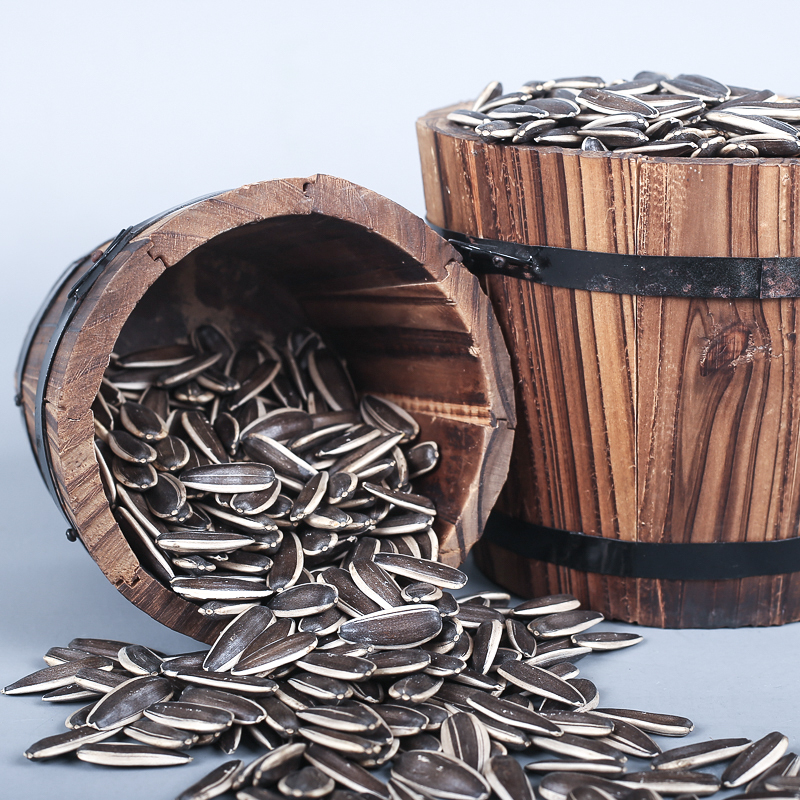
Customized sunflower seed exporting represents a specialized segment within the agricultural commodity trade, demanding precision in varietal selection, processing, and quality control. Sunflower seeds, Helianthus annuus, are globally significant as both an oilseed crop and a direct human consumption product. This technical guide details the intricacies of delivering customized sunflower seed solutions to international markets, focusing on genetic purity, agronomic specifications, post-harvest handling, and compliance with international trade standards. The industry faces key pain points regarding maintaining consistent seed quality across diverse growing conditions, mitigating mycotoxin contamination, and meeting increasingly stringent import regulations. Successful exportation necessitates a comprehensive understanding of seed physiology, storage protocols, and logistical considerations to preserve viability and market value.
Material Science & Manufacturing
Sunflower seed composition is fundamentally governed by genetics, but also heavily influenced by environmental factors during growth. The seed itself consists of a hull (pericarp), kernel (cotyledons), and embryo. The hull contributes to physical protection and contains lignans with potential health benefits, while the kernel is the primary source of oil (typically 40-50% by weight) and protein (20-30%). Oil composition varies significantly based on cultivar – high oleic, high linoleic, and mid-oleic varieties exist, impacting oxidative stability and nutritional profile. Manufacturing begins with seed selection based on desired oil profile and kernel size. Post-harvest processing involves cleaning (removal of debris and foreign material), drying (reducing moisture content to 8-10% to inhibit microbial growth), dehulling (optional, depending on end-use - birdseed often retains the hull), sizing (grading seeds by diameter), and coating (application of protectants or flavors). Dehulling efficiency is a critical parameter; excessive breakage leads to increased oil loss and reduced quality. Drying is typically achieved using forced-air systems, carefully controlling temperature (below 45°C) to avoid protein denaturation and lipid oxidation. Seed coating utilizes polymers and active ingredients applied via fluidized bed technology, ensuring uniform coverage. Chemical compatibility of coating agents with the seed surface is vital, avoiding phytotoxicity or reduced germination rates.
Performance & Engineering
The performance of sunflower seeds in downstream applications – whether for oil extraction, confectionary use, or birdseed – is directly tied to their physical and chemical properties. Kernel hardness, determined by indentation testing, impacts milling efficiency and oil yield. Oil stability, measured by Rancimat testing (induction period), dictates shelf life and resistance to oxidative degradation. Force analysis during dehulling reveals the required energy for hull removal, influencing equipment design and operating parameters. Environmental resistance is paramount during storage and transportation. Seed viability declines with increasing temperature and humidity. Controlled atmosphere storage (reducing oxygen and increasing carbon dioxide levels) can significantly extend shelf life. Packaging materials must provide a barrier to moisture and oxygen, while also protecting against physical damage. Compliance requirements vary by importing country, encompassing phytosanitary certificates (ensuring freedom from pests and diseases), mycotoxin limits (aflatoxins, ochratoxin A), and genetically modified organism (GMO) labeling regulations. Sunflower seeds intended for human consumption must meet stringent food safety standards, including HACCP (Hazard Analysis and Critical Control Points) protocols. Germination rate, a key indicator of seed quality, is assessed using standardized germination tests, complying with ISTA (International Seed Testing Association) rules.
Technical Specifications
| Parameter | Unit | Typical Range (Oilseed Variety) | Typical Range (Confectionery Variety) |
|---|---|---|---|
| Kernel Oil Content | % (Dry Weight) | 48-52 | 42-46 |
| Kernel Protein Content | % (Dry Weight) | 22-28 | 20-25 |
| Kernel Moisture Content (at shipment) | % | 8-10 | 8-10 |
| Kernel Hardness (Indentation Force) | N | 10-20 | 20-30 |
| Aflatoxin B1 Level | ppb | <5 | <5 |
| Germination Rate (Standard Conditions) | % | >85 | >90 |
Failure Mode & Maintenance
Sunflower seeds are susceptible to several failure modes impacting quality and marketability. Mycotoxin contamination, particularly by aflatoxins produced by Aspergillus species, is a major concern, especially in regions with hot and humid climates. Preventive measures include proper drying, storage sanitation, and application of antifungal treatments. Lipid oxidation leads to rancidity and off-flavors, reducing oil quality and consumer acceptance. Antioxidants (e.g., vitamin E) can mitigate oxidation. Physical damage during handling and transportation (cracking, chipping) reduces seed value. Protective packaging and careful logistics are essential. Insect infestation can cause significant losses and contamination. Appropriate insecticide treatments and hermetic storage are crucial. Premature sprouting during storage, due to high moisture content or temperature fluctuations, diminishes viability. Maintaining optimal storage conditions is vital. Maintenance of storage facilities requires regular cleaning, pest control, and temperature/humidity monitoring. Seed inventory should be managed on a first-in, first-out basis to minimize storage duration. Periodic seed quality testing (germination, oil content, mycotoxin levels) is essential to detect and address potential problems proactively.
Industry FAQ
Q: What are the critical considerations regarding aflatoxin levels when exporting sunflower seeds to the European Union?
A: The European Union has stringent regulations regarding aflatoxin contamination. Maximum permissible levels for total aflatoxins in sunflower seeds are typically 2 ppb (parts per billion). Exporters must provide laboratory analysis certificates demonstrating compliance with these limits, performed by accredited laboratories using validated analytical methods (e.g., HPLC with fluorescence detection). Regular monitoring and implementation of Good Agricultural Practices (GAP) are essential to minimize aflatoxin risk.
Q: How does seed size distribution affect the efficiency of oil extraction?
A: Uniform seed size distribution is crucial for optimal oil extraction efficiency. Smaller seeds require less energy for cell rupture, while larger seeds may contain more oil. A wide size distribution can lead to incomplete extraction and lower oil yields. Grading seeds by size before oil extraction improves processing efficiency and oil quality.
Q: What packaging materials are recommended for long-term storage and international transport of sunflower seeds?
A: Multi-layer packaging is recommended. An inner liner of polyethylene (PE) provides a moisture barrier. A middle layer of Kraft paper offers structural support. An outer layer of woven polypropylene (PP) provides protection against physical damage and UV exposure. The packaging should be airtight to prevent moisture ingress and insect infestation. Bags should be palletized and stretch-wrapped for secure transport.
Q: What is the significance of the "high oleic" designation in sunflower seeds, and how is it verified?
A: High oleic sunflower seeds contain a significantly higher percentage of oleic acid (typically >70%) in their oil, making it more stable and resistant to oxidation. This extends shelf life and reduces the need for hydrogenation. Verification involves gas chromatography analysis of the oil’s fatty acid profile, confirming the oleic acid content meets specified thresholds.
Q: What phytosanitary certificates are typically required for exporting sunflower seeds internationally?
A: Typically, a Phytosanitary Certificate issued by the exporting country’s National Plant Protection Organization (NPPO) is required. This certificate confirms that the seeds are free from regulated pests and diseases. Specific requirements vary by importing country; some may require additional testing or treatments. Compliance with ISPM (International Standards for Phytosanitary Measures) No. 38 is often mandatory.
Conclusion
The successful exportation of customized sunflower seeds demands a holistic understanding of the interplay between genetics, agronomy, processing, and international trade regulations. Maintaining seed quality, preventing mycotoxin contamination, and meeting stringent import requirements are paramount. Adherence to standardized testing protocols and implementation of robust quality control systems are critical for ensuring market acceptance and long-term sustainability.
Future trends in the industry include the development of sunflower varieties with enhanced nutritional profiles, improved disease resistance, and greater adaptability to changing climatic conditions. Furthermore, advancements in packaging technologies and supply chain management will contribute to reduced post-harvest losses and increased efficiency. Exporters who proactively embrace these innovations will be best positioned to capitalize on the growing global demand for high-quality sunflower seeds.
