Introduction
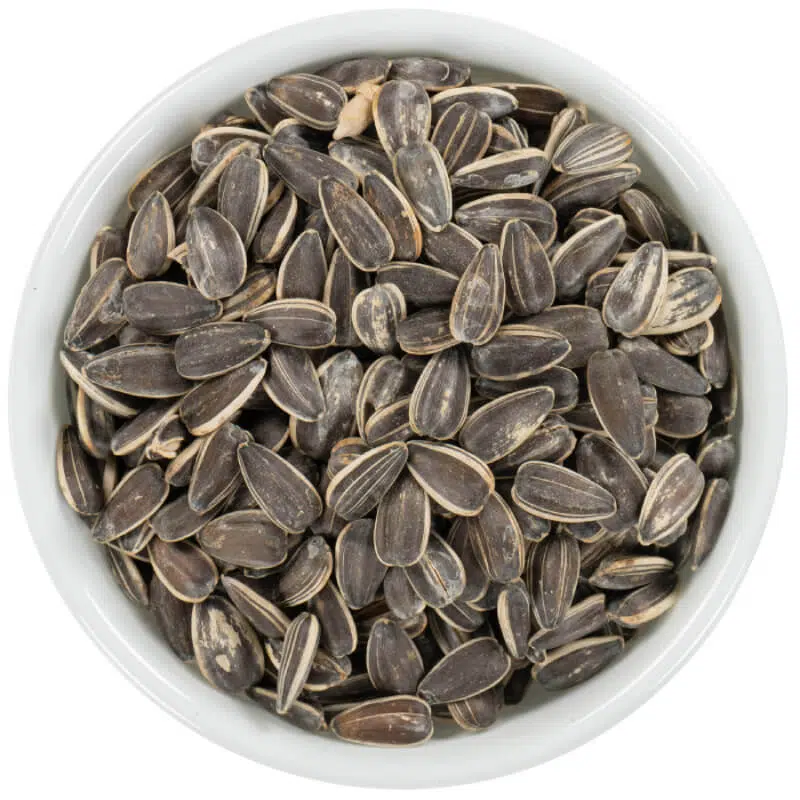
Chrysanthemum flavor sunflower seeds represent a specialized segment within the broader sunflower seed industry, catering to a growing consumer preference for nuanced and floral flavor profiles. These seeds are not simply sunflower seeds; they undergo a complex post-harvest processing regimen involving flavoring agents, coating technologies, and rigorous quality control. Their technical position lies at the intersection of agricultural commodity processing, food chemistry, and packaging science. Core performance metrics center around flavor consistency, seed integrity (minimizing broken kernels and shell fragments), moisture content (critical for shelf life and rancidity prevention), and the even distribution of the chrysanthemum flavoring. Suppliers are challenged with maintaining a delicate balance between sensory appeal and operational efficiency while adhering to increasingly stringent food safety standards. This guide provides a deep dive into the material science, manufacturing processes, performance characteristics, and potential failure modes associated with high-quality chrysanthemum flavored sunflower seeds, offering insights relevant to procurement managers and quality control engineers.
Material Science & Manufacturing
The foundational material is, of course, the sunflower seed itself ( Helianthus annuus). Kernel composition varies by cultivar, but typically consists of 45-55% oil (primarily linoleic acid), 20-25% protein, 10-15% carbohydrate, and 5-10% moisture. The quality of the seed significantly impacts the final product. Key parameters include oil content, kernel size, and freedom from mycotoxins (aflatoxins being a primary concern). Manufacturing begins with cleaning and grading the raw seeds. The critical stage is the flavoring process. This typically involves a multi-step procedure: seed roasting (controlled temperature and duration to optimize flavor development and reduce moisture), coating with a binding agent (often a sugar syrup or modified starch solution), application of the chrysanthemum flavoring (typically an extract derived from Chrysanthemum morifolium or synthesized flavoring compounds), and a final drying stage. Precise control of roasting temperature (typically 120-150°C) is vital to avoid scorching and off-flavor development. The chrysanthemum flavoring concentration needs to be meticulously monitored using gas chromatography-mass spectrometry (GC-MS) to ensure batch-to-batch consistency. The coating formulation's viscosity and spray rate directly impact flavor adherence and uniformity. Drying is usually performed using fluidized bed technology to ensure even moisture removal and prevent clumping. Proper seed storage post-processing is paramount to prevent oxidative rancidity of the seed oil, best achieved with controlled temperature (below 25°C) and humidity (below 60%) environments and nitrogen flushing of packaging.
Performance & Engineering
Performance evaluation extends beyond sensory attributes. Seed coat integrity is crucial to prevent oil leakage and maintain a crisp texture. Mechanical strength testing (using a texture analyzer) measures the force required to crack the seed coat. Moisture content, ideally maintained between 2-4%, directly impacts shelf life. A higher moisture content accelerates lipid oxidation, leading to rancidity. The chrysanthemum flavor's stability over time is another critical factor. Accelerated shelf-life studies (storage at elevated temperatures and humidity) are employed to predict flavor loss and identify optimal packaging materials. Environmental resistance testing assesses the product's ability to withstand temperature fluctuations during shipping and storage. This includes freeze-thaw cycles and exposure to varying humidity levels. Compliance requirements are significant, encompassing regulations set forth by the Food and Drug Administration (FDA) in the US, the European Food Safety Authority (EFSA) in Europe, and equivalent bodies in other target markets. These regulations pertain to food additives, permissible flavoring compounds, and labeling requirements. Packaging engineering plays a vital role; barrier properties against oxygen and moisture are paramount to preserve flavor and prevent rancidity. Multi-layer films incorporating aluminum foil or metallized polymers are often employed. Force analysis during processing (specifically coating application) ensures even distribution of flavoring agents without damaging the seed.
Technical Specifications
| Parameter | Unit | Specification | Test Method |
|---|---|---|---|
| Moisture Content | % | 2.0 – 4.0 | Karl Fischer Titration (AOAC 925.10) |
| Oil Content | % | 48 – 58 | Soxhlet Extraction (AOAC 920.39) |
| Broken Kernels | % | < 5.0 | Visual Inspection / Sieving |
| Chrysanthemum Flavor Intensity | ppm | 80 – 120 (based on standard reference) | Gas Chromatography-Mass Spectrometry (GC-MS) |
| Peroxide Value (Indication of Rancidity) | meq O2/kg | < 5.0 | AOCS Cd 8-53 |
| Water Activity (Aw) | - | < 0.65 | Water Activity Meter (ASTM E337) |
Failure Mode & Maintenance
Common failure modes include flavor degradation (loss of chrysanthemum aroma over time), rancidity (due to lipid oxidation), seed coat cracking (leading to oil leakage and textural changes), and clumping (caused by moisture absorption). Flavor degradation is often linked to insufficient barrier properties in the packaging material. Rancidity is accelerated by high temperatures, exposure to oxygen, and high moisture content. Seed coat cracking can occur during processing (over-roasting or excessive force during coating) or during transportation (impact damage). Clumping results from moisture ingress, typically due to compromised packaging integrity. Maintenance strategies focus on preventative measures. These include stringent quality control of raw materials, precise control of processing parameters (temperature, humidity, coating viscosity), the use of high-barrier packaging materials, and proper storage conditions (cool, dry, and dark). Regular monitoring of peroxide values and flavor intensity is crucial for detecting early signs of degradation. Implementing a First-In, First-Out (FIFO) inventory management system minimizes storage time and reduces the risk of product deterioration. For suppliers, robust traceability systems are essential for identifying the root cause of failures and implementing corrective actions. Detailed failure analysis, including microscopic examination of seed coats and GC-MS analysis of flavor compounds, can provide valuable insights into failure mechanisms.
Industry FAQ
Q: What is the typical shelf life of chrysanthemum flavored sunflower seeds when packaged in a metallized polypropylene bag?
A: Under ideal storage conditions (15-20°C and relative humidity below 60%), a properly packaged product should maintain acceptable quality (flavor and texture) for 9-12 months. However, accelerated shelf-life testing should be conducted to confirm this for specific formulations and packaging configurations.
Q: How do you ensure the chrysanthemum flavor is consistently applied to each batch of seeds?
A: We utilize automated coating systems with precise control over spray rates and solution viscosity. Each batch undergoes rigorous quality control testing using GC-MS to verify flavor concentration and profile. We maintain a standardized flavoring solution prepared according to strict specifications.
Q: What measures are taken to prevent aflatoxin contamination?
A: We source raw sunflower seeds only from suppliers with established aflatoxin control programs. All incoming raw materials are tested for aflatoxins using ELISA testing, and only lots meeting stringent safety thresholds are accepted. Our processing facilities follow strict hygiene protocols to prevent contamination.
Q: What packaging materials are most effective at preventing rancidity?
A: Multi-layer films incorporating a metallic barrier layer (aluminum foil or metallized polyester) provide the best protection against oxygen ingress. Additionally, incorporating a desiccant packet within the package can help absorb residual moisture and further extend shelf life.
Q: How does seed variety impact the final flavor profile of the chrysanthemum flavored sunflower seeds?
A: Seed variety does influence the inherent oil profile and overall seed composition, which can subtly impact flavor perception. We primarily utilize high-oleic sunflower seed varieties, as they exhibit greater oxidative stability and contribute to a cleaner flavor base. Different varieties may require slight adjustments to the flavoring formulation to achieve the desired flavor intensity.
Conclusion
The production of high-quality chrysanthemum flavored sunflower seeds is a complex process requiring meticulous control over multiple variables, from raw material selection and processing parameters to packaging and storage conditions. Suppliers must prioritize not only sensory appeal but also stringent quality control to ensure product safety, stability, and a consistent consumer experience. Understanding the underlying material science and potential failure modes is crucial for optimizing manufacturing processes and minimizing product defects.
Looking ahead, advancements in coating technologies, such as microencapsulation of flavoring agents, hold the potential to enhance flavor retention and extend shelf life. Furthermore, sustainable packaging solutions that minimize environmental impact without compromising product protection will become increasingly important. Continuous monitoring of regulatory changes and consumer preferences will be vital for suppliers to remain competitive in this evolving market segment.
