Introduction
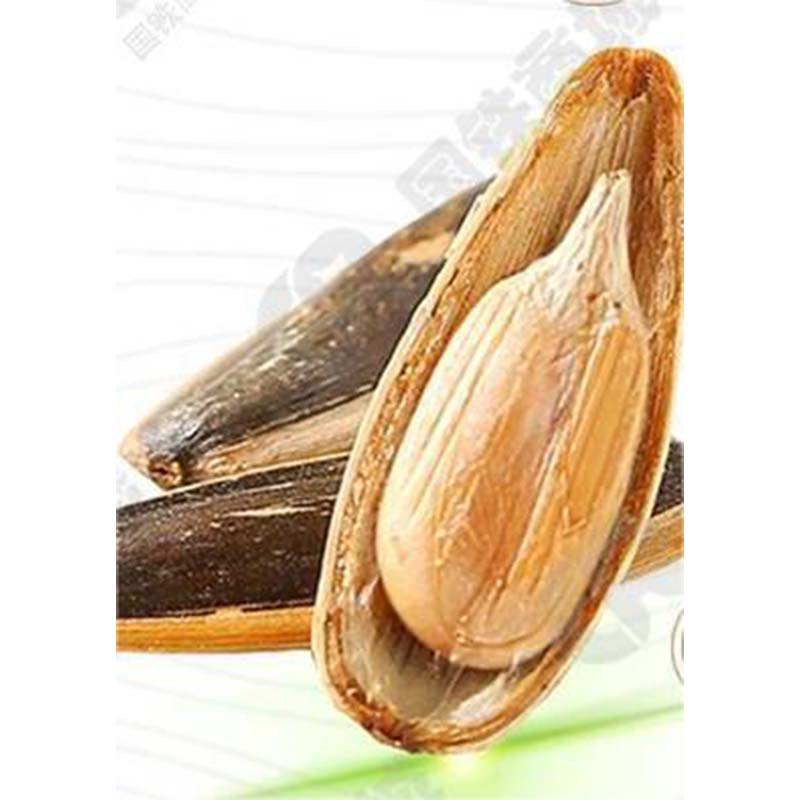
Chrysanthemum flavored sunflower seeds represent a niche but growing segment within the global snack food industry. These seeds, typically produced by coating roasted sunflower kernels with a flavoring blend mimicking the floral and slightly sweet taste of chrysanthemum, are particularly popular in Asian markets, notably China. Their technical position within the food chain involves agricultural sourcing of sunflower seeds ( Helianthus annuus), post-harvest processing – including drying, hulling, and roasting – followed by a precise flavoring application process. Core performance characteristics center on achieving a consistent flavor profile, maintaining seed integrity (minimizing breakage during processing and handling), ensuring optimal moisture content for shelf life, and adhering to stringent food safety regulations. The industry faces key challenges related to maintaining consistent raw material quality, achieving even flavor coating distribution, and preventing oxidation of oils within the seeds, which can lead to rancidity and off-flavors. This guide provides an in-depth technical analysis of chrysanthemum flavored sunflower seeds, covering material science, manufacturing processes, performance engineering, failure modes, and relevant industry standards.
Material Science & Manufacturing
The foundational material, the sunflower seed kernel, is composed primarily of lipids (40-50% by weight), proteins (20-25%), carbohydrates (15-20%), and moisture (5-10%). The lipid composition is crucial, influencing flavor stability and susceptibility to oxidation. Linoleic acid, a polyunsaturated fatty acid, is dominant and requires stabilization through antioxidants. The seed hulls, primarily cellulose and lignin, are removed through mechanical dehulling. Roasting, typically at temperatures between 120-180°C, develops the characteristic sunflower seed flavor and reduces moisture content to approximately 2-3%. The chrysanthemum flavoring agent is a complex mixture, usually comprising natural chrysanthemum extract (derived from Chrysanthemum morifolium), maltodextrin (as a carrier), sugar, salt, and potentially food-grade acids (citric or malic) for tartness balance. Manufacturing involves a fluidized bed coating process. Sunflower seeds are suspended in an air stream, and a precisely metered spray of the chrysanthemum flavoring solution is applied. Key parameters include spray nozzle size, air flow rate, solution viscosity, and coating temperature. Viscosity is critical, controlled by the concentration of maltodextrin and the addition of water. Too low viscosity results in dusting; too high causes clumping. Post-coating, seeds undergo a drying phase to remove residual moisture from the coating, preventing stickiness and microbial growth. Quality control at this stage includes monitoring coating uniformity using image analysis and assessing moisture content via Karl Fischer titration.
Performance & Engineering
Performance is assessed across several engineering domains. Force analysis is crucial for packaging; seeds experience compressive forces during transit and storage. Seed breakage directly impacts product quality and consumer perception. The hull-less nature increases fragility; packaging design must incorporate cushioning and vibration dampening. Environmental resistance focuses on moisture and oxygen permeability. The flavoring coating provides a partial barrier, but packaging materials (typically multi-layer films of polyethylene, polypropylene, and aluminum foil) provide the primary protection against moisture ingress and oxidative degradation. Compliance requirements are extensive, dictated by food safety regulations in target markets. This includes limits on heavy metal content (lead, cadmium, arsenic), pesticide residues, and microbial contamination ( Salmonella, E. coli). Flavor stability is engineered through the inclusion of antioxidants (e.g., BHA, BHT, tocopherols) in both the sunflower seeds and the flavoring coating. The concentration of these antioxidants must be optimized to prevent rancidity without imparting undesirable off-flavors. Furthermore, the coating's adhesion strength is critical. Poor adhesion leads to flavor loss and a dusty product. Adhesion is optimized by adjusting coating parameters (temperature, viscosity, spray rate) and the surface properties of the sunflower seeds (e.g., pre-coating with a primer). Shelf-life studies, conducted under accelerated aging conditions (elevated temperature and humidity), are used to predict product stability and determine optimal packaging and storage recommendations.
Technical Specifications
| Parameter | Specification | Test Method | Criticality |
|---|---|---|---|
| Moisture Content (Seed) | 2.0 - 3.5% | Karl Fischer Titration (GB/T 5005-2008) | High |
| Moisture Content (Coating) | < 1.5% | Loss on Drying (AOAC 925.10) | High |
| Flavor Coating Uniformity | ≥ 90% Coverage | Image Analysis (ASTM E2500) | Medium |
| Peroxide Value (Oil) | < 5 meq O2/kg | AOCS Cd 8-53 | High |
| Chrysanthemum Flavor Intensity | 80-120 ppm Chrysanthemum Extract | HPLC-MS | High |
| Seed Breakage Rate | < 5% | Sieve Analysis (GB/T 2609-2018) | Medium |
Failure Mode & Maintenance
Failure modes in chrysanthemum flavored sunflower seeds typically fall into several categories. Oxidative Rancidity: The unsaturated fatty acids in the sunflower seed oil are susceptible to oxidation, leading to off-flavors and odors. This is accelerated by exposure to oxygen, light, and elevated temperatures. Mitigation involves using antioxidants, oxygen-barrier packaging, and proper storage conditions (cool, dark, dry). Coating Delamination: Poor adhesion of the flavoring coating can result in flavor loss and a dusty product. Causes include inadequate seed surface preparation, improper coating parameters (viscosity, temperature, spray rate), and high humidity during drying. Maintenance involves optimizing coating parameters and ensuring adequate drying. Seed Cracking/Breakage: Mechanical stress during processing, packaging, and transportation can cause seeds to crack or break, reducing product quality. Preventive measures include gentle handling, optimized packaging design with cushioning, and controlled vibration during transport. Moisture Absorption: Ingress of moisture can lead to microbial growth, flavor degradation, and clumping. Using moisture-barrier packaging and maintaining proper storage conditions are essential. Microbial Contamination: While roasting significantly reduces microbial load, contamination can still occur during flavoring and packaging. Strict hygiene protocols and quality control measures are crucial. Maintenance focuses on regular sanitation of equipment and adherence to Good Manufacturing Practices (GMP). Shelf-life extension can be achieved by nitrogen flushing of packaging to reduce oxygen levels and the inclusion of oxygen absorbers.
Industry FAQ
Q: What is the optimal storage temperature and humidity for maximizing shelf life?
A: The optimal storage temperature is between 15-20°C with a relative humidity below 60%. Higher temperatures and humidity accelerate oxidation and moisture absorption, leading to flavor degradation and microbial growth. Maintaining these conditions, alongside appropriate packaging, is critical for maximizing shelf life, typically aiming for 6-12 months.
Q: What are the key quality control tests performed on the raw sunflower seeds before flavoring?
A: Key tests include moisture content (Karl Fischer titration), oil content (solvent extraction), peroxide value (AOCS Cd 8-53), foreign matter inspection (visual), and seed breakage analysis (sieve analysis). These tests ensure the raw materials meet quality standards and minimize the risk of defects in the finished product.
Q: How do you ensure consistent flavor intensity across production batches?
A: Consistent flavor intensity is achieved through precise control of the flavoring solution concentration, spray rate, and coating temperature during the fluidized bed coating process. Regular calibration of equipment and HPLC-MS analysis of finished product samples are essential for monitoring flavor intensity and making necessary adjustments.
Q: What types of packaging materials are recommended to maintain product quality?
A: Multi-layer packaging films are recommended, typically incorporating polyethylene (PE), polypropylene (PP), and aluminum foil. The aluminum foil provides an excellent oxygen and moisture barrier, protecting the seeds from oxidative degradation and moisture absorption. Nitrogen flushing and oxygen absorbers can further enhance protection.
Q: What regulations govern the use of antioxidants in chrysanthemum flavored sunflower seeds?
A: Regulations vary by country. In the US, the FDA regulates the use of antioxidants like BHA and BHT. In the EU, regulations are set by EFSA. Compliance requires adherence to maximum allowable levels and proper labeling. Documentation of antioxidant usage and compliance with relevant regulations is essential.
Conclusion
Chrysanthemum flavored sunflower seeds represent a technically nuanced food product requiring careful control across the entire production chain. From the intrinsic properties of sunflower kernels and the intricacies of flavor coating application to the critical importance of packaging and storage conditions, a thorough understanding of material science, engineering principles, and regulatory requirements is paramount. Maintaining consistent flavor quality, ensuring product safety, and maximizing shelf life rely on meticulous process control and adherence to industry best practices.
Future trends will likely focus on enhancing flavor stability through innovative antioxidant systems, developing biodegradable packaging materials to reduce environmental impact, and optimizing coating techniques to further improve flavor adhesion and uniformity. The increasing consumer demand for healthy and flavorful snacks will continue to drive innovation within this specialized segment of the food industry, demanding continuous improvement in production technologies and quality control measures.
