Introduction
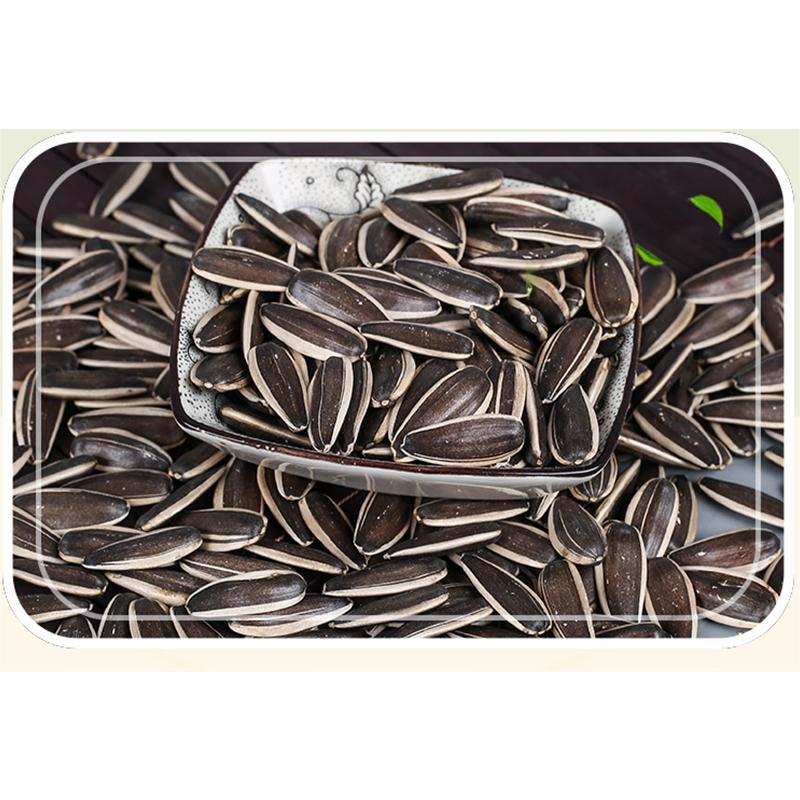
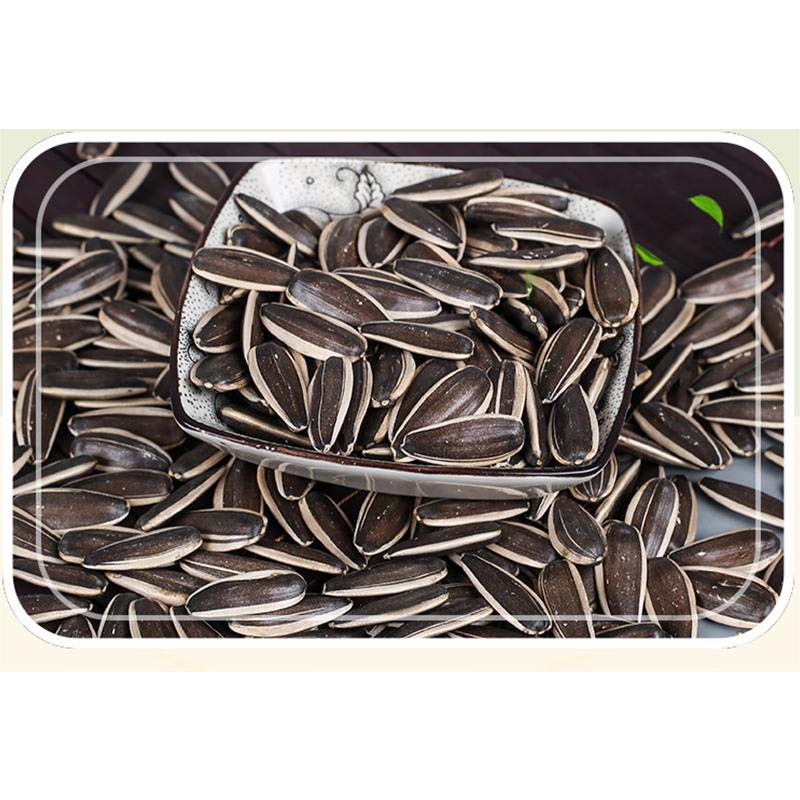
Chrysanthemum flavor sunflower seeds represent a processed snack food product derived from sunflower seeds ( Helianthus annuus ). These seeds undergo a multi-stage process including dehulling, roasting, flavoring, and packaging. Positioned within the broader snack food industry, they compete with other seed-based snacks, nuts, and confectionery items. Core performance characteristics center on flavor profile, texture (crunchiness and seed coat integrity), shelf life (stability of flavor and prevention of rancidity), and adherence to food safety regulations. A key industry challenge is maintaining consistent flavor delivery and preventing lipid oxidation which leads to off-flavors and reduced product appeal. This guide provides an in-depth technical overview of the material science, manufacturing processes, performance characteristics, potential failure modes, and maintenance of quality for chrysanthemum flavor sunflower seeds.
Material Science & Manufacturing
The primary raw material is the sunflower seed kernel, consisting of approximately 50-60% oil (primarily linoleic acid, an omega-6 fatty acid), 20-25% protein, 10-15% carbohydrates, and trace minerals. Seed coat composition is predominantly cellulose and lignin. The 'chrysanthemum flavor' is achieved through a complex blend of flavoring agents, including natural and artificial flavor compounds mimicking chrysanthemum's aromatic profile (typically esters, aldehydes, and terpenes), salt (sodium chloride), and potentially sugar or sweeteners. Manufacturing involves several critical stages: First, seeds are harvested and dried to a moisture content of approximately 10-12% to inhibit mold growth. Dehulling removes the outer seed coat, a process typically utilizing mechanical abrasion. Roasting, performed at temperatures ranging from 120-160°C, develops flavor and reduces moisture content further. Precise temperature control is paramount; under-roasting results in insufficient flavor development and a soft texture, while over-roasting leads to scorching and bitter flavors. Flavoring is achieved through tumble coating with a liquid flavor blend. Critical parameters include coating uniformity and adherence. Finally, packaging, usually in multi-layer films (polypropylene/aluminum/polyethylene), provides a barrier against moisture, oxygen, and light to extend shelf life. Process parameter control – moisture content, roasting temperature, coating weight, and packaging integrity – are essential for consistent product quality. The oil content is a critical parameter, driving both flavor development and susceptibility to rancidity.
Performance & Engineering
Product performance is multifaceted, encompassing sensory characteristics, physical integrity, and shelf life stability. Force analysis relevant to the seed itself focuses on shell fracture strength during dehulling and kernel crush strength during handling. These properties are influenced by seed variety, moisture content, and pre-treatment processes. Environmental resistance is primarily related to moisture uptake and oxygen permeability of the packaging, impacting lipid oxidation. High humidity accelerates rancidity. Compliance requirements are stringent, governed by food safety standards (see section 7). The flavoring compounds must meet purity standards and be approved for food use by relevant regulatory bodies (FDA, EFSA, etc.). Functional implementation, from a consumer perspective, centers on the 'eating experience' – the balance of crunchiness, flavor intensity, and mouthfeel. A key engineering challenge is minimizing 'dust' generation during processing and packaging, as this impacts product appearance and can lead to flavor loss. Furthermore, the distribution of flavoring compounds must be statistically uniform throughout the entire batch to ensure consistency between individual seed pieces. The surface area to volume ratio of the seed impacts the rate of flavor compound evaporation during storage, necessitating optimal packaging solutions.
Technical Specifications
| Parameter | Unit | Specification Range | Test Method |
|---|---|---|---|
| Moisture Content | % (w/w) | 8-12 | AOAC 925.10 |
| Oil Content | % (w/w) | 48-55 | Soxhlet Extraction (AOAC 920.39) |
| Peroxide Value (PV) | meq O2/kg | < 5.0 | AOCS Cd 8-53 |
| Acid Value (AV) | mg KOH/g | < 1.0 | AOCS Cd 3-63 |
| Flavor Intensity (Chrysanthemum) | Arbitrary Units (0-10) | 6-8 | Sensory Evaluation (Triangle Test) |
| Seed Coat Integrity (Broken Seeds) | % (w/w) | < 3.0 | Visual Inspection |
Failure Mode & Maintenance
Common failure modes include rancidity (lipid oxidation leading to off-flavors), flavor loss (evaporation of volatile flavor compounds), loss of crunchiness (moisture absorption or seed degradation), and physical damage (broken seeds). Rancidity is accelerated by exposure to oxygen, light, and elevated temperatures. Failure analysis reveals that inadequate packaging or prolonged storage in unfavorable conditions are primary contributors. Flavor loss is minimized through hermetic sealing and the use of oxygen scavengers in packaging. Loss of crunchiness can occur due to re-absorption of moisture from the atmosphere or enzymatic degradation of seed lipids. Maintenance involves strict quality control during manufacturing (monitoring moisture content, roasting temperature, and coating uniformity), proper storage conditions (cool, dry, and dark), and employing packaging materials with excellent barrier properties. Regular monitoring of peroxide value and acid value provides an indication of lipid oxidation. Periodic sensory evaluation is crucial to detect subtle changes in flavor and texture. Implementing a First-In, First-Out (FIFO) inventory management system minimizes storage time. Preventative maintenance of roasting and coating equipment ensures consistent process parameters and minimizes seed damage.
Industry FAQ
Q: What is the impact of sunflower seed variety on flavor retention after flavoring?
A: Sunflower seed variety significantly impacts oil composition and protein content, which, in turn, affects flavor retention. Varieties with higher oleic acid content exhibit greater oxidative stability, resulting in longer-lasting flavor. Higher protein content can enhance flavor binding, but may also contribute to off-flavors if denatured during roasting.
Q: How does the type of flavoring agent (natural vs. artificial) affect shelf life?
A: Natural flavoring agents, while preferred by consumers, often contain more volatile compounds that are susceptible to evaporation and oxidation, potentially leading to faster flavor loss compared to stable, synthetic flavoring agents. Microencapsulation can mitigate this effect for natural flavors.
Q: What are the critical control points for preventing rancidity during storage?
A: The critical control points are moisture content (keeping it below 12%), oxygen exposure (using barrier packaging with oxygen scavengers), temperature (storing below 25°C), and light exposure (opaque packaging). Regular monitoring of peroxide value is essential to track oxidation levels.
Q: What are the challenges associated with achieving uniform flavor coating on the seeds?
A: Challenges include seed surface irregularities, variations in seed size, and viscosity of the flavoring liquid. Optimization of coating parameters (spraying pressure, coating speed, and liquid viscosity) and employing a properly designed coating drum are critical for achieving uniformity. Pre-treating the seeds to increase surface roughness can also improve adhesion.
Q: How does packaging material impact the overall shelf life and product quality?
A: Packaging material dictates the barrier properties against moisture, oxygen, and light. Multi-layer films (polypropylene/aluminum/polyethylene) provide superior protection. The thickness and composition of each layer influence barrier performance. Proper sealing techniques are crucial to maintain package integrity.
Conclusion
Chrysanthemum flavor sunflower seeds production necessitates a meticulous approach, encompassing careful material selection, precise process control, and robust packaging solutions. The interplay between seed composition, roasting parameters, flavoring application, and storage conditions fundamentally dictates product quality and shelf life. Understanding the underlying material science principles and potential failure modes is paramount for ensuring consistent product performance and consumer satisfaction.
Future developments may focus on utilizing advanced packaging technologies (e.g., active packaging with oxygen absorbers and ethylene scavengers) and exploring novel flavoring techniques (e.g., microencapsulation) to further extend shelf life and enhance flavor retention. Optimization of seed varieties with improved oxidative stability will also play a key role in improving product quality and reducing waste. Continued investment in process monitoring and control systems will be essential for maintaining product consistency and meeting evolving consumer demands.
