Introduction
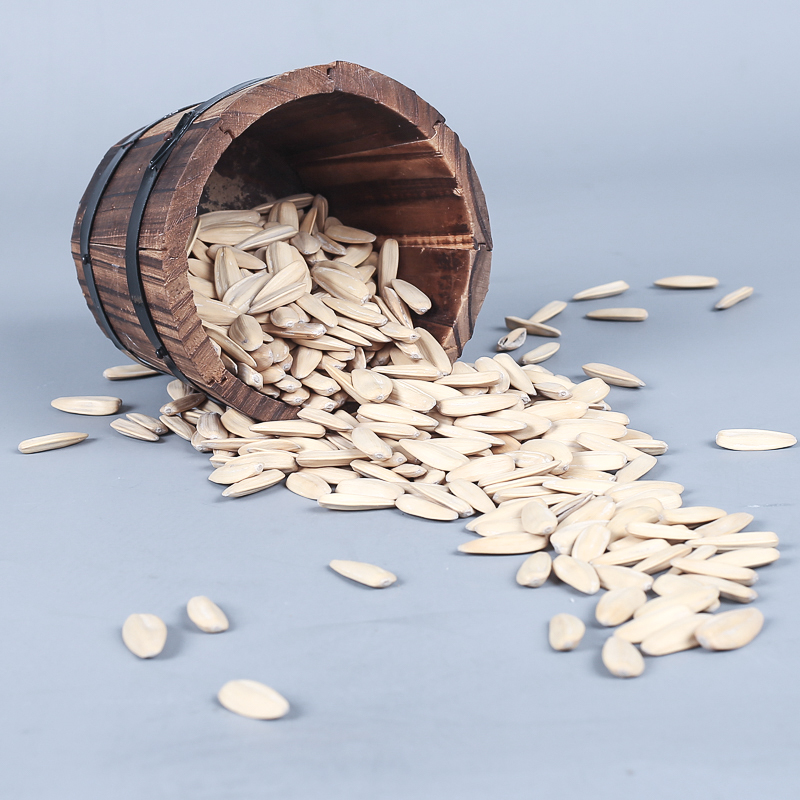
Chrysanthemum flavor sunflower seeds represent a processed snack food within the broader sunflower seed industry. Their technical position lies within the agricultural processing chain, specifically post-harvest handling, flavoring application, and packaging. Sunflower seeds ( Helianthus annuus) are inherently valued for their lipid content, protein, and micronutrients. The addition of chrysanthemum flavoring introduces a distinct aromatic and gustatory profile, altering consumer perception and market positioning. Core performance characteristics relate to seed integrity (minimizing broken kernels), flavor adhesion and stability, moisture content (influencing shelf life and texture), and overall sensory appeal. Maintaining these characteristics during processing and storage is paramount. The industry faces increasing pressure to optimize flavoring processes for cost-effectiveness, ensure flavor consistency across batches, and meet stringent food safety regulations regarding flavoring agent composition and potential allergens. This guide provides an in-depth examination of the material science, manufacturing, performance, and potential failure modes associated with chrysanthemum flavor sunflower seeds.
Material Science & Manufacturing
The primary raw material, sunflower seeds, comprises a hull (pericarp), kernel (cotyledon), and embryo. The kernel constitutes the majority of the edible portion, with a typical lipid content ranging from 40-55%, primarily linoleic acid (omega-6) and oleic acid (omega-9). Protein content is around 20-25%, and carbohydrates contribute roughly 15-20%. The hull provides structural integrity but is typically removed during processing. Chrysanthemum flavoring is a complex mixture of volatile organic compounds (VOCs) extracted from chrysanthemum flowers (primarily Chrysanthemum morifolium). Key compounds include germacrene D, beta-caryophyllene, and various esters. The flavoring is typically delivered as a powder or liquid concentrate containing carrier agents like maltodextrin or gum arabic.
Manufacturing involves several critical stages. First, seeds undergo cleaning, dehulling, and sizing. Dehulling is commonly achieved through impact and friction methods, requiring precise control of impact force to minimize kernel damage. Subsequent drying reduces moisture content to approximately 7-8% to inhibit microbial growth and enzymatic activity. Flavoring application is typically conducted using a rotating drum or fluidized bed coater, where the flavoring concentrate is sprayed onto the seeds while tumbling. This requires precise control of spray rate, drum speed, and air temperature to ensure uniform flavor distribution and prevent clumping. Finally, seeds are cooled, sorted (to remove any remaining hulls or damaged kernels), and packaged. Key parameter control includes maintaining optimal drying temperatures (below 60°C to prevent lipid oxidation), monitoring flavoring concentrate viscosity and surface tension for consistent spray patterns, and controlling coating weight to achieve the desired flavor intensity. Post-coating, a tempering step is often employed to allow the flavoring to adhere more fully to the seed surface.
Performance & Engineering
Performance is assessed through a combination of sensory evaluation (taste, aroma, texture) and objective measurements. Flavor adhesion strength is critical, and can be quantified using a shear force test to determine the force required to remove the flavoring coating. Environmental resistance is particularly important for maintaining flavor stability during storage. Sunflower seed lipids are susceptible to oxidation, leading to rancidity. This is accelerated by exposure to oxygen, light, and elevated temperatures. The chrysanthemum flavoring components themselves can also degrade over time, leading to loss of aroma. Packaging materials with low oxygen transmission rates (OTR) and good light barrier properties are therefore essential. Compliance requirements include adherence to food safety standards like HACCP (Hazard Analysis and Critical Control Points) and relevant regulations regarding permitted flavoring agents and maximum residue limits. Functional implementation focuses on optimizing the flavoring process to achieve a consistent flavor profile and ensuring that the seeds remain palatable and free from defects. Mechanical strength of the kernel is also a performance consideration – excessive breakage during processing or handling impacts product quality and consumer acceptance. Force analysis during dehulling dictates optimal machine settings.
Technical Specifications
| Parameter | Unit | Specification | Test Method |
|---|---|---|---|
| Moisture Content | % (w/w) | 7.0 – 8.5 | Oven Drying (AOAC 925.10) |
| Flavor Coating Weight | % (w/w) | 2.0 – 4.0 | Weight Difference after Incineration |
| Kernel Integrity (Broken Kernels) | % (by count) | ≤ 5.0 | Visual Inspection & Counting |
| Peroxide Value (Lipid Oxidation) | meq O2/kg | ≤ 10.0 | Titration (AOCS Cd 8-53) |
| Chrysanthemum Flavor Intensity | Arbitrary Units | 50 – 80 (Scale of 0-100) | Gas Chromatography-Mass Spectrometry (GC-MS) with Sensory Correlation |
| Water Activity (Aw) | – | ≤ 0.65 | Water Activity Meter (ASTM E337) |
Failure Mode & Maintenance
Common failure modes include flavor degradation (loss of aroma and taste due to oxidation of flavoring compounds or lipid rancidity), coating delamination (poor adhesion leading to uneven flavor distribution), kernel cracking (resulting from excessive mechanical stress during processing), and microbial contamination (due to inadequate moisture control or sanitation). Fatigue cracking of the kernel can occur from repeated handling. Oxidation is often accelerated by exposure to UV light. Delamination can be caused by insufficient coating adhesion, improper drying, or high humidity storage. Microbial contamination is a significant concern and necessitates strict hygiene protocols.
Maintenance strategies involve implementing a robust quality control program, including regular monitoring of moisture content, peroxide value, and flavor intensity. Proper storage conditions are crucial, utilizing airtight packaging with oxygen absorbers and UV protection. Regular cleaning and sanitation of processing equipment are essential to prevent microbial contamination. Preventive maintenance on dehulling and coating equipment can minimize kernel damage. Packaging materials should be inspected for integrity to ensure adequate barrier properties. Flavoring formulations should be optimized to enhance stability and adhesion. Shelf-life studies should be conducted to determine the optimal storage duration and identify potential degradation pathways. Root cause analysis of failure incidents is critical to prevent recurrence. Periodic calibration of instrumentation is essential for reliable data.
Industry FAQ
Q: What is the primary cause of flavor fading in chrysanthemum flavored sunflower seeds?
A: The primary cause of flavor fading is typically oxidation of the volatile chrysanthemum flavor compounds and lipid rancidity within the sunflower seed kernel. Exposure to oxygen, light, and elevated temperatures accelerates these processes. Insufficient barrier properties in the packaging material also contribute to flavor loss.
Q: How does moisture content affect the shelf life of these seeds?
A: Higher moisture content accelerates enzymatic activity and microbial growth, significantly reducing shelf life. Maintaining a moisture content between 7.0 and 8.5% is crucial for inhibiting these processes. Water activity (Aw) is an even more critical parameter, with values below 0.65 generally considered safe for long-term storage.
Q: What are the key considerations for selecting packaging materials?
A: Key considerations include oxygen transmission rate (OTR), light barrier properties, moisture barrier properties, and mechanical strength. Materials with low OTR and good light barrier properties are essential to prevent flavor degradation and lipid oxidation. The packaging should also be airtight and resistant to puncture or tearing.
Q: What quality control tests are most important during the manufacturing process?
A: Critical quality control tests include monitoring moisture content, flavor coating weight, kernel integrity (broken kernel percentage), peroxide value (to assess lipid oxidation), and sensory evaluation. Regular monitoring of these parameters ensures consistent product quality and identifies potential issues early in the process.
Q: What is the role of maltodextrin or gum arabic in the flavoring application?
A: Maltodextrin and gum arabic serve as carrier agents for the chrysanthemum flavoring concentrate. They improve the dispersion of the flavoring on the seed surface, enhance adhesion, and control the release of the flavor compounds. They also help to stabilize the flavoring and prevent clumping during application.
Conclusion
Chrysanthemum flavor sunflower seeds represent a complex intersection of agricultural processing, flavor chemistry, and materials science. Maintaining product quality and extending shelf life requires meticulous control of manufacturing parameters, including seed preparation, flavoring application, and packaging. Understanding the inherent vulnerabilities of sunflower seed lipids and chrysanthemum flavor compounds to oxidation and degradation is critical for developing effective preservation strategies. Implementing robust quality control measures and adhering to stringent food safety regulations are paramount.
Future developments in this area are likely to focus on novel flavoring encapsulation technologies, optimized packaging materials with enhanced barrier properties, and advanced analytical techniques for assessing flavor stability and predicting shelf life. The adoption of sustainable sourcing practices for both sunflower seeds and chrysanthemum flowers will also be increasingly important to meet consumer demand for environmentally responsible products. Continued research into the optimal balance between flavor intensity, stability, and cost-effectiveness will drive innovation within the industry.
