Introduction
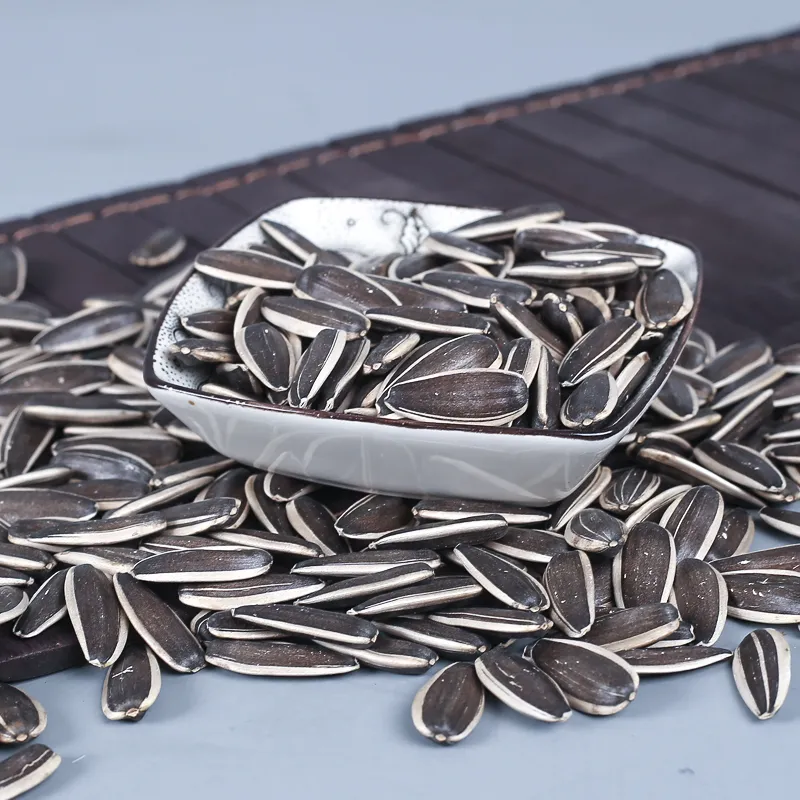
Chrysanthemum flavor sunflower seeds represent a significant segment within the broader processed snack food industry. These seeds are not merely a confectionery item; they are a product of complex agricultural processing, flavoring technology, and stringent quality control. Positioned between raw agricultural output and consumer packaged goods, manufacturers of chrysanthemum flavor sunflower seeds face unique challenges in raw material sourcing, flavor encapsulation, maintaining kernel integrity, and ensuring product shelf-life. The demand for flavored sunflower seeds is driven by consumer preferences for convenient, flavorful snacks, particularly in Asia. Core performance characteristics are centered around seed size and weight consistency, flavor adhesion uniformity, optimal moisture content, and minimal shell fragmentation. This technical guide provides a comprehensive overview of the materials science, manufacturing processes, performance parameters, potential failure modes, and relevant industry standards associated with the production of high-quality chrysanthemum flavor sunflower seeds.
Material Science & Manufacturing
The primary raw material is, of course, the sunflower seed (Helianthus annuus). Seed varieties are selected based on kernel size, oil content (affecting flavor uptake), and hull characteristics (influencing processing efficiency). Hulls typically contain 38-58% fiber, impacting shellability and final product texture. Flavoring relies heavily on the encapsulation of chrysanthemum extract, typically derived from Chrysanthemum morifolium. This extract comprises a complex mixture of flavonoids, terpenes, and phenolic acids, contributing to its distinct aroma and taste. Encapsulation utilizes materials like maltodextrin, modified starch, and gum arabic, selected for their ability to protect volatile flavor compounds from oxidation and evaporation.
Manufacturing begins with cleaning and grading the sunflower seeds to remove foreign materials and size-sort the kernels. De-hulling is a critical step, often employing mechanical methods involving abrasive surfaces or impact forces. Careful control of de-hulling pressure is essential to minimize kernel breakage. Post-de-hulling, the seeds undergo roasting, typically in rotating drum roasters. Roasting temperature (140-180°C) and duration (20-40 minutes) are carefully controlled to develop optimal flavor and crispness while preventing scorching. Following roasting, seeds are cooled and then subjected to flavor coating. This is typically achieved through spray coating or tumbling in a rotating drum with the chrysanthemum flavor encapsulate. The encapsulate is often applied as an aqueous solution containing a binding agent to ensure adhesion. Finally, the coated seeds are dried to reduce moisture content to a target of 1.5-2.5% to maximize shelf life. Critical parameters include maintaining uniform roasting temperature, controlling the viscosity and spray rate of the flavor coating, and ensuring adequate drying to prevent microbial growth.
Performance & Engineering
Performance is multi-faceted. From an engineering perspective, force analysis is crucial during de-hulling to optimize shell removal while minimizing kernel damage. The impact force must be sufficient to fracture the hull but below the threshold that causes kernel cracking. Environmental resistance focuses on moisture barrier properties of the packaging material (typically multi-layer films containing polyethylene and aluminum foil) to prevent moisture regain and flavor degradation. Sunflower seeds are hygroscopic, meaning they readily absorb moisture from the environment, leading to softening and reduced crispness. Compliance requirements pertain to food safety regulations (HACCP, GMP) and labeling standards. Flavor intensity must be consistent and accurately reflect the declared chrysanthemum concentration. Furthermore, the seeds must meet specifications for aflatoxin levels (a potent mycotoxin produced by Aspergillus fungi) as outlined by regulatory bodies. Functional implementation – delivering the desired flavor experience – relies on proper flavor encapsulation and release. The encapsulate must protect the flavor during storage and processing but allow for controlled release upon mastication.
Technical Specifications
| Parameter | Unit | Specification | Test Method |
|---|---|---|---|
| Moisture Content | % (w/w) | 1.5 – 2.5 | Karl Fischer Titration (GB/T 5005-2008) |
| Kernel Damage (Broken/Chipped) | % (by weight) | ≤ 5 | Visual Inspection & Sieving |
| Flavor Adhesion | % (Retention) | ≥ 95 | Solvent Extraction & Spectrophotometry |
| Aflatoxin Level (Total) | ppb | ≤ 20 | HPLC-MS/MS (GB 50007-2014) |
| Oil Content | % (w/w) | 48 – 55 | Soxhlet Extraction (GB/T 6492-2008) |
| Chrysanthemum Flavor Intensity | Arbitrary Units (AU) | 80 – 120 (based on a standardized panel) | Sensory Evaluation (GB/T 17204-1998) |
Failure Mode & Maintenance
Common failure modes include rancidity due to lipid oxidation, flavor loss due to volatilization or degradation of the chrysanthemum extract, softening due to moisture regain, and physical damage (cracking, chipping) during handling and transportation. Rancidity is accelerated by exposure to oxygen, light, and elevated temperatures. Flavor loss is influenced by the effectiveness of the encapsulation process and the permeability of the packaging. Moisture regain leads to textural changes and can promote microbial growth. Fatigue cracking can occur in the shells during processing if the de-hulling force is not properly controlled. Maintenance involves implementing strict quality control procedures at each stage of production, employing appropriate packaging materials (oxygen and moisture barriers), and storing the finished product in a cool, dry, and dark environment. Regular monitoring of moisture content, peroxide value (an indicator of rancidity), and sensory characteristics is crucial. Preventive maintenance of roasting and coating equipment is essential to maintain process consistency. Addressing aflatoxin contamination requires stringent raw material sourcing protocols and regular testing.
Industry FAQ
Q: What are the critical control points for minimizing aflatoxin contamination?
A: The most critical control points are raw material sourcing, thorough cleaning and grading of sunflower seeds, and adherence to proper storage conditions. Seeds should be sourced from regions with low aflatoxin prevalence and regularly tested. Damaged kernels, which are more susceptible to fungal growth, should be removed during grading. Storage facilities must be dry, well-ventilated, and protected from pests.
Q: How does the roasting process impact flavor development and stability?
A: Roasting develops the characteristic sunflower seed flavor and contributes to flavor adhesion. However, excessive roasting can lead to scorching and the formation of undesirable off-flavors. The roasting temperature and duration must be optimized to balance flavor development with product quality. The Maillard reaction plays a significant role in flavor formation during roasting.
Q: What are the benefits of using different encapsulation materials for the chrysanthemum flavor?
A: Different encapsulation materials offer varying levels of flavor protection and release characteristics. Maltodextrin provides good flavor retention but may have limited long-term stability. Modified starch offers improved stability but can affect the texture. Gum arabic provides excellent flavor encapsulation and release, but can be more expensive.
Q: How can we ensure consistent flavor adhesion across batches?
A: Consistent flavor adhesion requires precise control of the coating process, including the viscosity of the flavor encapsulate, the spray rate, the drum speed, and the drying temperature. Regular calibration of coating equipment and monitoring of these parameters are essential. The surface area of the seeds must be consistent to ensure uniform coating.
Q: What packaging materials provide the best barrier properties for extended shelf life?
A: Multi-layer films consisting of polyethylene (PE), aluminum foil, and polyester (PET) offer the best barrier properties against moisture, oxygen, and light. Aluminum foil is particularly effective at blocking oxygen transmission. The thickness of each layer and the sealing integrity are also critical factors.
Conclusion
The production of chrysanthemum flavor sunflower seeds is a complex process requiring careful control of material science principles, manufacturing parameters, and quality assurance procedures. Achieving optimal product performance necessitates understanding the interplay between sunflower seed characteristics, flavor encapsulation technology, and packaging integrity. Addressing potential failure modes, such as rancidity, flavor loss, and aflatoxin contamination, demands rigorous quality control and adherence to industry best practices.
Future advancements in this field may focus on developing more sustainable encapsulation materials, optimizing roasting techniques to minimize energy consumption and off-flavor formation, and implementing advanced packaging solutions to further extend shelf life and reduce food waste. Continuous monitoring of regulatory standards and consumer preferences will also be crucial for maintaining a competitive edge in the evolving snack food market.
