Introduction
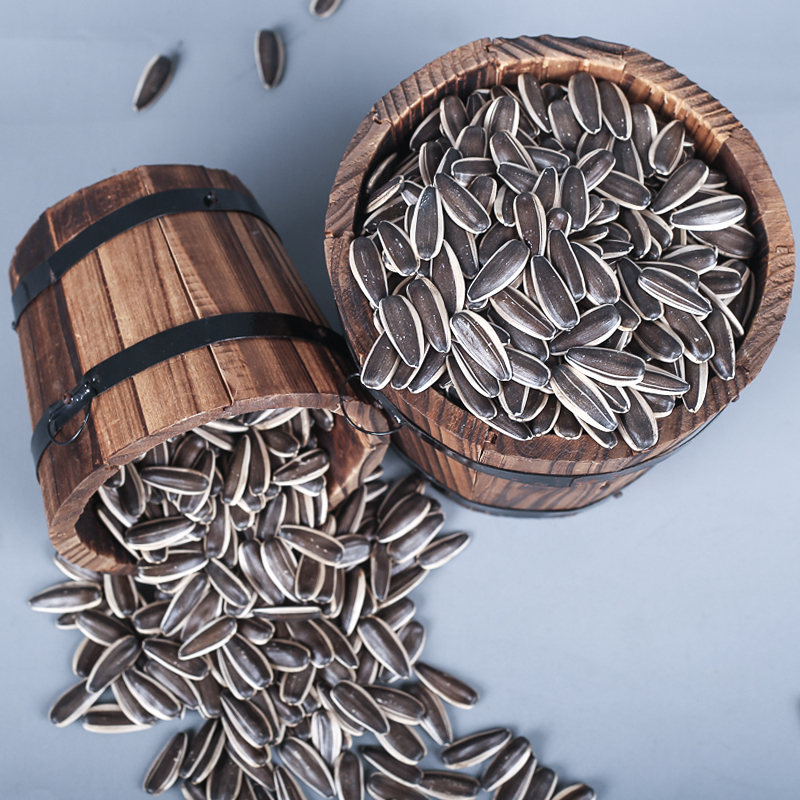
Chrysanthemum flavor sunflower seeds represent a specialized segment within the broader sunflower seed processing industry, focusing on the application of flavoring compounds to enhance consumer appeal. This technical guide details the manufacturing processes, material science, performance characteristics, and potential failure modes associated with producing high-quality chrysanthemum flavored sunflower seeds, geared towards B2B industrial clients. Sunflower seeds, inherently possessing a desirable oil content and protein profile, serve as an excellent substrate for flavor encapsulation. The addition of chrysanthemum flavoring aims to provide a unique aromatic and gustatory experience, differentiating the product in a competitive market. Core performance metrics center around flavor adhesion, seed integrity, shelf life, and compliance with food safety regulations. The industry faces challenges related to maintaining flavor consistency, preventing rancidity, and ensuring minimal seed damage during processing and handling.
Material Science & Manufacturing
The primary raw material, sunflower seeds ( Helianthus annuus), consists of approximately 34-58% oil, 20-25% protein, and 10-15% carbohydrates, alongside vitamins and minerals. Seed quality, specifically oil content and moisture level (typically 8-10%), significantly impacts flavor adhesion and overall product quality. The chrysanthemum flavoring itself is a complex mixture of volatile organic compounds (VOCs) extracted from Chrysanthemum morifolium flowers. Key VOCs include germacrene D, beta-caryophyllene, and various esters. Manufacturing begins with seed selection, cleaning, dehulling, and drying. Dehulling, often employing abrasive or impact methods, removes the outer shell without damaging the kernel. Drying reduces moisture content to below 7% to inhibit microbial growth and enhance shelf life. Flavoring is typically applied via a tumbling or fluidized bed process, utilizing a carrier material (e.g., maltodextrin, gum arabic) to improve adhesion and distribution. Key parameters include flavoring concentration (typically 1-3% by weight), tumbling speed, and residence time. Encapsulation techniques, such as spray drying or extrusion, may be employed for sustained flavor release. Post-flavoring, seeds undergo quality control checks, including moisture content, flavor intensity, and visual inspection, before packaging in moisture-barrier films (typically multi-layer polyethylene or polypropylene).
Performance & Engineering
Performance assessment centers around flavor retention, shelf-life stability, and mechanical integrity of the seeds. Flavor retention is primarily governed by the vapor pressure of the chrysanthemum VOCs and the permeability of the packaging film. Higher vapor pressures lead to faster flavor loss, necessitating robust barrier properties in the packaging material. Shelf-life studies, conducted under accelerated conditions (elevated temperature and humidity), determine the rate of rancidity development, flavor degradation, and seed deterioration. Rancidity, caused by lipid oxidation, is quantified via Peroxide Value (PV) and Anisidine Value (AV) measurements. Mechanical integrity, assessed through impact testing and abrasion resistance, is crucial to minimize seed breakage during handling and transport. Force analysis dictates optimal impeller speeds during flavoring to avoid seed cracking. Environmental resistance tests evaluate the product’s stability under varying temperature and humidity conditions. Compliance requirements include adherence to food safety standards (e.g., HACCP), labeling regulations (e.g., allergen declarations), and permissible levels of flavoring compounds as defined by regulatory bodies (e.g., FDA, EFSA).
Technical Specifications
| Parameter | Unit | Specification | Test Method |
|---|---|---|---|
| Moisture Content | % w/w | ≤ 7.0 | Oven Drying (GB 5005-2008) |
| Oil Content | % w/w | 40-50 | Soxhlet Extraction (GB 649-1986) |
| Flavor Intensity (Chrysanthemum) | ppm | 1500-2500 | Gas Chromatography-Mass Spectrometry (GC-MS) |
| Peroxide Value (PV) | meq O2/kg | ≤ 5.0 | AOCS Cd 8-53 |
| Anisidine Value (AV) | units | ≤ 10.0 | AOCS Cd 8-53 |
| Seed Damage (Broken/Split Seeds) | % w/w | ≤ 2.0 | Visual Inspection (GB/T 16493-1996) |
Failure Mode & Maintenance
Common failure modes include flavor fading, rancidity, seed cracking, and packaging degradation. Flavor fading results from the diffusion of volatile chrysanthemum compounds through the packaging film. Rancidity, a primary cause of off-flavor development, is initiated by lipid oxidation, accelerated by exposure to oxygen, light, and heat. Seed cracking occurs during handling or processing due to excessive impact forces. Packaging degradation, manifesting as loss of barrier properties, leads to increased moisture ingress and oxygen exposure. Maintenance strategies focus on optimizing packaging materials, controlling storage conditions (temperature, humidity, light exposure), and implementing rigorous quality control procedures. Antioxidants (e.g., BHA, BHT) can be incorporated into the formulation to inhibit lipid oxidation. Modified Atmosphere Packaging (MAP), utilizing nitrogen flushing, reduces oxygen levels within the package. Proper storage in a cool, dry, and dark environment minimizes degradation. Regular monitoring of PV and AV values provides an early indication of rancidity development. Routine inspection of packaging integrity ensures barrier properties are maintained. Preventative maintenance on processing equipment minimizes seed damage.
Industry FAQ
Q: What is the optimal carrier material for chrysanthemum flavor adhesion to sunflower seeds?
A: Maltodextrin and gum arabic are commonly used carrier materials due to their excellent adhesion properties, cost-effectiveness, and ability to encapsulate flavor compounds. Maltodextrin offers good dispersibility and film-forming capabilities, while gum arabic provides a natural and stable matrix. The choice depends on the specific flavor formulation and desired release profile. Optimization often involves experimenting with different carrier concentrations and ratios.
Q: How does the moisture content of the sunflower seeds affect flavor retention?
A: Lower moisture content (below 7%) is crucial for maximizing flavor retention. Excess moisture accelerates chemical reactions, including lipid oxidation and flavor degradation. It also increases the mobility of volatile flavor compounds, promoting their loss through the packaging film. Thorough drying of the seeds prior to flavoring is essential.
Q: What packaging materials provide the best barrier against oxygen and moisture?
A: Multi-layer films combining polyethylene (PE), polypropylene (PP), and ethylene vinyl alcohol (EVOH) offer superior barrier properties. EVOH is particularly effective at blocking oxygen permeation. Aluminum foil laminates provide the highest level of protection but are more expensive. Metallized films also offer a good balance of barrier performance and cost.
Q: What methods can be used to monitor the development of rancidity in sunflower seeds?
A: Peroxide Value (PV) and Anisidine Value (AV) are standard methods for monitoring rancidity. PV measures the initial oxidation products, while AV quantifies the secondary oxidation products. Gas Chromatography-Mass Spectrometry (GC-MS) can also be used to identify specific oxidation byproducts. Regular monitoring of these parameters provides an early warning of flavor deterioration.
Q: Are there any specific regulatory considerations regarding the use of chrysanthemum flavoring in food products?
A: Regulatory compliance varies by region. In the US, chrysanthemum flavoring is generally recognized as safe (GRAS) but must comply with FDA regulations regarding food additives and labeling requirements. In Europe, EFSA assesses the safety of flavoring substances. Manufacturers must ensure that the chrysanthemum flavoring used meets purity standards and that permissible levels are not exceeded. Allergen declarations are also required if the flavoring contains any allergenic substances.
Conclusion
The production of chrysanthemum flavored sunflower seeds demands precise control over material selection, manufacturing processes, and packaging techniques. Maintaining flavor integrity and preventing rancidity are paramount concerns, requiring stringent quality control measures and optimized storage conditions. Understanding the interplay between seed composition, flavor chemistry, and packaging properties is essential for delivering a high-quality, shelf-stable product.
Future advancements may focus on utilizing novel encapsulation technologies, such as nano-emulsions, to enhance flavor retention and controlled release. Exploring sustainable packaging materials and optimizing the supply chain to minimize transportation time and temperature fluctuations will also contribute to improved product quality and reduced environmental impact. The continued refinement of analytical techniques for monitoring oxidation and flavor degradation will enable proactive quality control and ensure consistent product performance.
