Introduction
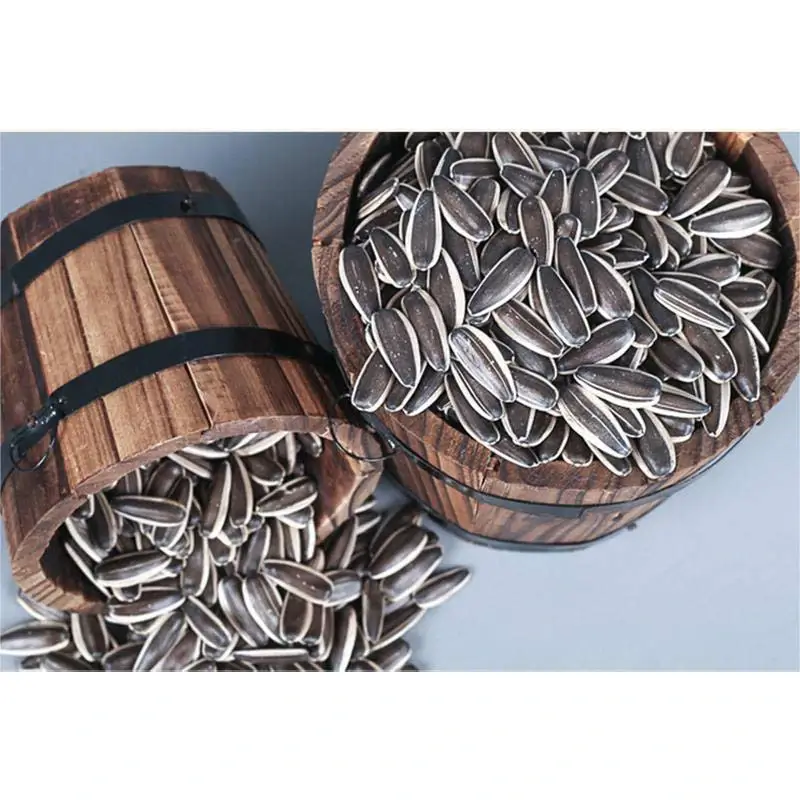
Chrysanthemum flavor sunflower seeds represent a significant segment within the broader flavored seed market, demanding specialized manufacturing processes to achieve consistent flavor infusion and maintain seed quality. These seeds occupy a unique position in the snack food industry, bridging the gap between traditional sunflower seeds and more contemporary, value-added snack products. Production necessitates a rigorous understanding of both sunflower seed processing and flavor encapsulation technology. The core performance characteristics influencing market acceptance center around flavor intensity and uniformity, seed integrity (minimizing broken or damaged kernels), and acceptable moisture content to ensure extended shelf life and prevent microbial growth. This guide provides a comprehensive technical overview of chrysanthemum flavor sunflower seed production, encompassing material science, manufacturing parameters, performance engineering, quality control, potential failure modes, and relevant industry standards.
Material Science & Manufacturing
The foundational material is, of course, the sunflower seed ( Helianthus annuus). Seed quality is paramount, determined by kernel size, oil content (typically 40-50%), protein content (around 20-25%), and moisture content (ideally below 10% for storage). Varieties bred for larger kernel size are preferred. The ‘chrysanthemum flavor’ is not derived from actual chrysanthemum flowers; it's a complex blend of synthetic aroma compounds (esters, aldehydes, and terpenes) designed to mimic the floral and slightly sweet notes associated with chrysanthemum tea. These compounds are typically encapsulated in a carrier material like maltodextrin or gum arabic for controlled release and stability.
Manufacturing proceeds through several key stages: Cleaning and Grading: Removing debris, broken kernels, and foreign materials using sieves and air classification. Dehulling: Removing the outer hull, often mechanically, requiring precise control of impact force to avoid kernel damage. Roasting: Applying controlled heat (typically 120-150°C) to develop flavor and reduce moisture content. This stage critically impacts texture and flavor profile. Flavor Application: This is the core process, employing techniques like tumble coating or spray coating. Tumble coating involves spraying the flavor encapsulation mixture onto the roasted seeds while agitating them in a rotating drum. Spray coating uses atomized flavor solutions applied to the seeds in a controlled environment. Cooling & Packaging: Rapid cooling to stabilize the flavor coating followed by packaging in moisture-proof materials (typically metallized films) to prevent flavor degradation and moisture uptake. Parameter control at each stage – roasting temperature, coating solution viscosity, drum speed, coating weight – dictates final product quality.
Performance & Engineering
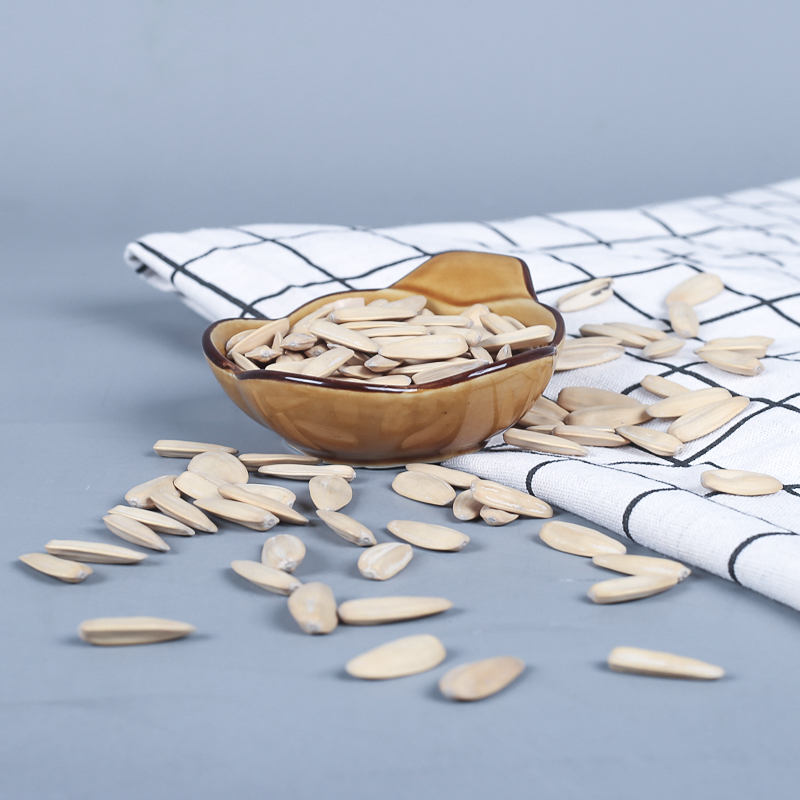
The structural integrity of the seed coating is a critical performance parameter. The coating must adhere sufficiently to the seed kernel to withstand handling during packaging, transport, and consumer use, preventing flavor loss. Force analysis reveals that the coating experiences shear stress during handling; adhesion strength must exceed this stress. Environmental resistance is crucial. Exposure to humidity can lead to caking and flavor degradation. The coating's water activity (aw) must be maintained below 0.6 to inhibit microbial growth. Furthermore, the flavor compounds themselves are susceptible to oxidation. Packaging materials with oxygen barrier properties (OTR < 1 cm3/m2/day) are essential. Compliance requirements vary by region but generally involve adherence to food safety standards (HACCP) and regulations regarding permitted food additives and flavoring agents. The uniformity of flavor distribution is assessed via sensory panels and chromatographic analysis to ensure consistent product experience. The long-term stability of the flavor encapsulation system is evaluated through accelerated aging studies, monitoring flavor release and sensory attributes over time.
Technical Specifications
| Parameter | Unit | Specification | Test Method |
|---|---|---|---|
| Moisture Content | % | ≤ 8.0 | Oven Drying (AOAC 925.10) |
| Flavor Coating Weight | % | 3.0 - 5.0 | Gravimetric Analysis |
| Sunflower Seed Kernel Integrity | % Broken Kernels | ≤ 2.0 | Visual Inspection & Sieve Analysis |
| Water Activity (aw) | Unitless | ≤ 0.6 | Water Activity Meter (e.g., Rotronic) |
| Flavor Intensity (Chrysanthemum) | Arbitrary Units | 80 - 120 | Gas Chromatography-Mass Spectrometry (GC-MS) |
| Packaging Oxygen Transmission Rate (OTR) | cm3/m2/day | < 1.0 | Oxygen Permeation Testing (ASTM D3985) |
Failure Mode & Maintenance
Common failure modes include: Flavor Loss: Degradation of flavor compounds due to oxidation or volatilization, leading to a diminished taste profile. This is often accelerated by improper packaging or prolonged storage. Coating Delamination: Loss of adhesion between the flavor coating and the seed kernel, resulting in uneven flavor distribution and a visually unappealing product. This can be caused by insufficient coating adhesion, excessive moisture, or mechanical stress. Kernel Damage: Cracked or broken kernels resulting from excessive force during dehulling or roasting, affecting texture and increasing susceptibility to rancidity. Microbial Growth: Contamination by molds or bacteria due to high moisture content or improper sanitation, leading to spoilage and potential health hazards. Rancidity: Oxidation of oils within the seed kernel, resulting in an off-flavor and odor.
Preventative maintenance includes: Regular calibration of roasting and coating equipment. Strict adherence to sanitation protocols to minimize microbial contamination. Quality control checks at each stage of production to identify and remove damaged kernels. Storage of raw materials and finished products in cool, dry conditions. Regular monitoring of packaging integrity. Implementing a First-In, First-Out (FIFO) inventory management system to minimize storage time. Periodic inspections of equipment for wear and tear, replacing parts as needed. Training personnel on proper operating procedures and quality control measures.
Industry FAQ
Q: What is the optimal roasting profile for maximizing flavor retention during chrysanthemum flavor application?
A: The optimal roasting profile involves a two-stage process. Initial roasting at 130-140°C for 10-15 minutes to develop the base sunflower seed flavor, followed by a lower-temperature finishing stage at 110-120°C for 5-7 minutes to reduce moisture content without causing excessive oil oxidation. Precise control of the roasting time and temperature is crucial to avoid scorching and maintain flavor integrity.
Q: How do you ensure uniform flavor distribution across the entire batch of seeds?
A: Uniform flavor distribution is achieved through several factors. Proper mixing during the tumble coating process, ensuring all seed surfaces are adequately exposed to the flavor solution. Controlling the spray rate and droplet size during spray coating. Monitoring the coating weight distribution across multiple samples from the batch. Implementing a quality control check involving sensory evaluation to assess flavor uniformity.
Q: What are the key considerations when selecting packaging materials for chrysanthemum flavor sunflower seeds?
A: Packaging materials must provide excellent moisture barrier properties to prevent caking and flavor degradation. Oxygen barrier properties are crucial to minimize oxidation of flavor compounds and oils. The material should also be food-grade and compliant with relevant regulations. Metallized films with a low OTR (<1 cm3/m2/day) and a low water vapor transmission rate (WVTR < 3 g/m2/day) are generally preferred.
Q: What analytical methods are used to quantify the concentration of chrysanthemum flavor compounds?
A: Gas Chromatography-Mass Spectrometry (GC-MS) is the primary analytical method used to identify and quantify the individual flavor compounds present in the coating. Sensory analysis, using trained panels, is also employed to assess the overall flavor intensity and profile. High-Performance Liquid Chromatography (HPLC) can be used for quantifying specific compounds, particularly those less volatile.
Q: What are the common causes of coating cracking and how can it be prevented?
A: Coating cracking is typically caused by thermal shock during cooling, excessive handling stress, or an incompatible coating formulation. Prevention strategies include: Gradual cooling after coating application, minimizing mechanical stress during packaging and transport, using a flexible coating formulation that can withstand stress, and optimizing the coating viscosity to ensure uniform coverage and adhesion.
Conclusion
The production of chrysanthemum flavor sunflower seeds requires a nuanced understanding of material science, precise process control, and rigorous quality assurance. Achieving a consistently high-quality product hinges on optimizing the roasting profile, ensuring uniform flavor application, selecting appropriate packaging materials, and implementing effective preventative maintenance procedures. The complexities of flavor encapsulation and the inherent variability of natural seeds necessitate a commitment to detailed analysis and continuous improvement.
Future advancements in this sector will likely focus on novel flavor encapsulation technologies, such as microencapsulation and nanoencapsulation, to enhance flavor retention and controlled release. The development of more sustainable packaging materials and optimized processing techniques to minimize energy consumption and waste generation will also be critical. Ultimately, success in the chrysanthemum flavor sunflower seed market demands a dedication to technical excellence and a proactive approach to addressing evolving consumer preferences and regulatory requirements.
