Introduction
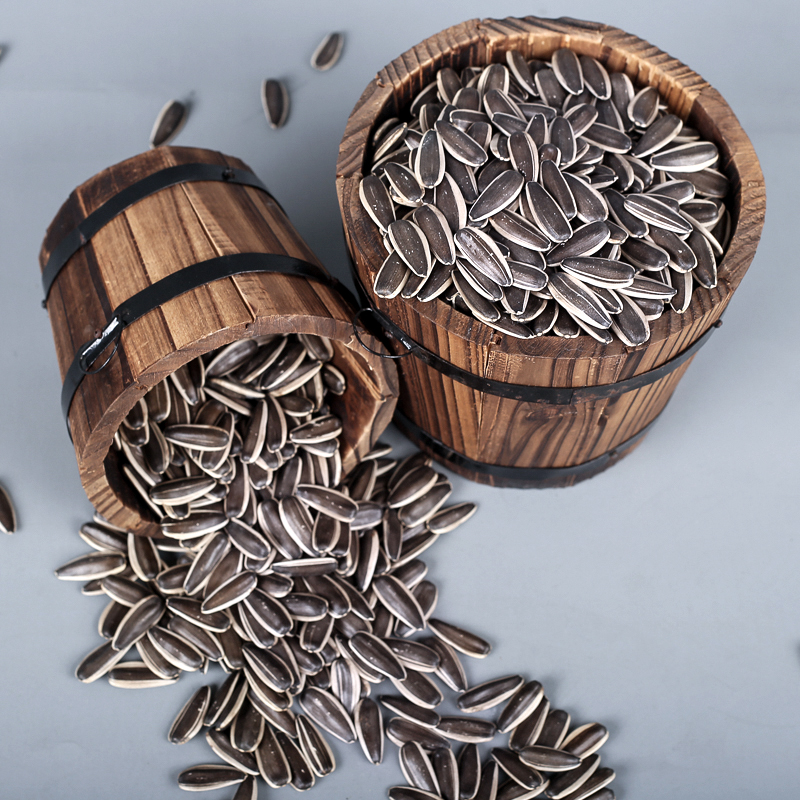
Chrysanthemum flavor sunflower seeds represent a processed agricultural product within the broader snack food industry, specifically positioned as a flavored seed. The manufacturing process involves the cultivation of sunflower seeds, followed by flavor infusion and packaging for both domestic and international markets. These seeds are distinguished by their unique flavor profile derived from chrysanthemum extracts, and compete with other flavored seeds, nuts, and snack options. Core performance metrics center around flavor consistency, seed integrity (minimizing broken kernels), moisture content to prevent rancidity, and adherence to food safety standards. The primary industry pain point is maintaining consistent flavor delivery alongside rigorous quality control, particularly regarding mycotoxin levels and potential allergen contamination. Effective export requires meeting diverse international regulations regarding permissible food additives and labeling requirements. This guide will provide a detailed technical overview of the materials, manufacturing, performance characteristics, potential failure modes, and relevant standards for chrysanthemum flavor sunflower seeds.
Material Science & Manufacturing
The core raw material is the sunflower seed (Helianthus annuus), typically of the black oilseed variety. These seeds are characterized by approximately 40-50% oil content (primarily linoleic acid), 20-30% protein, and significant levels of Vitamin E. Manufacturing begins with seed cleaning and grading to remove foreign matter. The critical step is flavor infusion, achieved via a multi-stage process. First, a carrier substance—typically a food-grade vegetable oil (sunflower, soybean, or rapeseed oil) is blended with concentrated chrysanthemum extract, derived via solvent extraction or supercritical CO2 extraction. The extract composition will dictate the intensity and authenticity of the chrysanthemum flavor. This oil mixture is then applied to the sunflower seeds through a tumbling or coating process. Precise control of temperature (typically 40-60°C) and coating time (30-60 minutes) is vital to ensure even flavor distribution and prevent seed damage. Following coating, the seeds undergo drying, typically using a fluidized bed dryer to reduce moisture content to <8% to prevent microbial growth and maintain crispness. Finally, the seeds are packaged in moisture-barrier packaging materials (discussed further in Performance & Engineering) to extend shelf life. Quality control at each stage, including HPLC analysis for chrysanthemum marker compounds and moisture content analysis via Karl Fischer titration, is crucial.
Performance & Engineering
Performance evaluation centers on several key areas. Flavor stability is paramount, assessed through sensory panels over accelerated aging studies (40°C/75% RH for 4 weeks). The objective is to quantify flavor degradation and identify potential off-flavor development. Mechanical integrity of the seeds—resistance to breakage during handling and transport—is determined via compression testing and impact resistance testing. Seeds should exhibit sufficient hardness to withstand typical handling. Barrier properties of the packaging materials are critical. Oxygen Transmission Rate (OTR) should be <10 cc/m²/day to prevent oxidative rancidity of the oils. Water Vapor Transmission Rate (WVTR) should be <3 g/m²/day to maintain seed crispness. Packaging materials typically consist of multi-layer laminates incorporating polyethylene (PE), polypropylene (PP), and aluminum foil. Regulatory compliance is a significant engineering consideration. Adherence to FDA regulations (US), EFSA regulations (Europe), and GB standards (China) regarding permissible food additives, heavy metal limits, and mycotoxin levels (aflatoxins, ochratoxin A) is non-negotiable. Furthermore, packaging materials must comply with regulations regarding food contact materials. Force analysis related to packaging is important for preventing damage during shipping. Drop tests and vibration tests are conducted to evaluate packaging durability.
Technical Specifications
| Parameter | Unit | Specification | Test Method |
|---|---|---|---|
| Moisture Content | % | ≤ 8.0 | Karl Fischer Titration (GB 5005-2008) |
| Oil Content | % | 40-50 | Soxhlet Extraction (GB/T 5005-2008) |
| Chrysanthemum Flavor Intensity | Arbitrary Units | 50-80 (Sensory Panel) | Sensory Evaluation (GB/T 17204-1998) |
| Broken Kernel Rate | % | ≤ 5.0 | Visual Inspection & Sieving |
| Aflatoxin B1 | µg/kg | ≤ 2.0 | HPLC-FLD (GB 5005-2008) |
| Ochratoxin A | µg/kg | ≤ 3.0 | HPLC-FLD (GB 5005-2008) |
Failure Mode & Maintenance
Common failure modes include flavor degradation (loss of chrysanthemum aroma and taste), rancidity due to lipid oxidation, seed breakage during handling, and moisture absorption leading to loss of crispness. Rancidity is a primary concern, driven by the unsaturated fatty acids present in the sunflower oil. Protective packaging and antioxidant additives (e.g., Vitamin E, BHA/BHT – subject to regulatory limitations) are employed to mitigate this. Seed breakage can occur during processing, packaging, or transportation due to impact or compression. Improved packaging design and careful handling procedures are essential. Microbial contamination, specifically mold growth, can lead to mycotoxin production. Maintaining low moisture content and hygienic processing conditions are crucial preventative measures. Delamination of the flavor coating is another potential issue, resulting from inadequate adhesion or improper drying. Optimizing coating parameters and using appropriate adhesive agents are necessary. Maintenance practices focus on regular cleaning and sanitation of processing equipment, proper storage of raw materials and finished products (cool, dry, dark conditions), and rigorous quality control testing throughout the production process. Shelf-life extension can be achieved through modified atmosphere packaging (MAP) using nitrogen flushing to reduce oxygen levels.
Industry FAQ
Q: What are the critical considerations regarding mycotoxin levels for export to the European Union?
A: The EU has stringent regulations on mycotoxin levels in food products. For sunflower seeds, aflatoxin B1 is the primary concern, with a maximum permissible limit of 2.0 µg/kg. Ochratoxin A also has a limit of 3.0 µg/kg. Regular testing using validated methods (HPLC-FLD) is crucial, and certificates of analysis from accredited laboratories are typically required for import clearance. Exporters must demonstrate a robust HACCP plan addressing mycotoxin prevention and control.
Q: How does the type of chrysanthemum extract affect the final flavor profile and stability?
A: The source and extraction method significantly impact the flavor. Extracts derived from specific chrysanthemum cultivars will exhibit different aromatic compounds. Solvent extraction (e.g., ethanol) may result in a stronger, more concentrated flavor but could leave residual solvent traces, necessitating careful quality control. Supercritical CO2 extraction is a cleaner, more environmentally friendly method but may yield a less intense flavor. The concentration of key flavor compounds (e.g., terpenes, esters) must be quantified using GC-MS to ensure consistency.
Q: What packaging materials are most effective at preventing rancidity during long-term storage?
A: Multi-layer laminates incorporating aluminum foil are highly effective due to their excellent barrier properties against oxygen and moisture. Metalized PET film can offer a cost-effective alternative, but typically provides lower barrier protection. The inclusion of a desiccant packet within the packaging can further reduce moisture content and extend shelf life. Vacuum packaging or modified atmosphere packaging (MAP) with nitrogen flushing are also recommended.
Q: What are the key differences in food additive regulations between the US FDA and Chinese GB standards?
A: The US FDA maintains a positive list of approved food additives, while Chinese GB standards have their own list, which differs in some respects. For example, certain colorants or preservatives permitted in the US may be restricted or prohibited in China. It’s crucial to verify the compliance of all ingredients with the specific regulations of the target export market. Labeling requirements also differ significantly.
Q: How is seed breakage minimized during the coating process?
A: Minimizing seed breakage requires precise control of several parameters. Coating drum speed should be optimized to avoid excessive abrasion. The coating solution viscosity must be appropriate to ensure uniform coverage without applying excessive force. Temperature control is also crucial; excessively high temperatures can make the seeds brittle. Regular inspection of the coating equipment for worn parts or damage is essential.
Conclusion
The production of chrysanthemum flavor sunflower seeds necessitates a meticulous approach to material selection, manufacturing process control, and packaging. Maintaining consistent flavor intensity, preventing rancidity, and ensuring compliance with stringent international food safety regulations are the core technical challenges. Effective quality control, utilizing analytical techniques such as HPLC, GC-MS, and Karl Fischer titration, is paramount throughout the entire supply chain.
Future trends likely include the development of more sustainable packaging materials, improved extraction techniques for chrysanthemum flavor, and the application of advanced sensory analysis tools for objective flavor profiling. Optimizing the process for flavor retention and minimizing waste will be key to enhancing competitiveness in the global snack food market. Continued adherence to evolving international standards is essential for maintaining market access.
