Introduction
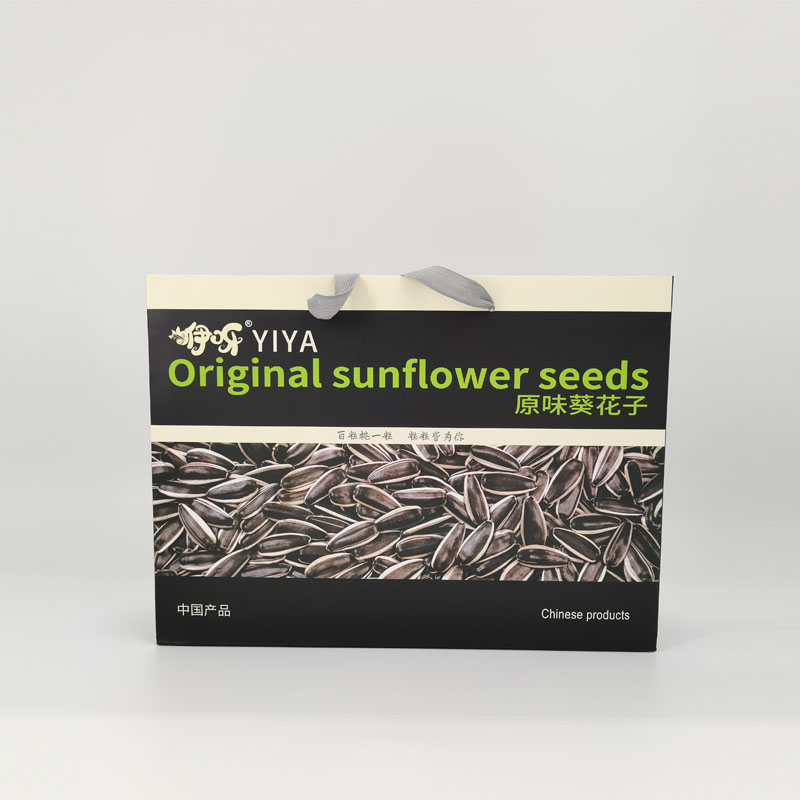
Sunflower seeds, Helianthus annuus, represent a globally significant agricultural commodity used extensively in food processing, animal feed, and oil extraction. The procurement of sunflower seeds for industrial applications necessitates a nuanced understanding of seed quality, agronomic practices, and logistical considerations. This guide provides a comprehensive technical overview for procurement managers and engineers seeking to establish reliable supply chains for sunflower seeds, focusing on the critical parameters influencing processing efficiency and end-product quality. The industry faces increasing demands for traceability, sustainable sourcing, and consistent seed characteristics – parameters this guide will address in detail. We will examine key performance indicators related to oil content, protein levels, moisture content, and contaminant profiles, outlining methods for ensuring supplier adherence to stringent quality standards. This document serves as a technical reference point for mitigating risks and optimizing procurement strategies within the sunflower seed supply chain.
Material Science & Manufacturing
Sunflower seeds are composed primarily of oil (42-58%), protein (18-26%), carbohydrates (10-20%), and fiber (6-10%). The oil fraction consists mainly of linoleic acid (60-74%), oleic acid (15-30%), and palmitic acid (3-6%). Seed coat composition includes cellulose, hemicellulose, and lignin, contributing to the seed’s physical protection and impacting dehulling efficiency. Manufacturing, from an industrial perspective, begins with agricultural practices directly influencing seed composition. Soil type, climate, fertilization, and irrigation affect oil content and fatty acid profile. Post-harvest processing includes cleaning, drying, dehulling, and grading. Drying is critical, aiming for a moisture content of 8-10% to prevent fungal growth and maintain oil quality. Dehulling – mechanical removal of the seed coat – impacts oil yield and protein concentrate quality. Parameters controlling dehulling effectiveness include impact force, abrasion resistance of the equipment, and seed moisture content. Seed grading categorizes seeds by size, weight, and visual defects, essential for optimizing processing parameters in subsequent oil extraction or confectionary applications. The genetic makeup of the sunflower variety (high-oleic, mid-oleic, linoleic) fundamentally dictates the oil’s stability and suitability for specific applications. Maintaining seed integrity during these processes requires precise control over temperature, humidity, and mechanical stress to minimize lipid oxidation and protein denaturation.
Performance & Engineering
The performance of sunflower seeds as a feedstock is primarily evaluated through oil yield, oil quality, and processing efficiency. Oil yield is affected by seed density, oil content, and the efficiency of the extraction process (typically solvent extraction using hexane, or mechanical pressing). Engineering considerations involve designing efficient extraction systems minimizing solvent residue and maximizing oil recovery. The free fatty acid (FFA) content is a crucial quality parameter impacting oil refining costs. High FFA levels indicate lipid degradation and require more intensive refining. Protein quality is assessed through amino acid profiling and protein digestibility. Sunflower protein concentrates find application in animal feed and increasingly in human nutrition. Environmental resistance relates to seed viability during storage and transport. Proper storage conditions (temperature control, humidity control, aeration) are essential to prevent mycotoxin contamination (e.g., aflatoxins) and preserve seed quality. Compliance requirements include adherence to food safety regulations (e.g., FDA, EFSA) and sustainable agricultural standards (e.g., Roundtable on Sustainable Palm Oil – adapted principles for sunflower). Force analysis is applicable to dehulling operations, optimizing impact forces to minimize seed damage and maximize hull removal efficiency. Furthermore, the bulk density of the seeds impacts storage and transportation logistics, influencing container design and handling procedures.
Technical Specifications
| Parameter | Unit | Typical Range | Testing Method |
|---|---|---|---|
| Oil Content (Dry Basis) | % | 42-58 | Nuclear Magnetic Resonance (NMR) - AOCS Official Method |
| Protein Content (Dry Basis) | % | 18-26 | Kjeldahl Method - AOCS Official Method |
| Moisture Content | % | 8-10 | Oven Drying Method - AACC Method |
| Free Fatty Acid (FFA) | % | <1.0 | Titration – AOCS Official Method |
| Aflatoxin Levels | ppb | <20 | ELISA – FDA Approved Method |
| Husk Content | % | <5 | Visual Inspection & Sieving |
Failure Mode & Maintenance
Sunflower seeds are susceptible to several failure modes. Lipid oxidation, triggered by heat, light, and oxygen, leads to rancidity and decreased oil quality. This manifests as increased FFA levels and off-flavors. Mycotoxin contamination, particularly by Aspergillus species, can occur during improper storage and results in health hazards. Physical damage during harvesting, drying, or dehulling can reduce oil yield and create fines (small particles) affecting processing efficiency. Insect infestation can lead to seed weight loss and quality degradation. Maintenance of storage facilities is critical to prevent these failures. This includes regular cleaning, pest control measures, temperature and humidity monitoring, and aeration systems to ensure uniform drying and prevent moisture buildup. Seed grading equipment requires periodic calibration and maintenance to ensure accurate separation of seeds by size and quality. Extraction equipment (presses, solvent extractors) necessitate regular inspection for wear and tear, lubrication, and cleaning to maintain optimal performance and prevent contamination. A robust quality control program, including regular sampling and analysis, is essential for detecting and mitigating potential failure modes throughout the supply chain.
Industry FAQ
Q: What is the significance of the linoleic/oleic acid ratio in sunflower oil?
A: The linoleic/oleic acid ratio significantly impacts oil stability and application. High-oleic sunflower oil (HO) is more resistant to oxidation, extending its shelf life and making it ideal for frying and high-temperature applications. Conversely, linoleic sunflower oil (LO) is more susceptible to oxidation but offers a different fatty acid profile suitable for certain nutritional applications.
Q: How do you ensure aflatoxin levels remain within acceptable limits?
A: We implement a multi-faceted approach, starting with sourcing from regions with low aflatoxin risk. This is coupled with pre-harvest monitoring, proper drying techniques minimizing kernel damage, rigorous storage protocols maintaining low temperature and humidity, and routine testing using ELISA methods at multiple stages of the supply chain.
Q: What are the key indicators of seed quality beyond oil and protein content?
A: Germination rate, seed viability, seed size uniformity, husk percentage, and the presence of foreign material (e.g., stems, leaves, weed seeds) are all crucial indicators. These factors impact processing efficiency and ultimately influence the quality of the final product. Seed density is also a key element.
Q: What logistical challenges are common when sourcing sunflower seeds internationally?
A: Challenges include variations in harvest cycles across different regions, fluctuating freight costs, potential for delays due to weather or port congestion, and ensuring compliance with import/export regulations (phytosanitary certificates, documentation requirements). Careful planning and collaboration with experienced logistics providers are vital.
Q: How do you verify the sustainability practices of your sunflower seed suppliers?
A: We require suppliers to provide documentation demonstrating adherence to sustainable agricultural practices, including responsible pesticide use, water conservation, soil health management, and fair labor standards. Independent third-party audits may be conducted to verify compliance.
Conclusion
The procurement of sunflower seeds demands a technically informed approach considering not only basic compositional analyses (oil and protein content) but also crucial parameters such as FFA levels, aflatoxin contamination risks, and seed physical characteristics. Optimizing supply chains requires understanding the interplay between agronomic practices, post-harvest processing, and storage conditions. By meticulously evaluating these factors and implementing robust quality control measures, procurement professionals can mitigate risks, ensure consistent seed quality, and maximize the efficiency of downstream processing operations.
Moving forward, the industry will likely see increased emphasis on traceability, sustainable sourcing, and the development of sunflower varieties tailored to specific industrial applications. Adopting advanced analytical techniques, such as near-infrared spectroscopy (NIRS), for rapid and non-destructive seed quality assessment will become increasingly important. Furthermore, collaborative efforts between growers, processors, and end-users will be essential for promoting continuous improvement and innovation within the sunflower seed supply chain.
