Introduction
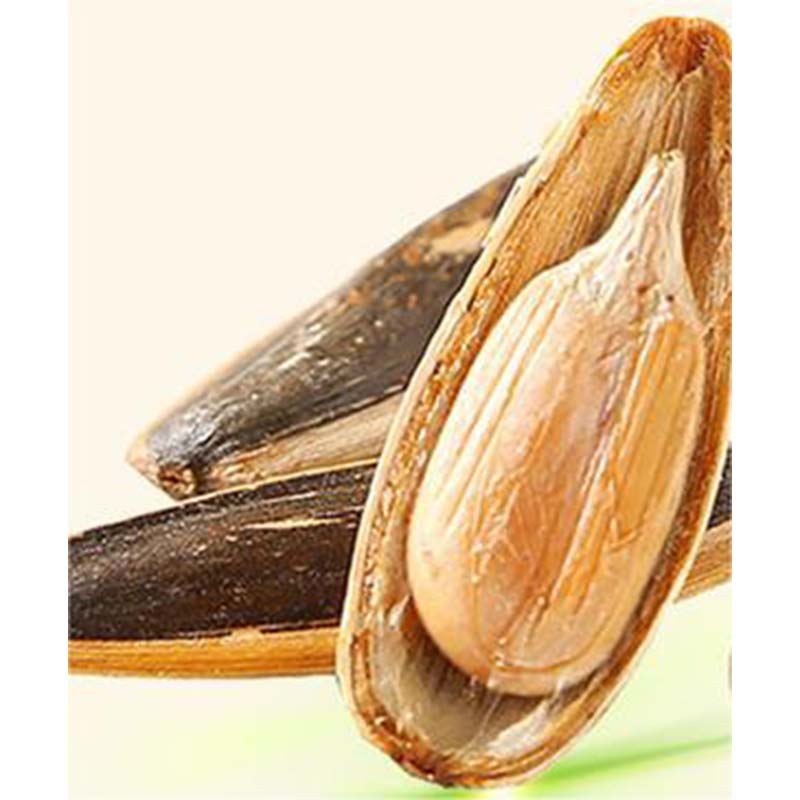
Sunflower seeds ( Helianthus annuus) represent a significant agricultural commodity with diverse applications, primarily as a food source for both humans and livestock, and increasingly as a feedstock for industrial oil production. Their value chain extends from agricultural cultivation and harvesting, through processing – including dehulling, drying, and grading – and finally to distribution and consumption. This guide focuses on the technical aspects of sunflower seed procurement, emphasizing quality control, compositional analysis, and storage considerations crucial for industrial buyers. The core performance characteristics of sunflower seeds, namely oil content, protein content, hull percentage, and moisture content, are paramount determinants of their suitability for various downstream processes, influencing yield, efficiency, and the final product quality. Understanding these parameters, and the factors influencing them, is critical for mitigating risk and ensuring consistent supply.
Material Science & Manufacturing
Sunflower seeds are composed primarily of oil (35-58% by weight), protein (18-25%), carbohydrates (15-20%), and fiber (5-10%). The oil is rich in linoleic acid, an essential fatty acid, while the protein contains essential amino acids. The seed hull, comprised of lignin and cellulose, provides structural integrity but reduces the oil content by weight. Manufacturing begins with seed selection based on variety, focusing on high-oleic or linoleic content depending on end-use. Harvesting must occur at optimal maturity (typically 9-12% moisture content) to minimize shattering and maximize yield. Post-harvest processing involves cleaning to remove debris, followed by drying to reduce moisture to 8-9% for safe storage. Dehulling is often performed to increase oil concentration, though this process can introduce fines and damage the seed kernel. Grading based on seed size, shape, and density ensures consistency in oil extraction. Key parameter control during processing includes maintaining temperature below 40°C during drying to preserve oil quality and minimizing mechanical damage during dehulling to avoid lipid oxidation. Chemical compatibility during storage is important – avoiding contact with reactive metals can prevent rancidity. The seed coat contains phenolic compounds acting as natural antioxidants that are diminished during dehulling.
Performance & Engineering
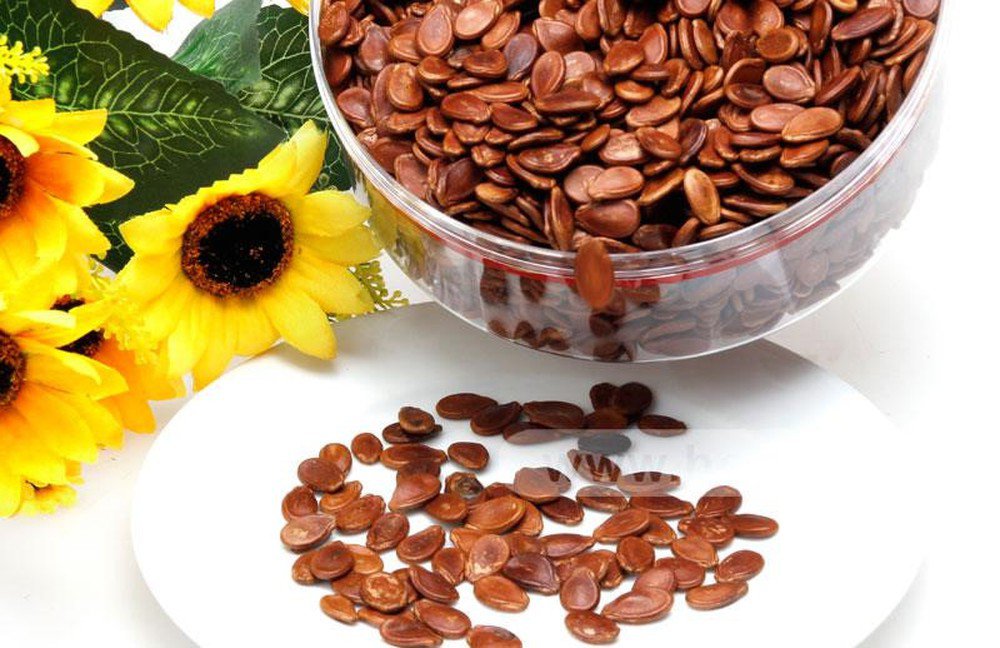
The performance of sunflower seeds in industrial applications hinges on several engineering properties. Force analysis during dehulling requires understanding the fracture strength of the hull and kernel. Environmental resistance, particularly moisture sensitivity, dictates storage requirements. High moisture content promotes fungal growth and aflatoxin contamination, necessitating controlled humidity and temperature environments. Compliance requirements regarding pesticide residues (governed by regulations like the US EPA and EU directives) are critical for food-grade applications. The oil extraction process utilizes mechanical pressing or solvent extraction (typically hexane). Efficiency is determined by seed pre-treatment (conditioning, flaking, cooking) and press design (screw press, expeller press). Solvent extraction offers higher oil yields but requires careful solvent recovery to meet environmental and safety standards. Heat transfer during oil refining – degumming, neutralization, bleaching, deodorization – must be optimized to minimize oil degradation and maintain desired color and flavor profiles. Kernel breakage during processing can affect oil yield and quality and is minimized through optimized equipment settings and proper seed conditioning.
Technical Specifications
| Parameter | Unit | Typical Range | Testing Method |
|---|---|---|---|
| Oil Content (Dry Basis) | % | 40-58 | Soxhlet Extraction (AOCS Official Method) |
| Protein Content (Dry Basis) | % | 18-25 | Kjeldahl Method (AOCS Official Method) |
| Moisture Content | % | 8-10 | Oven Drying (AACC Method) |
| Hull Percentage | % | 20-35 | Screening and Gravimetric Analysis |
| Free Fatty Acid (FFA) | % | <0.5 | Titration (AOCS Official Method) |
| Peroxide Value (PV) | meq O2/kg | <10 | Iodometric Titration (AOCS Official Method) |
Failure Mode & Maintenance
Sunflower seeds are susceptible to several failure modes during storage and processing. Lipid oxidation, leading to rancidity, is a primary concern. This is accelerated by exposure to oxygen, light, heat, and metallic contaminants. Aflatoxin contamination, caused by Aspergillus flavus and Aspergillus parasiticus fungi, occurs under high moisture and temperature conditions. Physical damage during handling and processing can lead to kernel breakage and reduced oil yield. Insect infestation can result in significant weight loss and quality degradation. Maintenance protocols include regular temperature and humidity monitoring in storage facilities, implementing robust pest control measures, and employing anti-oxidant additives (e.g., tocopherols) during oil processing. Regular inspection for mold growth and aflatoxin testing are essential. Proper cleaning and sanitation of processing equipment are critical to prevent contamination. The use of inert gas blanketing during storage can minimize oxidation. Implementing a First-In, First-Out (FIFO) inventory system reduces storage time and minimizes the risk of deterioration.
Industry FAQ
Q: What is the acceptable level of aflatoxin in sunflower seeds destined for human consumption?
A: Regulatory limits for aflatoxin vary by region. The US FDA sets a limit of 20 ppb (parts per billion), while the EU has a limit of 2 μg/kg (equivalent to 2 ppb). Exceeding these limits renders the batch unsuitable for human consumption and may lead to rejection of the shipment.
Q: How does seed variety impact oil yield and fatty acid profile?
A: Different sunflower varieties are bred for specific oil content and fatty acid compositions. High-oleic varieties typically yield a higher percentage of oleic acid (a monounsaturated fatty acid), enhancing oxidative stability and suitability for high-temperature applications. Linoleic varieties are favored for nutritional applications. Oil yield is also genetically determined and influenced by growing conditions.
Q: What are the key considerations for long-term storage of sunflower seeds?
A: Maintaining low moisture content (8-9%), temperature (below 25°C), and oxygen levels are crucial. Proper ventilation is essential to prevent condensation. Storage containers should be airtight and free from contaminants. Regular monitoring for insect activity and mold growth is recommended.
Q: What is the impact of hull percentage on the overall value of the seeds?
A: Higher hull percentages reduce the oil content by weight, decreasing the economic value. Dehulling increases oil concentration, but introduces costs and potential for kernel damage. The optimal hull percentage depends on the downstream processing method and end-use application.
Q: What analytical methods are used to verify the quality of incoming sunflower seed shipments?
A: Key analyses include moisture content determination (oven drying), oil content analysis (Soxhlet extraction), protein content analysis (Kjeldahl method), free fatty acid measurement (titration), peroxide value assessment (iodometric titration), and aflatoxin testing (HPLC or ELISA).
Conclusion
The procurement of sunflower seeds demands a meticulous understanding of the interplay between material science, manufacturing processes, and performance parameters. Controlling variables like moisture content, oil composition, and hull percentage is paramount for achieving consistent quality and maximizing process efficiency. Proactive failure mode analysis and the implementation of robust storage and handling procedures are essential for mitigating risks associated with lipid oxidation, aflatoxin contamination, and physical damage.
Effective quality control relies on the application of standardized analytical methods (AOCS, AACC) and adherence to international regulatory guidelines. By prioritizing these technical considerations, industrial buyers can ensure a reliable supply of high-quality sunflower seeds, optimizing their operations and delivering superior products to the market.
