Introduction
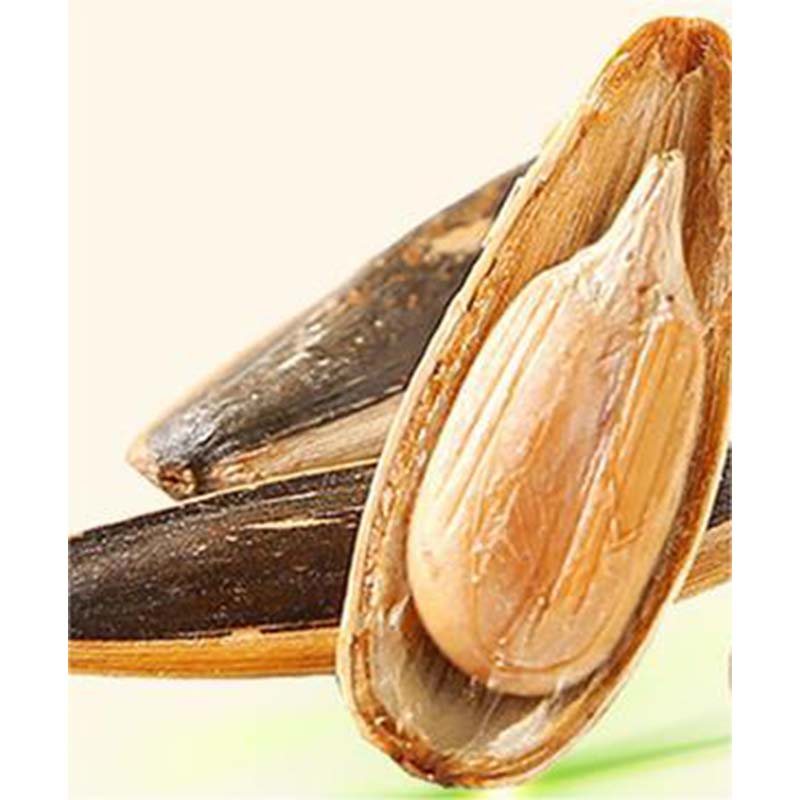
Sunflower seed production, from sourcing to processing, constitutes a critical link in the global food and oilseed industry. This technical guide provides a comprehensive overview for procurement managers and engineers involved in sourcing sunflower seeds from manufacturers. Sunflower seeds ( Helianthus annuus) are classified based on oil content (high-oleic, mid-oleic, linoleic), hull characteristics (black oil, confectionary), and intended application (edible oil production, direct consumption, birdseed). The technical position within the supply chain involves agricultural practices, post-harvest handling, cleaning, drying, dehulling (for confectionary types), grading, and packaging. Core performance characteristics influencing purchasing decisions include oil yield, protein content, moisture content, foreign material percentage, germination rate (for seed-producing varieties), and aflatoxin levels. Maintaining consistent seed quality is paramount for both downstream processing efficiency and final product safety. The industry faces challenges related to climate change impacting yield, the prevalence of plant diseases, and increasingly stringent food safety regulations.
Material Science & Manufacturing
Sunflower seeds are inherently biological materials, with compositional variability dictated by genetics, growing conditions, and maturity stage. The seed’s primary constituents are oil (40-50%), protein (18-25%), carbohydrates (15-20%), and fiber (5-10%). Oil composition varies; linoleic acid (C18:2) dominates in traditional varieties, while high-oleic varieties are selectively bred for increased oleic acid (C18:1) content, enhancing oxidative stability. The seed coat (hull) is composed primarily of cellulose, hemicellulose, and lignin, providing physical protection. Manufacturing begins with field harvesting, typically employing combine harvesters. Post-harvest processing involves cleaning to remove debris (stalks, leaves, soil), drying to reduce moisture content (typically to 8-10% to prevent mold growth), and grading based on size and quality. Dehulling is performed for confectionary seeds, utilizing impact or friction methods. Key parameter control during drying includes temperature (maximum 45-50°C to prevent protein denaturation) and airflow rate to ensure uniform moisture removal. Chemical compatibility considerations are limited, primarily relating to packaging materials (avoiding materials that may leach contaminants or accelerate oxidation). Seed storage conditions (temperature, humidity) are critical to maintain viability and quality.
Performance & Engineering
Performance assessment of sunflower seeds centers on optimizing oil yield and minimizing processing losses. Oil yield is influenced by seed oil content and extraction efficiency. Engineering considerations focus on optimizing seed handling and processing equipment. Force analysis is relevant in dehulling operations, where impact forces must be controlled to minimize kernel damage. Environmental resistance is critical during storage; seeds are susceptible to insect infestation and fungal growth, necessitating proper temperature and humidity control. Compliance requirements include adherence to food safety regulations (e.g., EU regulations on contaminants, US FDA guidelines), and traceability standards. Aflatoxin contamination is a significant concern; regular testing is required to ensure levels remain below regulatory limits (typically <20 ppb). Germination rate is a key performance indicator for seeds intended for replanting. Bulk density and flowability are important for designing efficient storage and handling systems. Particle size distribution after dehulling affects roasting and flavoring uniformity. Moisture content directly impacts the stability of the oil and the seeds susceptibility to microbial growth, demanding tight process control.
Technical Specifications
| Oil Content (%) | Protein Content (%) | Moisture Content (%) | Foreign Material (%) |
|---|---|---|---|
| 42-52 | 20-28 | 8-10 | <1.0 |
| 48-58 (High Oleic) | 22-30 | 7-9 | <0.5 |
| 38-48 (Confectionary) | 24-32 | 6-8 | <0.3 |
| 45-55 | 18-26 | 9-11 | <1.5 |
| 40-50 | 21-29 | 8-10 | <0.75 |
| 47-57 | 23-31 | 7-9 | <0.25 |
Failure Mode & Maintenance
Failure modes in sunflower seeds relate primarily to degradation of quality during storage and processing. Oxidation of oil is a common issue, leading to rancidity and reduced nutritional value. This is accelerated by exposure to oxygen, light, and heat. Insect infestation can cause significant losses and introduce contaminants. Fungal growth, particularly Aspergillus species, can produce aflatoxins. Physical damage during harvesting, dehulling, or handling can result in broken kernels and increased susceptibility to spoilage. Maintenance strategies involve strict temperature and humidity control during storage (typically <15°C and <65% relative humidity). Regular inspection for insect activity and mold growth is essential. Proper cleaning and sanitation of processing equipment are critical to prevent contamination. Implementing a First-In, First-Out (FIFO) inventory system minimizes storage time. Packaging should provide a barrier to oxygen and moisture. For confectionary seeds, careful control of dehulling parameters minimizes kernel damage. Proactive aflatoxin testing and mitigation strategies are crucial for ensuring food safety.
Industry FAQ
Q: What are the key differences between high-oleic and linoleic sunflower seeds for edible oil production?
A: High-oleic seeds contain a significantly higher percentage of oleic acid, resulting in an oil with improved oxidative stability and a longer shelf life. Linoleic oil, while traditionally used, is more prone to rancidity and requires antioxidants for stabilization. High-oleic oil also allows for higher frying temperatures without degradation.
Q: How do you ensure aflatoxin levels remain within acceptable limits?
A: We implement a multi-faceted approach including sourcing from reputable growers with strict agricultural practices, pre-harvest monitoring for Aspergillus infection, rapid and accurate aflatoxin testing at multiple stages (post-harvest, processing, packaging), and segregation of any contaminated batches.
Q: What is the optimal moisture content for long-term sunflower seed storage?
A: The optimal moisture content is between 8-10%. Lower moisture levels reduce the risk of fungal growth and insect infestation, while higher levels can lead to caking and spoilage. Regular monitoring and control of humidity during storage are essential.
Q: What is the significance of the foreign material percentage specification?
A: The foreign material percentage indicates the level of contamination with non-seed material (stalks, leaves, stones, etc.). A lower percentage ensures higher processing efficiency, reduces equipment wear, and improves final product quality and safety.
Q: Can you provide traceability documentation for your sunflower seeds?
A: Yes, we maintain complete traceability records, including origin of seeds, harvest date, processing details, and quality control data. We can provide this information upon request, supporting compliance with food safety regulations and customer requirements.
Conclusion
Sourcing sunflower seeds requires a detailed understanding of the interplay between agricultural practices, material science, and processing engineering. Consistent quality is driven by rigorous control of moisture content, oil composition, and prevention of contamination. Selecting a reliable manufacturer necessitates evaluating their commitment to food safety standards, traceability systems, and proactive quality control measures.
The future of sunflower seed production will likely focus on developing varieties with enhanced disease resistance, increased oil yield, and improved nutritional profiles. Sustainable agricultural practices and efficient processing technologies will become increasingly important to meet growing global demand. Continued investment in analytical capabilities for rapid and accurate aflatoxin detection is critical for maintaining food safety.
