Introduction
Sunflower seed processing facilities represent a critical link in the agricultural supply chain, bridging the gap between farm-level production and consumer-packaged goods. These facilities, encompassing everything from cleaning and dehulling to kernel processing and oil extraction, are complex systems requiring significant capital investment and specialized expertise. The selection of a sunflower seed factory—whether new construction or acquisition of an existing facility—demands a thorough understanding of processing technology, raw material variability, throughput capacity, and adherence to stringent food safety and quality standards. This guide provides a comprehensive technical overview for procurement managers and engineers involved in the evaluation and acquisition of sunflower seed processing infrastructure, addressing key considerations from initial material characteristics to potential failure modes and relevant international standards. Core challenges in the industry center around maximizing oil yield, minimizing waste, and maintaining product quality across varying sunflower seed varieties and growing conditions. Achieving consistent product output also requires diligent monitoring and control of process parameters to prevent contamination and maintain regulatory compliance.
Material Science & Manufacturing
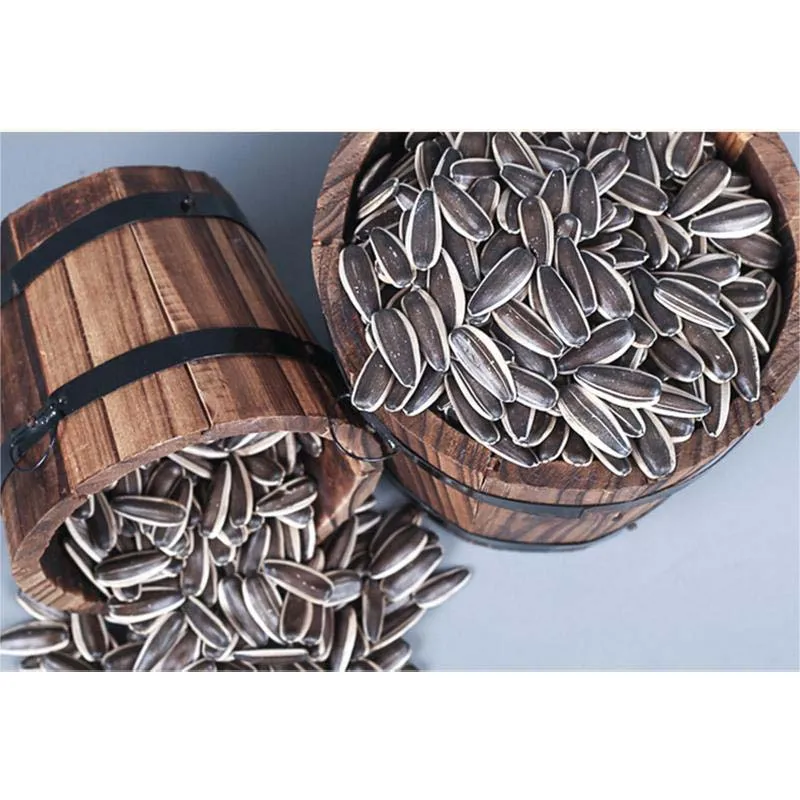
The primary raw material, sunflower seeds ( Helianthus annuus), exhibits significant variability in composition depending on cultivar, growing region, and environmental conditions. Key physical properties include moisture content (typically 9-12%), oil content (38-58%), hull percentage (20-40%), and kernel density. Manufacturing begins with pre-cleaning to remove foreign matter such as stems, leaves, and dirt. Dehulling is a crucial step, achieved mechanically using impact or friction methods. The hulls, comprised primarily of cellulose and lignin, are separated from the kernels. Kernel processing involves sizing and grading to ensure uniformity. Oil extraction is typically performed using mechanical pressing (expelling) and/or solvent extraction (hexane). Pressing yields a crude oil with higher levels of impurities, while solvent extraction offers higher oil recovery but requires stringent solvent removal procedures. The hulls themselves can be further processed into animal feed or fuel pellets. Critical manufacturing parameters include roller gap settings during dehulling, press temperature and pressure during oil extraction, and solvent residence time during solvent extraction. Material compatibility is paramount; stainless steel (304/316L grades) is commonly used for components in contact with the seeds and oil to prevent corrosion and maintain product purity. Temperature control is essential to prevent lipid oxidation and maintain oil quality. The manufacturing process also relies heavily on vibration technology for conveying and separating materials, requiring careful design to minimize noise and wear.
Performance & Engineering
Performance evaluation of a sunflower seed processing facility hinges on several key engineering metrics. Throughput capacity, measured in tons per hour, is directly influenced by the processing equipment’s design and the efficiency of material flow. Energy consumption is a significant operational cost, requiring optimization of motor efficiency, heat recovery systems, and process control strategies. Force analysis is critical in designing dehulling and pressing equipment to withstand the substantial mechanical loads. Environmental resistance considerations include dust control (sunflower hull dust is combustible) and wastewater treatment (from cleaning and solvent extraction processes). Compliance requirements are extensive, encompassing food safety standards (HACCP, GMP), environmental regulations (wastewater discharge, air emissions), and workplace safety standards (OSHA). Functional implementation of oil extraction systems requires precise control of temperature, pressure, and solvent concentration. Equipment design must account for the abrasive nature of sunflower seeds and hulls, requiring hardened materials and regular maintenance. Furthermore, the factory layout must facilitate efficient material handling and minimize cross-contamination between different processing stages. The design of ventilation systems is crucial to control dust levels and prevent explosions. Proper grounding and bonding are essential to mitigate static electricity buildup, which can ignite dust clouds. Careful consideration must also be given to noise reduction, as sunflower seed processing can generate significant noise levels.
Technical Specifications
| Parameter | Unit | Typical Range (New Facility) | Acceptable Range (Existing Facility) |
|---|---|---|---|
| Throughput Capacity | tons/hour | 50-200 | 30-150 |
| Oil Extraction Efficiency | % | 95-99 | 90-98 |
| Residual Solvent Level | ppm | <2 | <5 |
| Kernel Moisture Content (Post-Processing) | % | 8-10 | 9-12 |
| Hull Content in Kernels | % | <1 | <2 |
| Energy Consumption (Oil Extraction) | kWh/ton | 150-250 | 200-300 |
Failure Mode & Maintenance
Sunflower seed processing equipment is subject to various failure modes. Fatigue cracking in dehulling rollers is common due to the repetitive impact loading. Bearing failure in presses and conveyors can occur due to inadequate lubrication or contamination. Delamination of conveyor belts due to abrasion and improper tensioning. Degradation of rubber seals and hoses due to exposure to oil and solvents. Oxidation and corrosion of metal components due to moisture and chemical exposure. Solvent leaks in extraction systems pose both safety and environmental hazards. Preventive maintenance is crucial and should include regular inspection of rollers, bearings, belts, seals, and hoses. Lubrication schedules must be strictly adhered to. Vibration analysis can detect early signs of bearing failure. Non-destructive testing (NDT) methods, such as ultrasonic testing, can identify cracks in rollers and welds. Regular cleaning of equipment is essential to prevent buildup of dust and debris. Proper storage of spare parts is vital to minimize downtime. Scheduled replacement of wear components is cost-effective in the long run. Emergency shutdown systems must be regularly tested to ensure their functionality. Regular inspections for solvent leaks and proper ventilation system maintenance are crucial for safety. Calibration of measurement instruments (temperature, pressure, flow) is vital for maintaining process control and product quality.
Industry FAQ
Q: What is the impact of sunflower seed variety on oil yield and processing parameters?
A: Different sunflower varieties exhibit variations in oil content, hull percentage, and kernel hardness. High-oleic varieties generally yield higher quality oil but may require different pressing parameters than linoleic varieties. Kernel hardness influences the optimal roller gap settings during dehulling. Thorough seed analysis is essential to adjust processing parameters accordingly and maximize oil yield.
Q: How can we minimize dust explosion risks in a sunflower seed processing facility?
A: Sunflower hull dust is highly combustible. Implement a comprehensive dust control program, including regular cleaning, enclosed conveying systems, dust collection systems with explosion venting, proper grounding and bonding of equipment, and strict control of ignition sources. Regular inspections and maintenance of dust collection systems are critical.
Q: What are the key considerations for wastewater treatment in a sunflower seed processing plant?
A: Wastewater from cleaning and solvent extraction processes contains suspended solids, oil, and potentially residual solvent. Treatment typically involves pre-screening, sedimentation, oil separation, and biological treatment. Compliance with local environmental regulations regarding discharge limits is paramount.
Q: What is the optimal maintenance schedule for dehulling rollers to prevent fatigue cracking?
A: Regular inspection for cracks and wear is essential. Depending on throughput and seed characteristics, rollers should be inspected weekly or bi-weekly. Resurfacing or replacement of rollers should be performed proactively to prevent catastrophic failure. Proper roller alignment and tensioning are also critical.
Q: How does solvent extraction efficiency compare to mechanical pressing, and what are the associated risks?
A: Solvent extraction generally achieves higher oil recovery (98-99%) compared to mechanical pressing (85-95%). However, solvent extraction requires stringent solvent removal procedures to ensure product safety and compliance with regulatory limits. Risks associated with solvent extraction include solvent leaks, fire hazards, and potential environmental contamination. Robust safety protocols and monitoring systems are essential.
Conclusion
The acquisition and operation of a sunflower seed processing facility demands a multifaceted understanding of material science, engineering principles, and regulatory compliance. Selecting a facility, or designing a new one, necessitates careful consideration of throughput requirements, oil yield optimization, and minimization of waste streams. A robust preventive maintenance program, coupled with diligent monitoring of key performance indicators, is essential for ensuring long-term operational efficiency and product quality.
Ultimately, a successful investment in sunflower seed processing technology is predicated on a thorough assessment of technical specifications, potential failure modes, and adherence to international standards. Continuous improvement in process control, coupled with a commitment to safety and environmental responsibility, will be critical for sustained competitiveness in this dynamic agricultural sector.
