Introduction
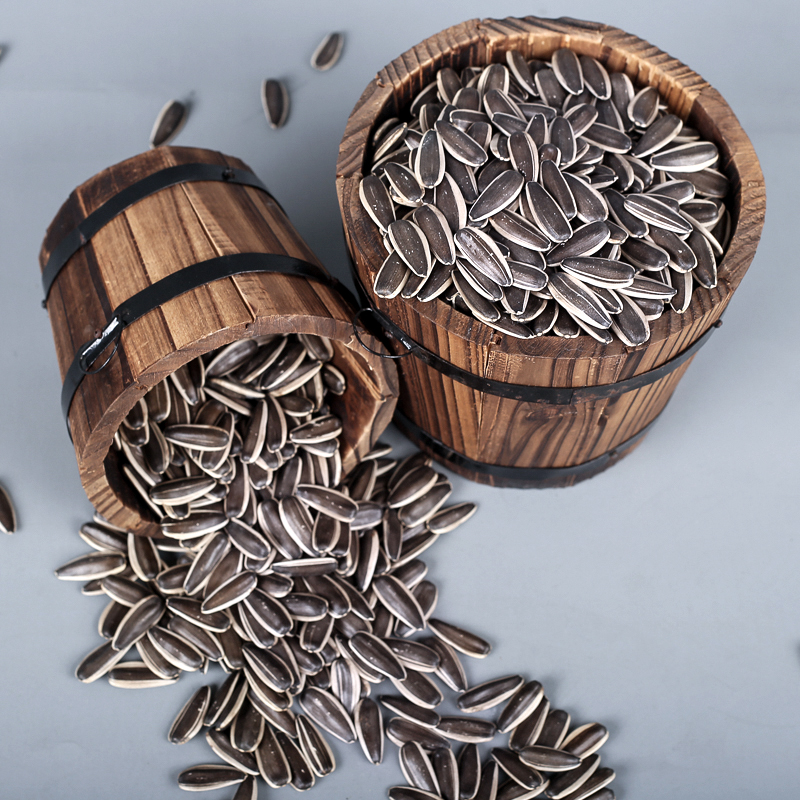
Sunflower seeds, Helianthus annuus, represent a globally significant agricultural commodity, positioned within the oilseed and edible seed sectors. Their export is a complex process involving agronomic practices, post-harvest handling, quality control, and international trade regulations. This guide details the critical technical considerations for buyers sourcing sunflower seeds from exporters, addressing aspects from seed genetics and oil content to storage stability and contaminant risk. The core performance characteristics revolve around oil yield, protein content, fatty acid profile, and the absence of harmful substances like aflatoxins. Current market dynamics are heavily influenced by geopolitical factors impacting major producing regions (Ukraine, Russia, Argentina, Turkey) and fluctuating demand from edible oil manufacturers, snack food producers, and animal feed industries. Understanding these factors is crucial for informed procurement decisions.
Material Science & Manufacturing
Sunflower seed composition is fundamentally determined by genetics, with varying levels of oil (38-58%), protein (18-26%), fiber, and moisture content (typically 8-12%). The kernel’s outer hull (pericarp) provides physical protection but influences oil extraction efficiency. Seed varieties are broadly categorized as high-oleic, mid-oleic, and linoleic, dictating the fatty acid profile and subsequent oil characteristics. Manufacturing, encompassing cultivation, harvesting, drying, dehulling, and cleaning, significantly impacts quality. Harvesting timing is critical; premature harvest leads to low oil content, while delayed harvest increases seed shattering and field losses. Drying, typically utilizing forced-air systems, must achieve a moisture content below 8% to prevent fungal growth and mycotoxin production. Dehulling efficiency varies based on hull thickness and processing technology – impact dehullers, roller dehullers, and aspiration systems are commonly employed. Parameter control is vital: consistent drying temperatures (below 45°C to avoid protein denaturation), precise dehulling pressure, and effective cleaning protocols to remove foreign materials (stalk, leaves, stones) are paramount. Seed processing often involves optical sorting to remove discolored or damaged seeds, enhancing product uniformity. The lipid composition, particularly the ratio of linoleic to oleic acid, is determined largely during seed development and is sensitive to environmental stress.

Performance & Engineering
The performance of sunflower seeds is assessed through several key engineering properties. Tensile strength of the kernel relates to its resistance to cracking during processing. Bulk density impacts storage capacity and transportation logistics. Coefficient of friction influences handling characteristics within processing equipment. However, critical performance parameters center on oil extraction efficiency and oil quality. Oil extraction is typically performed using mechanical pressing (expelling) or solvent extraction (hexane). Solvent extraction yields higher oil recovery but requires stringent safety protocols and residual solvent monitoring. Oil quality is assessed via acid value (FFA), peroxide value (PV), iodine value (IV), and color. Low acid and peroxide values indicate minimal oxidation and degradation. The fatty acid profile (oleic, linoleic, palmitic, stearic acids) dictates oil functionality for specific applications (edible oil, biodiesel, industrial lubricants). Environmental resistance primarily concerns storage stability. Proper storage requires low temperature (below 20°C), low humidity (below 65%), and protection from light to minimize lipid oxidation and preserve germination rates (for seed intended for replanting). Compliance requirements include adherence to maximum permissible levels of contaminants (heavy metals, pesticides, mycotoxins) as stipulated by importing country regulations (e.g., EU directives, US FDA standards).
Technical Specifications
| Oil Content (%) | Protein Content (%) | Moisture Content (%) | Acid Value (mg KOH/g) |
|---|---|---|---|
| 48-52 | 20-24 | 7-9 | <0.5 |
| 52-58 | 18-22 | 6-8 | <0.3 |
| 40-45 | 24-28 | 8-10 | <0.7 |
| 45-50 | 22-26 | 7-9 | <0.4 |
| 50-55 | 19-23 | 6-8 | <0.2 |
| 42-48 | 23-27 | 8-10 | <0.6 |
Failure Mode & Maintenance
Sunflower seeds are susceptible to several failure modes. Lipid oxidation, triggered by exposure to oxygen, light, and elevated temperatures, leads to rancidity and reduced oil quality. Mycotoxin contamination, primarily by Aspergillus species, represents a significant food safety hazard. Cracking and breakage during handling and processing can reduce seed quality and increase fines. Insect infestation (e.g., grain weevils) can lead to weight loss and contamination. Germination failure is a concern for seeds intended for replanting. Maintenance protocols are crucial for preventing these failures. Proper storage, as detailed above, is paramount. Regular monitoring for moisture content and temperature is essential. Implementation of effective pest control measures (insecticides, fumigation) is necessary. Seed cleaning and grading should be performed promptly after harvest. For oilseed processors, regular maintenance of extraction equipment (presses, solvent recovery systems) is vital to minimize oil degradation and maintain efficiency. Preventive maintenance schedules including filter changes, bearing lubrication, and leak detection are vital. Analysis of seed samples for mycotoxins and pesticide residues should be performed periodically.
Industry FAQ
Q: What are the critical factors influencing sunflower oil quality for edible oil production?
A: Key factors include the fatty acid profile (high oleic content is generally preferred for stability), low peroxide value (indicating minimal oxidation), low acid value (indicating minimal hydrolysis), and the absence of harmful contaminants such as pesticides and heavy metals. Refining processes will further improve quality, but the initial seed quality dictates the efficiency and effectiveness of refining.
Q: How does the harvesting method impact the final quality of sunflower seeds?
A: Direct combining is common, but it can result in higher levels of foreign material and damaged seeds. Swathing followed by combining allows for more uniform drying and reduces seed loss, but increases harvesting costs. The timing of harvest is also crucial; harvesting too early results in low oil content, while harvesting too late increases seed shattering and field losses.
Q: What are the key considerations for long-term storage of sunflower seeds?
A: Maintaining low temperature (below 20°C) and low humidity (below 65%) is paramount. Seeds should be stored in well-ventilated facilities protected from light and insect infestation. Regular monitoring of temperature and moisture content is essential. Oxygen-limiting storage techniques (e.g., modified atmosphere storage) can further extend shelf life.
Q: What analytical tests are essential for assessing sunflower seed quality before purchase?
A: Essential tests include oil content determination, protein content analysis, moisture content measurement, acid value and peroxide value determination, mycotoxin analysis (aflatoxins are particularly important), and a general assessment of foreign material and damage.
Q: What are the implications of varying levels of linoleic and oleic acid in sunflower seeds for different applications?
A: High-oleic seeds produce oils with greater oxidative stability, making them ideal for frying and high-heat applications. Linoleic-rich oils are more prone to oxidation but offer different nutritional profiles and are preferred for certain salad oils and industrial applications. The target application dictates the required fatty acid composition.
Conclusion
Sourcing sunflower seeds demands a comprehensive understanding of agronomic factors, post-harvest processing, and analytical quality control. Successful procurement relies on rigorous supplier qualification, adherence to international standards, and detailed seed analysis. Ignoring these considerations can lead to compromised oil yields, reduced product quality, and potential food safety risks.
Future trends in sunflower seed production will likely focus on developing drought-resistant varieties, enhancing oil quality through breeding programs, and implementing more sustainable agricultural practices. Furthermore, advancements in seed processing technologies will aim to improve oil extraction efficiency and minimize environmental impact. Proactive engagement with exporters regarding these developments is crucial for maintaining a competitive edge in the global market.
