Introduction
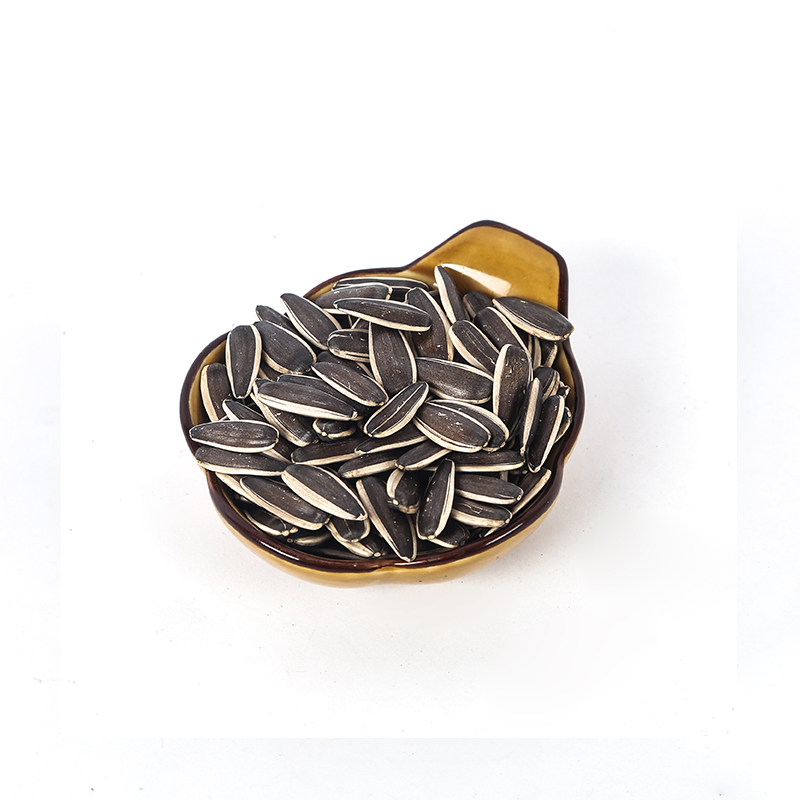
Sunflower seeds, Helianthus annuus, are a globally traded agricultural commodity experiencing sustained demand driven by both direct consumption and oil extraction. The international export market is highly competitive, requiring exporters to adhere to stringent quality control protocols, phytosanitary regulations, and logistical efficiencies. This guide provides a comprehensive technical overview for procurement managers and engineers involved in the sourcing of sunflower seeds, covering material characteristics, processing methodologies, quality assessment, potential failure modes during storage and transport, and relevant international standards. The increasing focus on food safety, traceability, and sustainable agricultural practices necessitates a deep understanding of the nuances associated with sunflower seed export. Core performance criteria revolve around oil content, protein levels, moisture content, and the absence of contaminants such as mycotoxins and foreign materials. Understanding these factors is critical for mitigating risk and ensuring the suitability of the product for its intended application, whether for human consumption, animal feed, or industrial oil production.
Material Science & Manufacturing
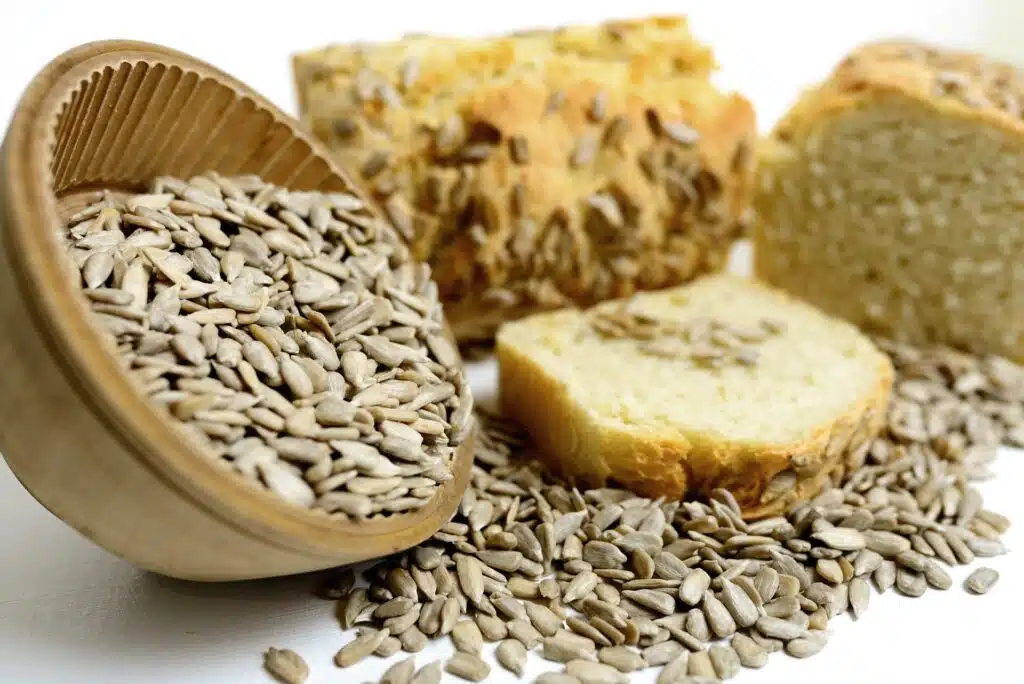
Sunflower seeds are primarily composed of lipids (40-50% oil content, varying by cultivar), proteins (18-25%), carbohydrates (15-20%), and fiber (6-10%). The kernel, the edible portion, is encased in a hull (or husk) which comprises approximately 20-30% of the seed's weight. The oil is rich in linoleic acid (an omega-6 fatty acid) and oleic acid (a monounsaturated fatty acid), with the ratio influencing the oil’s stability and nutritional value. Manufacturing begins with cultivation, heavily influenced by soil type, climate, and agricultural practices. Post-harvest processing involves cleaning (removing debris), drying (to achieve optimal moisture content, typically 8-10%), dehulling (removing the husk, impacting oil yield and protein concentration), and grading (sorting by size and quality). Key parameter control during drying is critical; excessive heat can denature proteins and reduce oil quality. Dehulling is often achieved mechanically, with precision ensuring minimal kernel damage. Seed conditioning, including polishing and aspiration, further enhances quality. The cultivar selection is paramount; confectionary seeds require larger kernel size and a thinner hull compared to oilseed varieties. The moisture content at harvest and throughout the drying process is monitored using capacitance meters, ensuring a stable and consistent product. The control of aflatoxin contamination during drying and storage is crucial, employing strategies like proper ventilation, temperature control, and pre-harvest monitoring of fungal infections.
Performance & Engineering
The performance of sunflower seeds in various applications hinges on their physical and chemical properties. Oil extraction efficiency is directly related to seed density and oil content. The engineering aspects of bulk storage and transportation require analysis of shear forces, compression resistance, and flowability. Bulk density (typically 650-750 kg/m³) dictates storage capacity and transportation costs. The angle of repose, a measure of flowability, influences the design of conveying systems and storage silos. Environmental resistance is assessed by evaluating susceptibility to moisture absorption, insect infestation, and fungal growth. Packaging materials must provide an adequate barrier to moisture and oxygen to prevent rancidity and maintain seed viability. Compliance requirements are extensive, encompassing phytosanitary certificates (ensuring freedom from pests and diseases), food safety standards (limiting mycotoxin levels and pesticide residues), and labeling regulations (accurate information on origin, weight, and nutritional content). The tensile strength of packaging materials is evaluated to withstand the stresses during handling and transportation. Oxygen transmission rate (OTR) of packaging films is a critical parameter in preserving oil quality. Furthermore, the selection of appropriate storage conditions (temperature, humidity, ventilation) is vital to minimize lipid oxidation and maintain seed quality over extended periods. Force analysis of seed handling equipment (conveyors, elevators) ensures minimal kernel breakage.
Technical Specifications
| Parameter | Unit | Typical Range (Oilseed Variety) | Typical Range (Confectionery Variety) |
|---|---|---|---|
| Oil Content | % (Dry Basis) | 42-52 | 38-45 |
| Protein Content | % (Dry Basis) | 18-24 | 20-26 |
| Moisture Content | % | 8-10 | 8-10 |
| Kernel Size (Diameter) | mm | 6-8 | 9-12 |
| Hull Percentage | % | 28-35 | 15-25 |
| Aflatoxin B1 (Maximum Limit) | ppb | <5 | <5 |
Failure Mode & Maintenance
Sunflower seeds are susceptible to several failure modes during storage and transport. Lipid oxidation, leading to rancidity and off-flavors, is a primary concern. This is exacerbated by exposure to oxygen, light, and elevated temperatures. Insect infestation, particularly by the sunflower weevil (Smicronyx spp.), can cause significant damage and contamination. Fungal growth, especially Aspergillus species, results in mycotoxin production (aflatoxins), rendering the seeds unfit for consumption. Physical damage, such as kernel breakage and hull chipping, occurs during handling and transportation, reducing quality and increasing susceptibility to moisture absorption. Maintenance strategies involve implementing strict pest control measures (fumigation, sanitation), controlling storage temperature and humidity (optimal conditions are below 15°C and 65% relative humidity), employing proper packaging materials (moisture-proof and oxygen-barrier films), and conducting regular quality inspections. Regular monitoring of seed moisture content and aflatoxin levels is critical. Preventative measures include thorough cleaning of storage facilities and transport containers. Damage assessment during unloading should be performed to identify and segregate compromised batches. Furthermore, implementing a robust traceability system enables rapid identification and recall of affected products in case of contamination or quality issues. Controlled atmosphere storage (reducing oxygen levels) is increasingly used for long-term preservation.
Industry FAQ
Q: What is the acceptable level of foreign material in a commercial shipment of sunflower seeds?
A: The acceptable level of foreign material (e.g., stems, leaves, soil, stones) varies depending on the contract specifications and destination country regulations. Generally, a maximum of 1-2% foreign material is considered acceptable for oilseed varieties, while confectionery varieties typically have stricter limits (0.5% or less). Detailed inspection procedures, often utilizing sieving and visual sorting, are employed to assess compliance.
Q: How is aflatoxin contamination monitored and controlled in sunflower seeds?
A: Aflatoxin contamination is monitored through regular sampling and laboratory analysis using methods like ELISA and HPLC. Control measures include pre-harvest monitoring of fungal infections in the field, proper drying to reduce moisture content, maintaining optimal storage conditions (low temperature and humidity), and employing effective pest control strategies. Many exporting countries have established maximum permissible limits for aflatoxin levels.
Q: What is the impact of hull percentage on the oil yield of sunflower seeds?
A: Higher hull percentage generally leads to lower oil yield, as the hull contains minimal oil. Dehulling processes aim to remove the hull efficiently without damaging the kernel. Confectionery varieties are typically partially or fully dehulled to improve their appearance and edibility. Oilseed varieties may retain some hull material, but minimizing hull content maximizes oil extraction efficiency.
Q: What packaging materials are recommended for long-term storage and transport of sunflower seeds?
A: Packaging materials should provide a barrier to moisture, oxygen, and light to prevent rancidity and insect infestation. Multi-layer polypropylene (PP) woven bags with polyethylene (PE) liners are commonly used. The PE liner should be of sufficient thickness to prevent moisture ingress. Some exporters use aluminum foil liners for enhanced barrier properties. Palletizing and wrapping with stretch film further protect the shipment during transit.
Q: What phytosanitary certificates are typically required for exporting sunflower seeds?
A: The specific phytosanitary certificates required vary depending on the destination country’s import regulations. Typically, a certificate of origin and a phytosanitary certificate issued by the exporting country’s national plant protection organization are required. These certificates attest to the seeds’ freedom from pests and diseases and confirm compliance with relevant import requirements.
Conclusion
The successful export of sunflower seeds demands a comprehensive understanding of their material science, manufacturing processes, and performance characteristics. Adherence to stringent quality control, proper storage protocols, and compliance with international standards are paramount. The ongoing trend towards sustainable agriculture and increased consumer awareness necessitates a focus on traceability, food safety, and environmentally responsible practices.
Procurement managers and engineers must prioritize suppliers capable of consistently delivering seeds that meet defined specifications regarding oil content, protein levels, moisture content, and absence of contaminants. Investing in advanced analytical equipment for quality assessment and implementing robust risk management strategies will mitigate potential issues and ensure the long-term viability of sunflower seed sourcing operations. Staying abreast of evolving regulations and industry best practices is crucial for maintaining a competitive edge in the global market.
