Introduction
Sunflower seeds for planting represent a critical input within the agricultural supply chain, serving as the foundation for oilseed production, confectionary applications, and increasingly, biofuel initiatives. This technical guide provides an in-depth examination of sunflower seed characteristics relevant to procurement professionals and agricultural engineers. Sunflower seeds, Helianthus annuus, are categorized broadly into oilseed varieties (high linoleic acid) and confectionary varieties (larger kernel size, lower hull content). Understanding the inherent variability within these classifications – influenced by genetics, growing conditions, and post-harvest processing – is paramount for ensuring optimal yield and oil quality. The global sunflower seed market is significantly impacted by geopolitical factors affecting major producing regions like Ukraine, Russia, and Argentina, creating volatility in pricing and supply. Successful procurement necessitates a comprehensive understanding of seed quality parameters, including germination rate, oil content, fatty acid profile, and the presence of contaminants. This document details these aspects, alongside manufacturing processes, potential failure modes, and relevant international standards.
Material Science & Manufacturing
Sunflower seed composition is dictated by its biological structure. The seed consists of a hull (pericarp), kernel (cotyledon), and embryo. The hull accounts for approximately 20-30% of the seed weight and is composed primarily of cellulose and lignin. Kernel composition is dominated by lipids (40-60%), proteins (18-25%), carbohydrates (10-15%), and minor components like vitamins and minerals. Lipid composition varies significantly depending on the cultivar, with linoleic acid being the predominant fatty acid in oilseed varieties. Manufacturing begins with seed selection and hybridization, aiming for desirable traits like high yield, disease resistance, and optimized oil content. Cultivation practices, including soil preparation, fertilization, and irrigation, directly influence seed quality. Harvesting timing is critical; premature harvesting yields smaller seeds with lower oil content, while delayed harvesting increases the risk of seed shattering and fungal contamination. Post-harvest processing involves cleaning, drying (reducing moisture content to 8-10%), dehulling (removing the hull), and grading based on size and quality. Dehulling efficiency is a key parameter, as residual hull content impacts oil extraction yield and oil quality. Precise control of drying temperature and duration is crucial to prevent denaturation of proteins and oxidation of lipids. Seed treatment with fungicides or insecticides may be employed to prevent storage losses, but compliance with residue limits is essential. Packaging utilizes moisture-barrier materials to prevent degradation during storage and transport.
Performance & Engineering
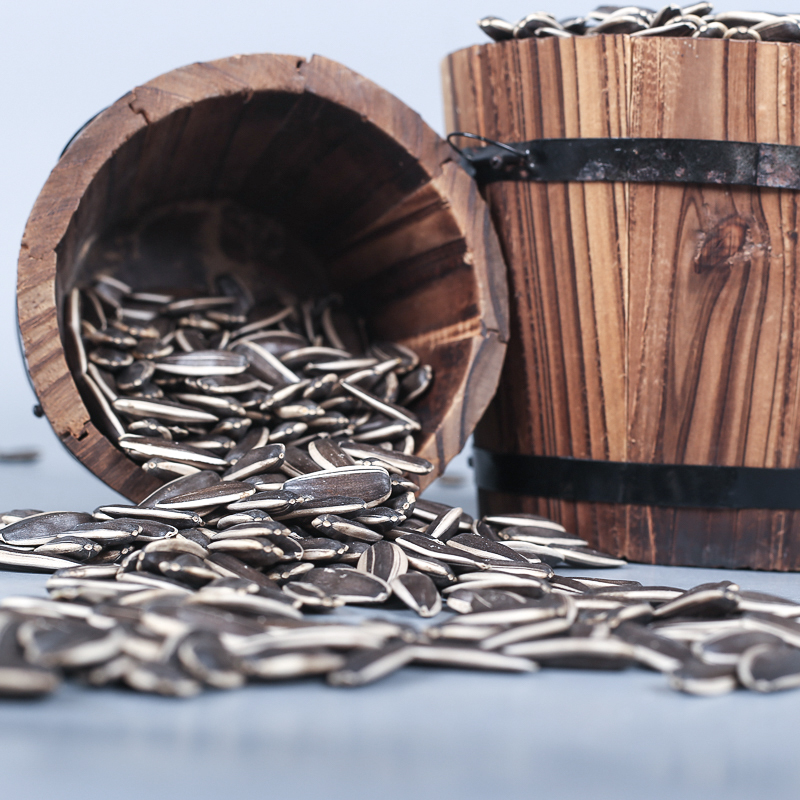
The performance of sunflower seeds is primarily evaluated through germination rate and seedling vigor. Germination rate is the percentage of seeds that successfully sprout under controlled conditions. Seed vigor refers to the seedling’s ability to establish rapidly and withstand environmental stresses. Force analysis relates to the mechanical strength of the seed coat, influencing its resistance to cracking during handling and planting. Environmental resistance is critical; seeds must tolerate fluctuations in temperature and moisture during storage and germination. Compliance requirements encompass seed purity standards (absence of weed seeds and other contaminants), phytosanitary regulations (preventing the spread of plant diseases), and genetically modified organism (GMO) labeling requirements. Functional implementation necessitates understanding the compatibility of sunflower seeds with different planting equipment and soil types. Seed size and shape influence metering accuracy in precision planters. Seed coatings, often containing polymers and micronutrients, can enhance germination, protect against pests and diseases, and improve flowability. The oil extraction process, typically employing solvent extraction (hexane) or mechanical pressing, requires seeds with optimal oil content and minimal free fatty acid levels. Oil quality is assessed through parameters like acid value, peroxide value, and iodine value, indicative of oxidative stability and suitability for different applications.
Technical Specifications
| Parameter | Oilseed Variety | Confectionary Variety | Testing Method |
|---|---|---|---|
| Germination Rate (%) | ≥ 85 | ≥ 80 | ISTA Procedure |
| Oil Content (%) | 48-58 | 40-45 | Soxhlet Extraction |
| Kernel Size (mm) | 8-12 | 14-18 | Sieve Analysis |
| Hull Content (%) | 5-10 | 2-5 | Mechanical Separation |
| Moisture Content (%) | ≤ 8.0 | ≤ 8.0 | Oven Drying Method |
| Acid Value (mg KOH/g) | ≤ 2.0 | ≤ 2.5 | Titration Method |
Failure Mode & Maintenance
Sunflower seeds are susceptible to several failure modes. Biological degradation, including fungal and insect infestation, is a primary concern during storage. Aspergillus flavus can produce aflatoxins, potent carcinogens that render the seeds unsuitable for human or animal consumption. Mechanical damage during handling and processing can lead to cracked seeds, reducing germination rate and increasing susceptibility to infection. Oxidative rancidity, caused by the oxidation of unsaturated fatty acids, degrades oil quality and reduces nutritional value. This process is accelerated by exposure to light, heat, and oxygen. Improper drying can result in high moisture content, promoting fungal growth and seed respiration, leading to reduced viability. Maintenance strategies involve implementing strict sanitation protocols in storage facilities, controlling temperature and humidity, and employing appropriate pest management techniques. Regular seed testing for germination rate, oil content, and aflatoxin levels is crucial. Proper packaging with moisture-barrier materials is essential for preserving seed quality during storage and transport. Seed coatings can provide additional protection against pests, diseases, and environmental stresses. Rotation of seed stocks (FIFO - First In, First Out) minimizes the risk of prolonged storage and quality deterioration. Preventative measures such as dust control and regular cleaning help reduce insect populations.
Industry FAQ
Q: What is the optimal moisture content for long-term sunflower seed storage?
A: The optimal moisture content for long-term sunflower seed storage is 8.0% or less. Higher moisture levels promote fungal growth and seed respiration, leading to reduced viability and quality deterioration. Maintaining this level requires proper drying techniques during harvest and the use of moisture-barrier packaging.
Q: How do different fatty acid profiles impact the end-use applications of sunflower oil?
A: Sunflower oil’s fatty acid profile significantly influences its suitability for various applications. High-oleic sunflower oil (HOO) is preferred for frying due to its high oxidative stability. High-linoleic sunflower oil is commonly used in salad dressings and other applications where a lower melting point is desired. The ratio of linoleic to oleic acid impacts the oil’s nutritional properties and shelf life.
Q: What are the primary concerns regarding aflatoxin contamination in sunflower seeds?
A: Aflatoxin contamination, primarily produced by Aspergillus flavus, is a significant food safety concern. Aflatoxins are potent carcinogens and are regulated by strict limits in many countries. Proper drying, storage, and handling practices are crucial to minimize the risk of aflatoxin contamination. Regular testing is essential to ensure compliance with regulatory standards.
Q: What methods are used to assess sunflower seed quality during procurement?
A: Common quality assessment methods include determining germination rate, oil content, kernel size, hull content, moisture content, and assessing for the presence of foreign matter and seed-borne diseases. Analysis of fatty acid profiles and aflatoxin levels is also frequently conducted to ensure compliance with specifications.
Q: How does genetic modification (GMO) status affect the marketability of sunflower seeds?
A: The GMO status of sunflower seeds significantly impacts their marketability, particularly in regions with strict GMO labeling requirements. Many buyers prefer non-GMO sunflower seeds. Traceability and documentation of seed origin are essential for verifying GMO status and meeting customer demands.
Conclusion
Sunflower seed procurement requires a nuanced understanding of the complex interplay between genetics, agronomic practices, and post-harvest processing. Maintaining consistent seed quality necessitates rigorous quality control measures, encompassing both biological and chemical analyses. The variability in seed composition, driven by cultivar and environmental factors, dictates the suitability of sunflower seeds for diverse applications, ranging from oil extraction to direct consumption.
Future trends in sunflower seed technology are focused on developing cultivars with enhanced oil content, improved disease resistance, and tailored fatty acid profiles. Sustainable agricultural practices, aimed at reducing environmental impact and conserving resources, are gaining increasing prominence. Continued investment in seed research and development, coupled with robust quality assurance systems, will be critical for ensuring a reliable and sustainable supply of high-quality sunflower seeds to meet growing global demand.
