Introduction
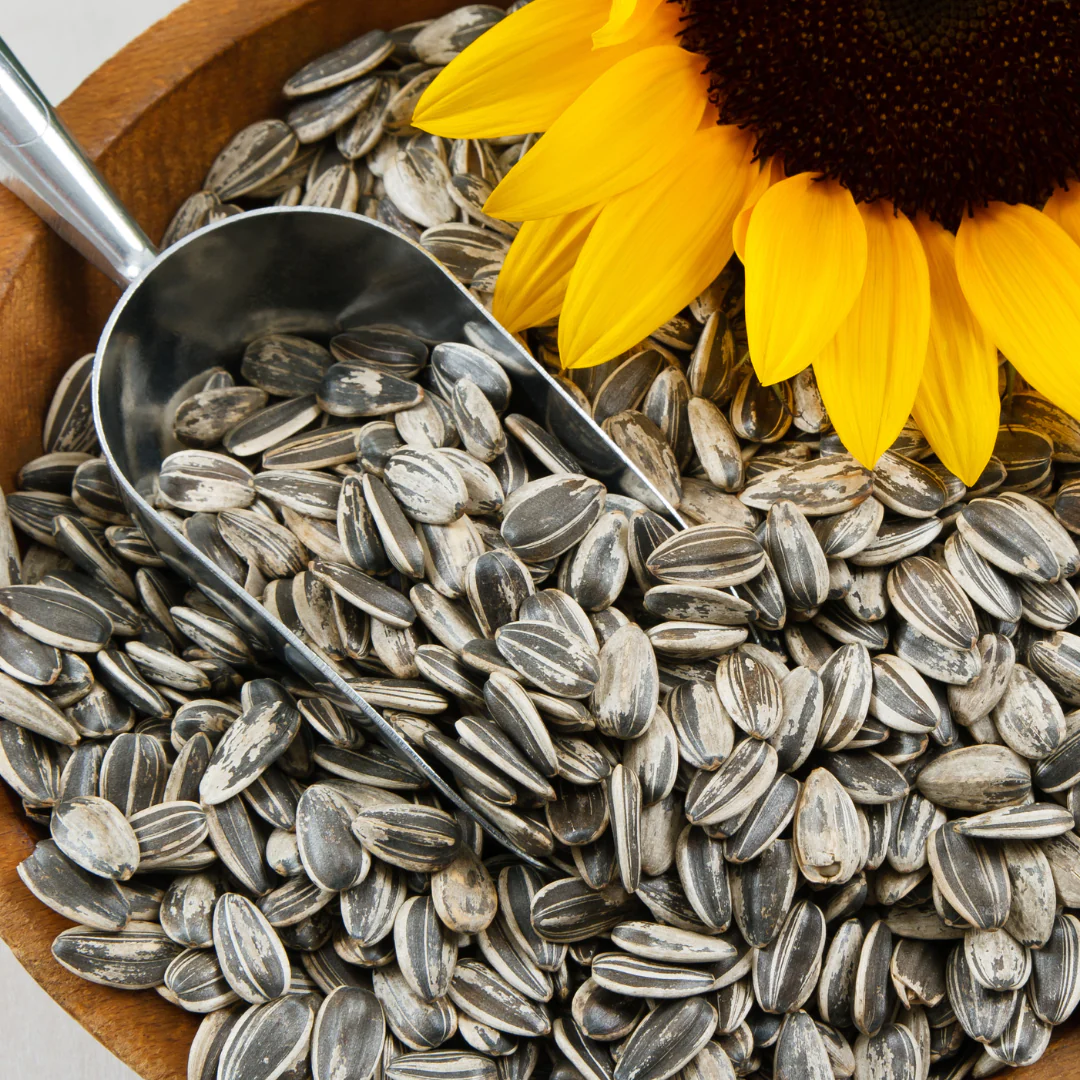
Sunflower seeds for planting (Helianthus annuus) represent a critical input within the agricultural supply chain, positioned between seed breeding/production and large-scale oilseed or confectionary crop cultivation. Their quality directly impacts germination rates, plant vigor, yield, and ultimately, the economic viability of sunflower farming operations. This technical guide provides an in-depth examination of sunflower seed characteristics, manufacturing processes impacting seed quality, performance considerations for planting, prevalent failure modes, and relevant industry standards. The increasing demand for high-oleic sunflower oil and confectionary seeds necessitates a robust understanding of seed quality parameters beyond simple germination percentage. Core industry pain points center around ensuring consistent seed quality across batches, mitigating seedborne diseases, and optimizing seed treatments for improved establishment in diverse environmental conditions. This document addresses these concerns by dissecting the critical aspects of sunflower seed production and analysis.
Material Science & Manufacturing
Sunflower seed composition is primarily defined by its oil content (38-58%), protein content (20-28%), hull (30-50%), and moisture content (typically 8-12% at harvest). The oil is rich in linoleic, oleic, and palmitic acids, with cultivar selection heavily influencing the fatty acid profile. Hull composition consists largely of cellulose, hemicellulose, and lignin, providing structural integrity but impacting oil extraction efficiency. Manufacturing begins with hybrid seed development, involving controlled pollination and subsequent seed harvesting. Seed harvesting utilizes combine harvesters equipped with adjustable concave clearances to minimize mechanical damage. Post-harvest processing involves cleaning (removal of chaff, stems, and foreign matter), drying (to achieve optimal moisture content for storage), dehulling (for confectionary seeds), sizing (grading seeds based on diameter), and treatment (application of fungicides, insecticides, and polymers). Key parameter control during drying is crucial; excessively high temperatures (>45°C) can denature proteins and reduce germination potential. Seed treatments are applied using rotating drum or slurry coaters, ensuring uniform coverage. The seed coat, a key protective layer, comprises three layers: the testa, the pericarp, and the seed coat cuticle. The integrity of these layers directly correlates with seed longevity and resistance to pathogens. Seed quality is profoundly impacted by the source of the parent plants, the growing conditions (temperature, rainfall, soil fertility), and the efficiency of the harvesting and processing operations.
Performance & Engineering
Sunflower seed performance is primarily assessed through germination tests, which determine the percentage of seeds capable of producing a viable seedling under controlled conditions (temperature, moisture, substrate). However, germination rate is only one performance indicator. Seed vigor, reflecting the seedling’s potential for rapid and uniform establishment under field conditions, is a more comprehensive metric. Vigor tests include accelerated aging (exposing seeds to elevated temperature and humidity to simulate aging) and cold germination tests (assessing germination at low temperatures to evaluate cold tolerance). Environmental resistance is crucial; seeds must tolerate fluctuations in temperature, moisture levels, and exposure to UV radiation. Seed treatments play a vital role in enhancing environmental resistance. Polymer coatings can improve moisture retention and protect against mechanical damage. Fungicides and insecticides safeguard against seedborne pathogens and insect pests. Force analysis related to seed handling (planting, conveying) reveals that excessive impact forces can cause cracking and reduce germination. Seed shape and size influence planting precision and seed meter performance in pneumatic planters. Compliance requirements vary by region, but generally involve seed certification programs (ensuring genetic purity and adherence to quality standards) and regulations regarding seed treatment chemicals (limiting residue levels in harvested crops). Seed dormancy, a natural mechanism preventing premature germination, is influenced by genotype and environmental cues. Understanding dormancy requirements is critical for optimizing pre-sowing seed conditioning treatments.
Technical Specifications
| Parameter | Units | Typical Range | Testing Method |
|---|---|---|---|
| Germination Rate | % | 85-98 | ISTA (International Seed Testing Association) |
| Moisture Content | % | 8-12 | Oven Drying Method (ISTA) |
| Oil Content | % | 38-58 | Nuclear Magnetic Resonance (NMR) Spectroscopy |
| Seed Size (Diameter) | mm | 18-25 | Sieve Analysis |
| 1000-Seed Weight | g | 50-80 | Weight Measurement of 1000 Seeds |
| Seed Vigor (Accelerated Aging) | % Germination | 60-90 | ISTA Accelerated Aging Test |
Failure Mode & Maintenance
Sunflower seeds are susceptible to several failure modes. Mechanical damage during harvesting and processing (cracking, chipping) reduces germination and increases susceptibility to pathogens. Seedborne diseases, such as Alternaria and Phoma, can cause seedling blight and reduce plant stands. Insect infestation (e.g., sunflower weevil) can damage seeds and reduce their nutritional value. Storage conditions are critical; high humidity promotes fungal growth and reduces seed viability. Exposure to elevated temperatures during storage can accelerate deterioration. Failure analysis reveals that improper drying is a primary cause of reduced seed longevity. Maintenance strategies include implementing rigorous quality control measures throughout the production chain, utilizing appropriate storage facilities (temperature and humidity controlled), and employing effective seed treatments. Regular monitoring for seedborne diseases and insect pests is essential. Seed cleaning should be performed carefully to minimize mechanical damage. Periodic seed testing (germination, vigor, purity) is crucial for assessing seed quality and identifying potential problems. For confectionary seeds, hull damage during processing leads to rancidity due to lipid oxidation and should be minimized through optimized dehulling procedures.
Industry FAQ
Q: What is the impact of seed oil content on seedling vigor?
A: Higher oil content generally correlates with increased seedling vigor, as the oil provides an energy reserve for early growth. However, the type of oil is also critical. High-oleic seeds often exhibit superior vigor compared to seeds with a higher linoleic acid content, due to the increased stability of oleic acid and its efficient metabolism during germination. The optimal oil content range for maximizing vigor depends on the specific sunflower hybrid and the target growing environment.
Q: How do different seed treatment combinations affect disease control efficacy?
A: Combining fungicides with insecticides provides broader protection against seedborne pathogens and insect pests. Systemic fungicides offer preventative and curative activity, while contact fungicides provide a protective barrier. The specific combination should be tailored to the prevalent diseases and pests in the target growing region. Resistance management is crucial; rotating seed treatments with different modes of action prevents the development of pathogen resistance.
Q: What are the limitations of germination testing as a sole indicator of seed quality?
A: Germination testing only assesses the seed's ability to germinate under ideal conditions. It doesn’t fully capture the seed’s capacity to perform under stressful field conditions. Seed vigor tests, such as accelerated aging and cold germination, provide a more realistic assessment of seedling establishment potential. Furthermore, germination tests do not assess seed health or the presence of seedborne diseases.
Q: What are the key considerations for long-term sunflower seed storage?
A: Optimal storage conditions are crucial for maintaining seed viability. Seeds should be stored in a cool (below 15°C), dry (below 60% relative humidity), and well-ventilated environment. Airtight containers can prevent moisture absorption. Regular monitoring of temperature and humidity is essential. Seed testing should be performed periodically to assess seed quality and determine if replanting is still feasible.
Q: How does seed size affect the performance of pneumatic planters?
A: Uniform seed size is essential for accurate metering in pneumatic planters. Variations in seed size can lead to skips (gaps in the row) or doubles (multiple seeds in the same hole), resulting in uneven plant stands. Seed sizing (grading) is therefore a critical step in the manufacturing process, ensuring that seeds fall within a specified diameter range compatible with the planter's seed meter.
Conclusion
Sunflower seed quality is a multifaceted characteristic governed by genetic factors, agronomic practices, and post-harvest processing techniques. Accurate assessment of seed quality requires a comprehensive suite of tests, encompassing germination, vigor, purity, and seed health evaluations. Understanding the potential failure modes affecting seed viability and implementing appropriate storage and maintenance strategies are paramount for ensuring optimal crop establishment and maximizing yield. The increasing demand for specialized sunflower oil and confectionary seeds necessitates continued advancements in seed breeding and quality control technologies.
Future research should focus on developing more robust seed vigor tests that accurately predict field performance under diverse environmental conditions. Optimizing seed treatments to enhance resistance to seedborne diseases and insect pests, while minimizing environmental impact, remains a critical challenge. Furthermore, exploring innovative seed coating technologies that improve moisture retention, nutrient delivery, and protect against mechanical damage will contribute to enhanced seedling establishment and improved crop productivity.
