Introduction
Sunflower seeds for planting represent a critical input within the agricultural supply chain, serving as the foundation for oilseed production, confectionary applications, and bird feed. This technical guide details the critical characteristics, manufacturing processes, performance parameters, and potential failure modes associated with commercially produced sunflower seeds ( Helianthus annuus ) intended for agricultural use. Understanding these factors is paramount for procurement managers, agricultural engineers, and quality control specialists aiming to secure high-yielding, genetically stable seed stocks. The industry faces increasing pressure to maximize oil content, enhance disease resistance, and improve germination rates, demanding a deep understanding of seed physiology and processing techniques. This guide provides a comprehensive overview of these aspects, alongside relevant industry standards and best practices.
Material Science & Manufacturing
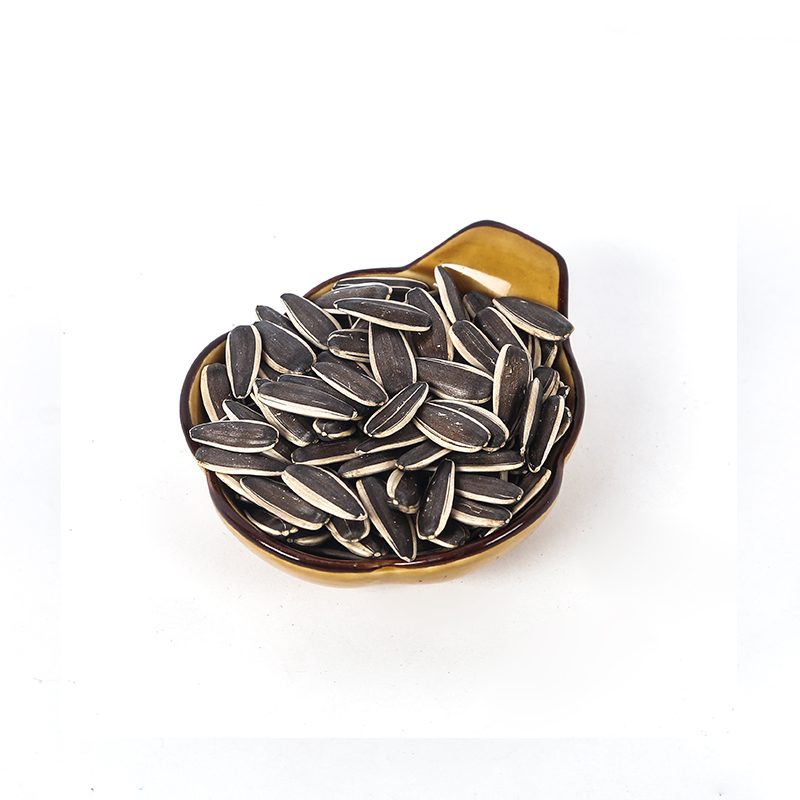
Sunflower seed composition is primarily dictated by genetics, but significantly influenced by environmental factors during growth and post-harvest processing. The seed consists of a hull (pericarp), kernel (cotyledon), and embryo. The hull provides physical protection and comprises roughly 20-30% of the seed weight. Kernel oil content typically ranges from 40-60%, primarily linoleic acid (C18:2) and oleic acid (C18:1), with variations depending on the seed variety (high-oleic, mid-oleic, linoleic). Protein content is around 20-25%. Manufacturing begins with controlled hybridization to achieve desired traits, followed by field cultivation with rigorous weed and pest management. Harvest timing is critical, ideally when seed moisture content reaches 10-12%. Drying processes, utilizing forced air or fluidized bed dryers, reduce moisture to 8-9% for safe storage. Cleaning and grading remove debris, broken seeds, and foreign material. Seed treatment with fungicides and insecticides is common to protect against soilborne pathogens and insect pests. Critical parameters include seed moisture content (controlled via drying temperature and airflow), hull damage percentage (minimized through gentle handling during harvest and processing), and seed purity (assessed through seed analysis). Seed size uniformity impacts planting precision and seedling emergence. The selection of parent lines for hybridization focuses on traits like oil content, disease resistance (specifically Sclerotinia sclerotiorum and Orobanche cumana), yield potential, and tolerance to environmental stresses.
Performance & Engineering
Sunflower seed performance is assessed primarily through germination rate, vigor index, and seedling establishment. Germination rate, the percentage of seeds that successfully sprout under controlled conditions, is a key indicator of seed viability. Vigor index combines germination rate with seedling growth rate, providing a more comprehensive measure of seedling performance. Seedling establishment refers to the successful emergence and survival of seedlings in the field. These parameters are influenced by seed physiological quality, including embryo health and stored food reserves. Environmental factors like soil temperature, moisture availability, and light intensity significantly impact germination and seedling growth. Force analysis related to planting equipment requires understanding the seed's fracture resistance during mechanical sowing. Seed coating technologies, employing polymers and micronutrients, enhance seed handling, protect against pests and diseases, and improve germination under stress conditions. Compliance requirements vary by region, often involving seed certification programs (e.g., Association of Official Seed Certifying Agencies - AOSCA) to ensure genetic purity, seed health, and labeling accuracy. Seed lot uniformity is crucial for achieving consistent field emergence and maximizing yield potential. The selection of seed size also influences planter settings, requiring calibration to ensure proper seed spacing and depth.
Technical Specifications
| Parameter | Unit | Typical Range | Test Method |
|---|---|---|---|
| Germination Rate | % | 85-98 | ISTA Procedure |
| Oil Content (Dry Basis) | % | 40-60 | NMR Spectroscopy |
| Moisture Content | % | 8-9 | Oven Drying Method |
| Purity | % | 98-100 | Seed Blow Test |
| 1000-Seed Weight | g | 3-7 | Analytical Balance |
| Seed Vigor Index | - | 60-90 | ISTA Procedure |
Failure Mode & Maintenance
Sunflower seeds are susceptible to several failure modes. Physical damage during harvest or processing can lead to cracked seeds, reducing germination rates. Insect infestation, particularly by storage pests like the sunflower weevil (Smicronyx spp.), can damage the embryo, rendering seeds non-viable. Fungal infections, such as Alternaria and Fusarium, can cause seed decay and reduce germination. Physiological deterioration during storage, accelerated by high moisture content or temperature fluctuations, results in reduced embryo viability and seedling vigor. Genetic drift, due to improper seed handling or cross-pollination, can compromise genetic purity. Maintenance of seed quality requires proper storage conditions (cool, dry, and well-ventilated environment), regular monitoring of seed moisture content, and implementation of effective pest control measures. Seed treatment with appropriate fungicides and insecticides protects against seedborne pathogens and insect pests. Periodic seed testing is essential to assess germination rate, vigor, and purity. Seed lots should be rotated to minimize the buildup of storage pests and pathogens. Long-term storage requires maintaining seed moisture content below 8% and temperatures below 10°C. A robust quality control program, including visual inspection and laboratory analysis, is crucial for identifying and removing substandard seed lots.
Industry FAQ
Q: What is the significance of seed oil content in determining sunflower seed value?
A: Seed oil content is a primary determinant of economic value, especially for oilseed sunflower varieties. Higher oil content directly translates to increased oil yield per acre, impacting profitability for processors. The fatty acid profile (oleic vs. linoleic) also influences oil quality and market demand, with high-oleic oils commanding premium prices due to their stability and health benefits.
Q: How does seed treatment impact overall crop performance?
A: Seed treatment with fungicides and insecticides provides crucial early-season protection against soilborne pathogens and insect pests. This protects the developing seedling, promoting vigorous growth and maximizing plant establishment, leading to higher yields. Neonicotinoid seed treatments are common but face increasing regulatory scrutiny due to environmental concerns.
Q: What are the key considerations when evaluating seed purity?
A: Seed purity refers to the absence of weed seeds, other crop seeds, and inert matter in a seed lot. High purity is essential for preventing yield reduction due to weed competition and ensuring the genetic integrity of the sunflower crop. Purity is assessed through visual inspection and laboratory analysis.
Q: What role does seed size play in planting and emergence?
A: Seed size influences planter settings and seed spacing. Uniform seed size promotes consistent planting depth and emergence. Smaller seeds may require adjustments to planter downforce to ensure proper seed placement. Significant variations in seed size within a lot can lead to uneven plant stands.
Q: How are sunflower seeds tested for disease presence?
A: Sunflower seeds are tested for disease presence using various laboratory techniques, including plating on selective media to isolate fungal pathogens (e.g., Sclerotinia, Fusarium). PCR-based assays can detect the presence of specific pathogens even at low concentrations. Visual inspection can identify seeds with visible symptoms of fungal infection.
Conclusion
The quality and performance of sunflower seeds are intricately linked to a complex interplay of genetics, manufacturing processes, and environmental factors. Achieving high yields and maximizing oil content necessitate a comprehensive understanding of seed physiology, rigorous quality control procedures, and adherence to industry best practices. Selecting seed lots with high germination rates, purity, and vigor is paramount for successful sunflower cultivation.
Future advancements in sunflower seed technology will likely focus on enhancing disease resistance through genetic engineering, optimizing seed coatings for improved nutrient delivery and stress tolerance, and developing precision planting technologies for maximizing plant establishment. A continued emphasis on sustainable agricultural practices and responsible seed stewardship will be crucial for ensuring the long-term viability of the sunflower industry.
