Introduction
Sunflower seeds for planting (Helianthus annuus) represent a critical input for the edible oil, confectionary, and increasingly, biofuel industries. This technical guide details the critical parameters governing sunflower seed quality for agricultural applications, examining aspects from genetic purity and germination rates to oil content and susceptibility to disease. The position within the agricultural supply chain is foundational; seed quality directly impacts yield, oil profile, and ultimately, the economic viability of sunflower cultivation. Core performance indicators revolve around achieving high and consistent germination rates, maximizing oil yield per hectare, and ensuring resistance to common sunflower diseases and pests. The industry faces persistent challenges related to maintaining genetic integrity, minimizing seed dormancy variability, and addressing the impact of climate change on seed viability and crop performance. This guide aims to provide a comprehensive technical understanding for procurement managers, agronomists, and seed producers.
Material Science & Manufacturing
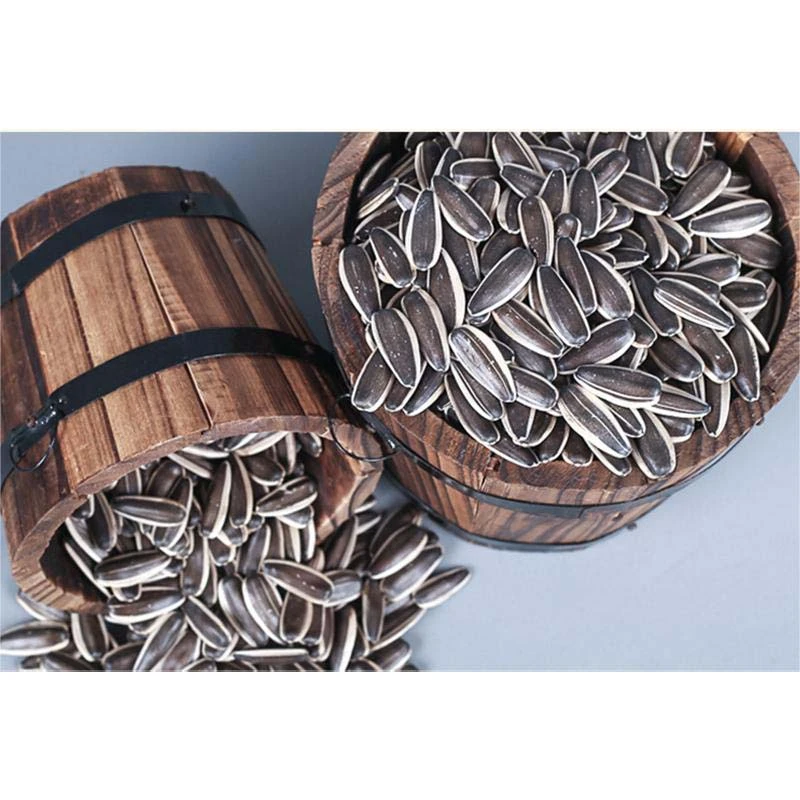
Sunflower seed composition is primarily determined by genetics, but significantly influenced by environmental factors during maturation. The seed comprises the hull (pericarp – approximately 25-35% of seed weight), the kernel (cotyledons – 65-75%), and the embryo. The hull is composed of cellulose, hemicellulose, and lignin, providing physical protection. The kernel’s oil content varies based on cultivar, typically ranging from 40-60% (oleic, linoleic, and palmitic acids are dominant). Protein content is around 18-25%, and carbohydrates constitute approximately 20%. Manufacturing begins with controlled pollination to ensure genetic purity. Seed harvesting is timed precisely to maximize oil content and minimize seed shattering. Post-harvest processing involves cleaning (removal of debris), drying (to 8-10% moisture content to prevent fungal growth – crucial parameter control utilizes forced-air dryers with temperature monitoring to avoid protein denaturation), dehulling (optional, depending on end-use), grading (based on size and density), and treatment with fungicides and insecticides (compliant with regional regulations). Seed coating with polymers and micronutrients is increasingly common to enhance germination and seedling vigor. Quality control at each stage is paramount, utilizing near-infrared spectroscopy (NIRS) for oil content analysis and germination tests adhering to ISTA standards.
Performance & Engineering
Performance is governed by several key engineering principles. Germination rate is influenced by water uptake kinetics, which is dependent on hull permeability and seed coat integrity. Force analysis related to seed implantation depth and soil compaction impacts emergence success. Environmental resistance is critical; sunflower seeds must withstand temperature fluctuations, UV radiation, and moisture stress. Seed dormancy, controlled by abscisic acid (ABA) and gibberellic acid (GA) levels, requires precise management. Compliance requirements include adherence to national seed laws regarding germination percentage, purity, and freedom from prohibited weed seeds (as defined by OECD Seed Schemes). Functional implementation involves optimized seedbed preparation (soil moisture, temperature, and aeration) and appropriate planting depth (typically 2.5-5 cm, dependent on soil type). Seed coating technology leverages polymer matrices to deliver targeted nutrients and protect against soilborne pathogens. Furthermore, consideration must be given to the seed’s response to soil pH and salinity, particularly in arid and semi-arid regions. Bio-priming technologies, utilizing beneficial microorganisms, are also gaining traction to enhance stress tolerance.
Technical Specifications
| Parameter | Unit | Standard Variety | High-Oleic Variety |
|---|---|---|---|
| Germination Rate | % | ≥ 85 | ≥ 88 |
| Oil Content | % (dry weight basis) | 44-48 | 60-70 |
| Moisture Content | % | 8-10 | 8-10 |
| Purity (other crop seeds) | % | ≤ 0.1 | ≤ 0.1 |
| Inert Matter | % | ≤ 2 | ≤ 2 |
| Seed Size (1000 seed weight) | g | 5-7 | 6-8 |
Failure Mode & Maintenance
Failure modes in sunflower seeds commonly include: 1) Low Germination: Caused by seed aging, improper storage (high temperature/humidity promoting fungal growth), mechanical damage during harvest/processing, or seed dormancy issues. 2) Fungal Infections: Botrytis cinerea, Sclerotinia sclerotiorum, and Rhizoctonia solani can cause seed rot and seedling damping-off. 3) Insect Damage: Seed beetles and moths can infest stored seeds, reducing viability. 4) Physiological Stress: Exposure to extreme temperatures or drought during seed development can lead to reduced vigor. 5) Genetic Degradation: Repeated self-pollination can lead to inbreeding depression and reduced hybrid vigor. Maintenance strategies involve: proper storage in cool, dry conditions (≤ 10°C and ≤ 60% relative humidity); seed treatment with fungicides and insecticides; periodic seed health testing; genetic monitoring to prevent inbreeding; and utilizing high-quality seed sources with certified purity and germination rates. Regular cleaning of storage facilities to eliminate insect and fungal reservoirs is also critical. Preventative measures are prioritized as remediation is often ineffective once significant damage has occurred.
Industry FAQ
Q: What is the significance of oil content percentage and how is it measured reliably?
A: Oil content directly correlates with yield and economic return. It’s reliably measured using Near-Infrared Spectroscopy (NIRS), a non-destructive method providing rapid analysis. NIRS correlates spectral reflectance with known oil content based on pre-established calibration models. Calibration requires regular validation using reference methods like Soxhlet extraction.
Q: How does seed dormancy impact planting schedules and what methods are used to manage it?
A: Seed dormancy prevents germination even under favorable conditions. It’s controlled by plant hormones (ABA & GA). Managing dormancy involves stratification (cold, moist storage), scarification (physical abrasion of the seed coat), or chemical treatments with gibberellic acid. Proper dormancy management is crucial for synchronous emergence.
Q: What are the primary concerns regarding seed-borne diseases and what preventative measures are effective?
A: Key diseases include Botrytis, Sclerotinia, and Rhizoctonia. Preventative measures include seed treatment with broad-spectrum fungicides, using disease-free seed sources, implementing crop rotation, and optimizing planting density for improved air circulation.
Q: What is the role of genetic purity in ensuring consistent crop performance?
A: Genetic purity ensures that the desired traits (oil profile, disease resistance, yield potential) are consistently expressed in the field. Maintaining purity requires controlled pollination, rigorous seed selection, and regular genetic testing (e.g., marker-assisted selection).
Q: How do storage conditions impact seed viability over time, and what are the optimal parameters?
A: Viability declines with time due to metabolic processes and deterioration of seed structures. Optimal storage involves low temperature (≤ 10°C), low relative humidity (≤ 60%), and protection from light and insects. Periodic germination testing is vital to monitor viability during storage.
Conclusion
Sunflower seed quality is a multi-faceted parameter determined by genetics, agricultural practices, and post-harvest handling. Maintaining high germination rates, optimal oil content, and freedom from disease are essential for maximizing yield and economic returns. A comprehensive understanding of the material science underlying seed structure, coupled with rigorous quality control measures throughout the production process, is paramount for consistently delivering high-performing seed lots.
Future advancements will likely focus on enhancing seed vigor through bio-priming techniques, developing cultivars with improved stress tolerance, and leveraging precision agriculture technologies for optimized seedbed preparation and planting practices. Continued research into seed dormancy mechanisms and storage optimization will further contribute to maintaining seed viability and ensuring a stable supply of high-quality sunflower seeds for the agricultural industry.
