Introduction
Sunflower seeds for planting represent a critical input for the edible oil, confectionary, and increasingly, biofuel industries. The market for agricultural sunflower seeds is driven by global demand for sunflower oil and the growing trend toward plant-based protein sources. This guide provides a comprehensive technical overview of sunflower seed quality parameters, manufacturing processes involved in seed preparation, performance characteristics related to germination and oil content, potential failure modes during storage and processing, and relevant industry standards. A key pain point for industrial buyers is consistent seed quality impacting yield and oil extraction efficiency. Variations in oil content, moisture levels, and genetic purity directly affect profitability. The selection of appropriate seed varieties tailored to specific agroclimatic zones is also a major consideration for large-scale planting operations.
Material Science & Manufacturing
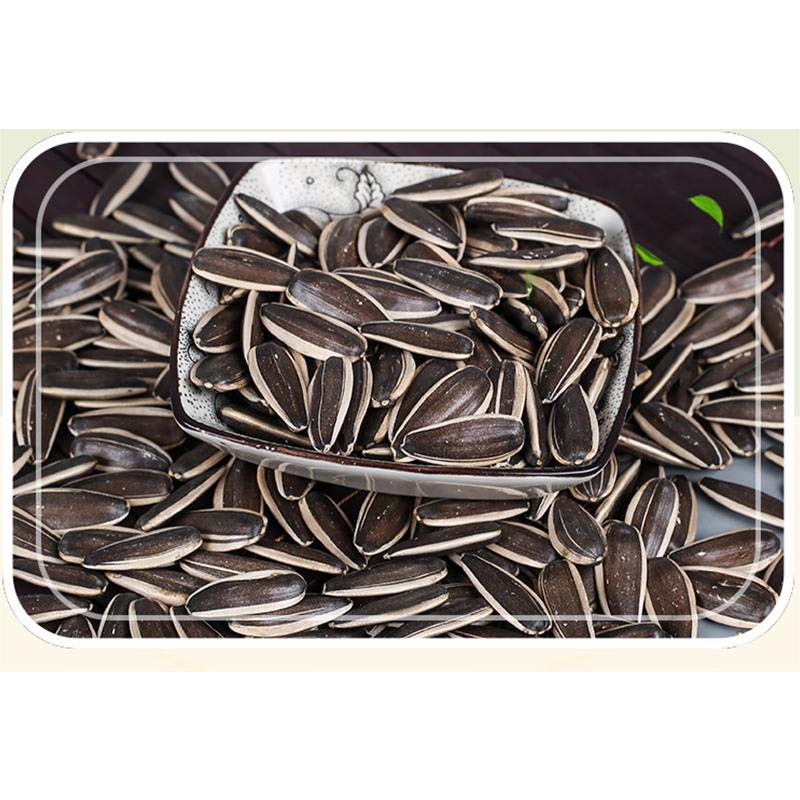
Sunflower seed composition is primarily characterized by its oil content (38-58%), protein (18-26%), fiber (28-35%), and moisture (typically 9-12%). The hull, or pericarp, constitutes approximately 20-30% of the seed’s weight and provides physical protection. Oil content varies significantly between seed varieties, classified as high-oleic, mid-oleic, and linoleic. High-oleic varieties are preferred for their improved oxidative stability. Manufacturing begins with hybrid seed development, utilizing controlled pollination techniques to maximize heterosis (hybrid vigor). Seed harvesting is typically mechanized, followed by cleaning to remove debris, chaff, and weed seeds. Drying is a crucial step, reducing moisture content to below 9% to inhibit fungal growth and enzymatic activity. Drying methods include forced-air drying and fluidized bed drying, with temperature control being critical to prevent seed damage. Seed sizing and grading are then performed to ensure uniformity. Chemical treatments, such as fungicides and insecticides, may be applied to protect seeds during storage and early growth stages, contingent on regulatory approvals and buyer specifications. Seed coating with polymers improves flowability and facilitates precision planting.
Performance & Engineering
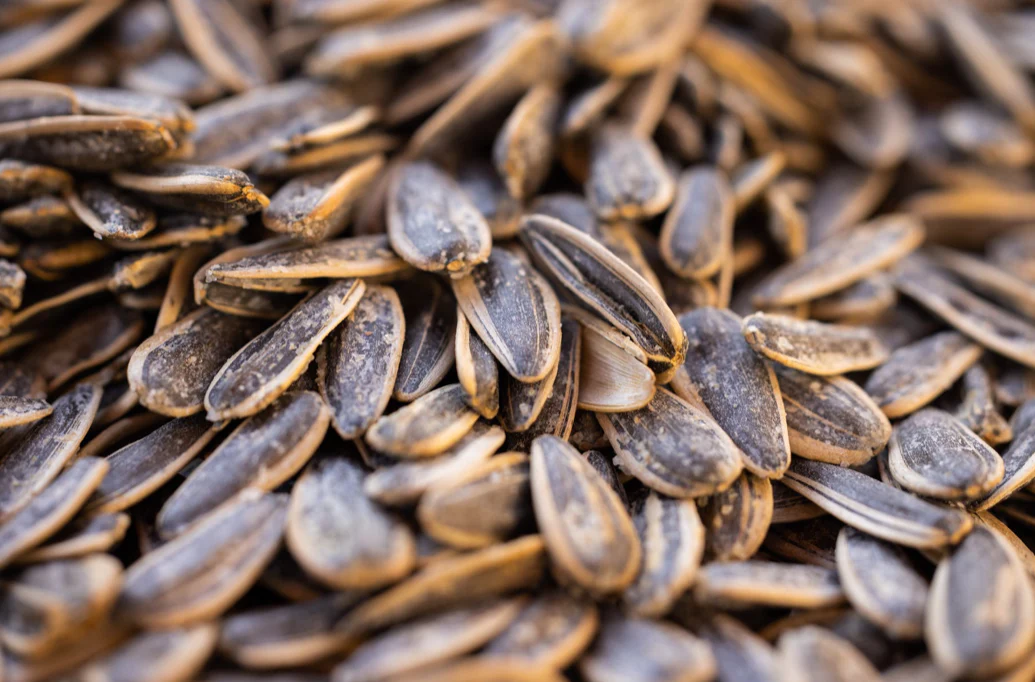
Germination rate is a primary performance indicator, directly correlating with successful crop establishment. Engineering considerations include seed drill design to ensure accurate seed placement and depth. Seed dormancy, influenced by seed coat permeability and hormonal factors, impacts germination timing. Environmental factors such as soil temperature, moisture availability, and light exposure significantly influence germination success. Force analysis during planting considers the force required to penetrate the soil and the seed’s resistance to cracking. Sunflower plants exhibit phototropism and heliotropism, influencing growth patterns and maximizing sunlight capture. Oil yield is engineered through selection for high-oleic acid content and increased kernel size. Compliance requirements include adherence to seed labeling regulations (GMO status, treatment chemicals), phytosanitary certifications preventing the spread of pests and diseases, and traceability protocols ensuring seed origin and quality control. Stress tolerance (drought, heat, salinity) is increasingly important in adapting to climate change.
Technical Specifications
| Oil Content (%) | Germination Rate (%) | Moisture Content (%) | Purity (%) |
|---|---|---|---|
| 44-52 | 85-95 | 8.5-9.5 | 98-99.5 |
| 48-56 | 88-98 | 8.0-9.0 | 99-99.8 |
| 50-58 | 90-99 | 7.5-8.5 | 99.5-99.9 |
| 42-50 | 80-90 | 9.0-10.0 | 97-99 |
| 46-54 | 86-96 | 8.2-9.2 | 98.5-99.5 |
| 40-48 | 75-85 | 9.5-10.5 | 96-98 |
Failure Mode & Maintenance
Sunflower seeds are susceptible to several failure modes. Physical damage during harvesting and processing (cracking, chipping) reduces germination potential. Insect infestation (e.g., weevils) can render seeds unviable. Fungal growth, particularly Aspergillus and Penicillium, produces mycotoxins, making the seeds unsuitable for consumption or planting. Lipid peroxidation during storage leads to reduced oil quality and germination rates. Deterioration is accelerated by high temperatures and humidity. Maintenance strategies include proper drying and storage in cool, dry, well-ventilated facilities. Regular monitoring for insect activity and fungal contamination is crucial. Seed treatments with appropriate fungicides and insecticides can prevent spoilage. Implementing a robust quality control program with periodic germination testing is essential to ensure seed viability. Proper silo cleaning and pest control measures are vital to prevent contamination during bulk storage. Furthermore, packaging materials must provide adequate barrier properties against moisture and oxygen to maintain seed quality.
Industry FAQ
Q: What is the acceptable level of erucic acid in sunflower seeds destined for edible oil production?
A: Modern sunflower varieties are bred for low erucic acid content. Generally, levels below 2% are required to meet food safety standards and consumer preferences. Higher erucic acid levels can pose health risks and affect oil quality.
Q: How does seed size distribution impact the performance of precision planting equipment?
A: Uniform seed size is critical for accurate seed metering and spacing in precision planters. Large variations in seed size can lead to inconsistent seed spacing, impacting plant population and yield. Grading seeds based on size ensures optimal performance.
Q: What are the implications of seed dormancy on planting schedules and germination rates?
A: Seed dormancy, the inability of viable seeds to germinate under favorable conditions, can delay germination and reduce plant stand. Seed treatments or stratification (cold, moist storage) may be required to break dormancy and promote uniform germination.
Q: What are the key differences between conventional and hybrid sunflower seeds in terms of yield and disease resistance?
A: Hybrid seeds typically exhibit higher yields and improved disease resistance due to heterosis (hybrid vigor). Conventional seeds, while less expensive, often have lower yields and are more susceptible to diseases. Hybrid seeds are generally preferred for large-scale commercial production.
Q: What is the recommended storage temperature and humidity for maintaining sunflower seed viability over extended periods?
A: The ideal storage conditions for sunflower seeds are a temperature of 10-15°C (50-59°F) and a relative humidity of 40-50%. Maintaining these conditions minimizes seed deterioration and preserves germination potential for several years.
Conclusion
Sunflower seed quality is a complex attribute determined by genetic factors, agronomic practices, and post-harvest handling. Understanding the material science behind seed composition, coupled with rigorous quality control measures throughout the manufacturing process, is paramount for ensuring optimal performance. Industrial buyers must prioritize seed purity, germination rate, and oil content to maximize yield and profitability.
Continued innovation in seed breeding, precision agriculture technologies, and storage management will be critical for adapting to changing environmental conditions and meeting the growing global demand for sunflower seeds and their derived products. Adherence to international standards and best practices is fundamental for ensuring product integrity and sustainability within the sunflower seed industry.
