Introduction
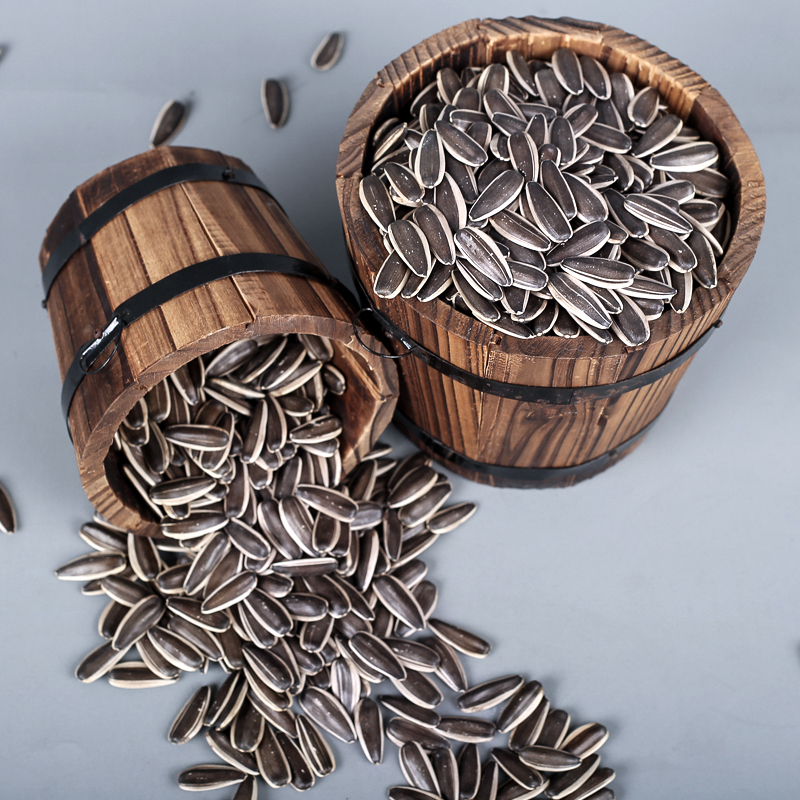
Sunflower seeds for planting represent a critical input for the edible oil, confectionary, and increasingly, biofuel industries. These seeds are not merely a commodity; they are a biologically complex system defined by genetic purity, oil content, fatty acid profile, and resistance to prevalent pathogens and pests. The industrial procurement of sunflower seeds necessitates a rigorous understanding of these parameters to ensure consistent yield, oil quality, and profitability. This guide provides a comprehensive technical overview for procurement managers and engineers involved in sourcing sunflower seeds for large-scale planting operations, focusing on the scientific principles governing seed performance and quality control. The selection process directly impacts oil yield (typically 40-50% by weight), protein content (20-25%), and the overall economic viability of agricultural endeavors. Seed quality is further impacted by adherence to phytosanitary regulations and proper post-harvest handling, aspects that will be thoroughly examined.
Material Science & Manufacturing
Sunflower seed composition fundamentally revolves around the kernel and hull. The kernel comprises the embryo, endosperm (primarily storage for oil and protein), and seed coat. The hull (pericarp) provides physical protection. Raw material quality begins with the genetics of the Helianthus annuus species, and breeding programs focus on optimizing oil content and fatty acid profiles (oleic, linoleic). Manufacturing, in this context, refers to the agricultural practices involved in seed production, harvesting, drying, dehulling (often minimal for planting seed), sizing, and treatment. Moisture content at harvest is crucial – ideally between 9-12% to prevent fungal growth and aflatoxin contamination. Drying processes, often utilizing forced air, must be carefully controlled to avoid thermal damage to the embryo. Seed treatment typically involves fungicide and insecticide coatings, employing active ingredients such as imidacloprid and tebuconazole. The adhesion and persistence of these coatings are governed by polymer chemistry and application techniques, impacting their efficacy. Seed vigor, assessed through germination rate and seedling growth, is significantly affected by the ratio of carbohydrates, proteins, and lipids within the endosperm, impacted by environmental conditions during seed development. Physical properties like seed size and weight correlate with vigor, with larger, heavier seeds generally exhibiting better performance. Impurities, such as weed seeds or broken kernels, impact seed quality and are assessed through visual inspection and sieve analysis.
Performance & Engineering
The performance of sunflower seeds is dictated by several interconnected factors. Germination rate, measured as the percentage of seeds that successfully emerge, is a primary indicator. This is influenced by seed viability, soil moisture, temperature, and oxygen availability. Seedling vigor, the subsequent growth rate, is critical for establishing a strong crop stand and competing with weeds. Oil yield is engineered through breeding for increased kernel size and oil content. Fatty acid composition, particularly the oleic/linoleic acid ratio, impacts oil stability and suitability for various applications (edible oil, biodiesel). Environmental resistance is key; cultivars must be adapted to regional climate conditions, including drought tolerance, heat tolerance, and resistance to prevalent diseases like downy mildew and rust. Force analysis considers the impact of mechanical harvesting and handling on seed integrity. Seed cracking during harvest leads to reduced germination and potential fungal entry. Compliance requirements involve adherence to national and international seed regulations, including phytosanitary certificates and labeling standards. Seed treatment application rates must comply with permissible limits set by regulatory bodies to minimize environmental impact and ensure food safety. The performance of treated seeds must be validated through laboratory bioassays to confirm efficacy against targeted pests and pathogens.
Technical Specifications
| Parameter | Unit | Standard Specification | Test Method |
|---|---|---|---|
| Germination Rate | % | ≥ 85 | ISTA Method 200 |
| Moisture Content | % | 9 – 12 | ISTA Method 200 (Oven Drying) |
| Oil Content | % (Dry Weight Basis) | ≥ 40 | Soxhlet Extraction (AOCS Official Method) |
| Oleic Acid Content | % of Total Fatty Acids | ≥ 60 (High Oleic Varieties) | Gas Chromatography (AOCS Official Method) |
| Purity (Seed Lot) | % | ≥ 99 | Visual Inspection & Seed Identification |
| Inert Matter | % | ≤ 2 | Sieve Analysis & Weight Measurement |
Failure Mode & Maintenance
Sunflower seed failure modes are diverse. Physical damage during harvesting (cracking, chipping) reduces viability and increases susceptibility to fungal infection. Premature germination during storage, triggered by high moisture content or fluctuating temperatures, leads to reduced vigor. Fungal contamination (e.g., Fusarium, Aspergillus) results in mycotoxin production (aflatoxins), rendering the seeds unsuitable for consumption or planting. Insect infestation (e.g., storage beetles) causes seed damage and reduces quality. Degradation of seed treatment coatings reduces their protective efficacy. Oxidation of lipids within the kernel leads to rancidity and reduced oil quality. Maintenance strategies revolve around proper storage conditions: cool, dry, and well-ventilated environments (temperature <15°C, relative humidity <65%). Regular monitoring of seed moisture content is crucial. Implement integrated pest management (IPM) strategies to minimize insect infestation. Rotate seed lots to ensure freshness. Adherence to first-in, first-out (FIFO) inventory management principles minimizes storage duration. Periodic germination testing assesses seed viability and informs storage adjustments.
Industry FAQ
Q: What is the significance of the oleic/linoleic acid ratio in sunflower oil, and how does it impact seed selection?
A: The oleic/linoleic acid ratio determines the oil's oxidative stability and end-use applications. High-oleic sunflower oil is more stable at high temperatures, making it ideal for frying and industrial applications. Linoleic oil is valued for its nutritional properties. Seed selection should align with the desired oil profile based on market demand and processing capabilities.
Q: What are the key considerations for assessing the risk of aflatoxin contamination in sunflower seeds?
A: Aflatoxin contamination is a major concern. Risk factors include drought stress during seed development, insect damage, and improper storage. Procurement protocols should prioritize seeds from regions with minimal drought risk. Seed should be visually inspected for fungal growth, and laboratory testing for aflatoxin levels is mandatory to ensure compliance with regulatory limits.
Q: How does seed size and weight correlate with planting performance and yield potential?
A: Generally, larger and heavier seeds possess greater nutrient reserves, leading to more vigorous seedlings and improved emergence rates. This translates to better crop establishment and potentially higher yields. However, seed size is not the sole determinant of performance, and genetic factors also play a crucial role.
Q: What is the role of seed treatment in protecting sunflower seeds during early stages of growth?
A: Seed treatment protects seeds and seedlings from soilborne pathogens and insect pests during the vulnerable early stages of growth. Fungicides control fungal diseases like damping-off, while insecticides protect against damaging insects. Proper seed treatment enhances germination, improves seedling vigor, and reduces the need for subsequent pesticide applications.
Q: What are the critical factors to consider when evaluating a supplier's quality control processes for sunflower seeds?
A: Assess the supplier’s adherence to recognized quality standards (e.g., ISO 9001). Verify their seed testing protocols (germination, purity, moisture content, oil content, aflatoxin levels). Inspect their storage facilities for proper temperature and humidity control. Request documentation of seed treatment application rates and active ingredients. Conduct independent seed sampling and analysis for verification.
Conclusion
The procurement of sunflower seeds for planting factories is a complex process demanding a thorough understanding of seed science, agricultural practices, and quality control parameters. Optimizing seed performance requires careful consideration of genetic factors, environmental conditions, and post-harvest handling procedures. Consistent adherence to established technical specifications and rigorous testing protocols are paramount for ensuring high germination rates, robust seedling vigor, and ultimately, maximizing oil yield and profitability.
Future advancements in sunflower breeding will likely focus on enhancing drought tolerance, disease resistance, and oil quality characteristics. Implementing data-driven seed selection strategies, incorporating predictive modeling based on environmental factors, and leveraging precision agriculture technologies will further refine the procurement process, leading to more sustainable and efficient sunflower production systems.
