
Introduction
Sunflower seeds for planting represent a significant segment of the global oilseed market, driven by increasing demand for edible oil, animal feed, and confectionary products. As an export commodity, sunflower seeds are subject to stringent quality control measures, phytosanitary regulations, and logistical considerations. This technical guide provides a comprehensive overview of the critical factors governing the quality, performance, and handling of sunflower seeds intended for planting, aimed at supporting exporters in meeting international standards and addressing key industry pain points. The core performance attributes influencing market value center around germination rate, oil content, genetic purity, and freedom from disease. Understanding these factors is paramount for ensuring customer satisfaction and maintaining a competitive edge in the global market. A key challenge for exporters lies in consistently meeting diverse import requirements concerning seed certification, treatment protocols, and allowable levels of contaminants.
Material Science & Manufacturing
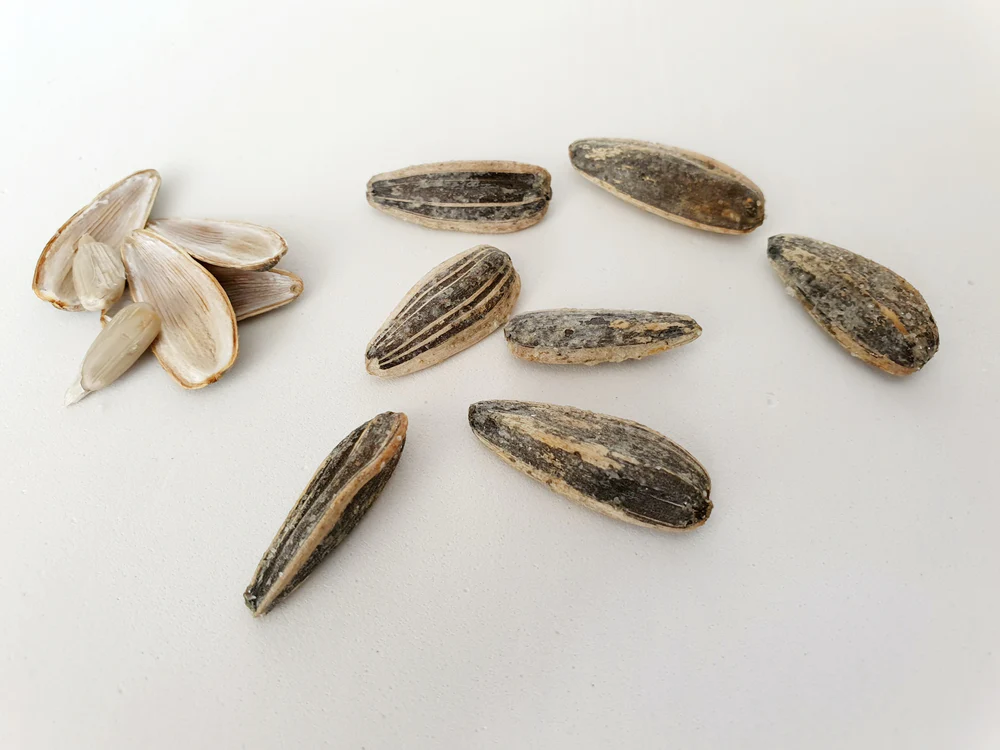
Sunflower seeds ( Helianthus annuus) are primarily composed of oil (40-60%), protein (18-25%), fiber (25-35%), and moisture (approximately 9-12% at harvest). The oil content varies significantly depending on the hybrid variety and growing conditions. The hull, or pericarp, provides a protective layer and contributes to the seed's physical characteristics. Manufacturing, in this context, refers to the post-harvest processing steps crucial for preserving seed viability and quality. This includes cleaning (removal of debris, chaff, and broken seeds), drying (reduction of moisture content to 8-9% for storage), sizing (separation of seeds based on diameter), and treatment (application of fungicides or insecticides as per import regulations). Drying is a critical step, employing controlled temperature and airflow to prevent thermal damage to the embryo. Seed treatments typically involve polymer coatings containing active ingredients, ensuring even distribution and reducing dust exposure. Key parameter control involves monitoring seed moisture content, germination rate during processing, and the effectiveness of seed treatments. Varietal purity is maintained through careful breeding programs and rigorous seed testing procedures. Chemical compatibility of seed treatments with seed components is vital to avoid germination inhibition. Improper drying leads to seed cracking and fungal growth, while excessive heat can denature proteins, reducing germination potential.
Performance & Engineering
The performance of sunflower seeds for planting is primarily determined by their germination rate, seedling vigor, and genetic uniformity. Germination rate is influenced by seed viability, dormancy, and environmental conditions (temperature, moisture, oxygen availability). Seedling vigor relates to the speed and robustness of initial growth, impacting crop establishment and yield potential. Force analysis during handling (impact during harvesting, transport, and planting) must consider the seed coat’s tensile strength to minimize mechanical damage. Environmental resistance is critical; seeds must withstand temperature fluctuations during storage and transport, as well as potential exposure to adverse weather conditions post-planting. Compliance requirements vary by importing country, often including adherence to phytosanitary standards (e.g., ISPM No. 27 for pest control) and seed certification schemes (e.g., OECD Seed Schemes). Functional implementation involves proper seed placement at the correct depth and spacing, which depends on seed size, soil type, and planting equipment. Seed treatments must be engineered to provide protection against seed-borne diseases and insect pests without negatively impacting germination or seedling development. The effective delivery and adhesion of seed treatments are essential for performance. Consideration must be given to the potential for leaching of treatment chemicals due to rainfall or irrigation.
Technical Specifications
| Parameter | Unit | Typical Range (Oilseed Varieties) | Testing Method |
|---|---|---|---|
| Germination Rate | % | ≥ 85 | ISTA Method 200 |
| Oil Content | % (Dry Basis) | 40 - 58 | AOAC Official Method 985.07 |
| Moisture Content | % | 8 - 9 | ISTA Method 200 |
| Purity (Varietal) | % | ≥ 98 | ISTA Method 301 |
| 1000-Seed Weight | g | 5 - 10 | ISTA Method 208 |
| Seed Size (Diameter) | mm | 12 – 18 | Visual Inspection / Sieve Analysis |
Failure Mode & Maintenance
Sunflower seeds are susceptible to several failure modes impacting their planting performance. Physical Damage: Cracking, chipping, or abrasion of the seed coat during handling can reduce germination rates and increase susceptibility to fungal infection. Physiological Deterioration: Loss of viability due to aging, improper storage conditions (high temperature, humidity), or genetic factors. This leads to reduced germination and seedling vigor. Pathogen Infection: Seed-borne fungal diseases (e.g., Sclerotinia sclerotiorum, Phomopsis helianthi) can cause pre- and post-emergence damping-off, leading to seedling mortality. Insect Damage: Infestation by storage pests can result in seed weight loss and reduced germination. Treatment Failure: Ineffective or uneven application of seed treatments can leave seeds vulnerable to disease and insect attack. Maintenance to prevent these failures includes controlled storage environments (low temperature, low humidity), careful handling procedures to minimize mechanical damage, regular seed testing for viability and purity, and proper application of seed treatments. Post-harvest drying must be optimized to prevent cracking. Routine inspections of storage facilities are necessary to detect and address pest infestations. Failure analysis involves examining seed lots with poor germination rates to identify the underlying cause (e.g., physical damage, pathogen infection). Seed viability can be preserved through the use of desiccant packaging and controlled atmosphere storage.
Industry FAQ
Q: What is the acceptable level of moisture content in sunflower seeds for long-term storage?
A: The acceptable level of moisture content for long-term storage of sunflower seeds is typically between 8% and 9%. Higher moisture content promotes fungal growth and reduces seed viability. Maintaining this level requires proper drying techniques after harvest and storage in a cool, dry environment.
Q: How do different seed treatments affect germination rates?
A: Seed treatments, while beneficial for protecting against diseases and pests, can sometimes negatively impact germination rates if not properly formulated or applied. The concentration of the active ingredient, the compatibility with seed components, and the application method are all critical factors. Always follow the manufacturer’s recommendations and conduct germination tests after treatment to verify effectiveness and assess any potential negative effects.
Q: What seed certification schemes are commonly recognized internationally?
A: The OECD Seed Schemes are widely recognized internationally for ensuring seed quality and genetic purity. Other schemes include those implemented by national seed authorities, such as those in the United States, Canada, and the European Union. Compliance with these schemes is often a requirement for import.
Q: What are the key phytosanitary regulations for exporting sunflower seeds?
A: Key phytosanitary regulations typically involve compliance with ISPM No. 27 (Standards for Phytosanitary Measures) regarding pest risk analysis and quarantine procedures. Importing countries may also have specific requirements for seed treatment to prevent the introduction of regulated pests. A phytosanitary certificate issued by the exporting country’s national plant protection organization is usually required.
Q: How can we minimize mechanical damage to sunflower seeds during harvesting and handling?
A: Minimizing mechanical damage requires careful adjustment of harvesting equipment to reduce seed cracking and abrasion. Gentle handling during cleaning, drying, and packaging is also crucial. Using conveyor systems with cushioned surfaces and avoiding dropping seeds from excessive heights can help reduce damage. Proper storage in robust containers that protect against impact is essential during transport.
Conclusion
Sunflower seed quality for planting is a multifaceted attribute determined by material properties, meticulous manufacturing processes, and adherence to stringent performance standards. Understanding the critical interplay between oil content, germination rates, and genetic purity is paramount for exporters seeking to thrive in the competitive global market. Addressing industry pain points such as meeting diverse import regulations and minimizing seed deterioration requires a proactive approach to quality control, storage management, and pest mitigation.
Continued innovation in seed treatment technologies and storage techniques will be essential for enhancing the long-term viability and performance of sunflower seeds. Further research into the genetic factors influencing germination vigor and environmental resilience will also contribute to improved crop establishment and yield potential. By prioritizing technical expertise and a commitment to quality, exporters can ensure the consistent delivery of high-performing sunflower seeds to customers worldwide.
