Introduction
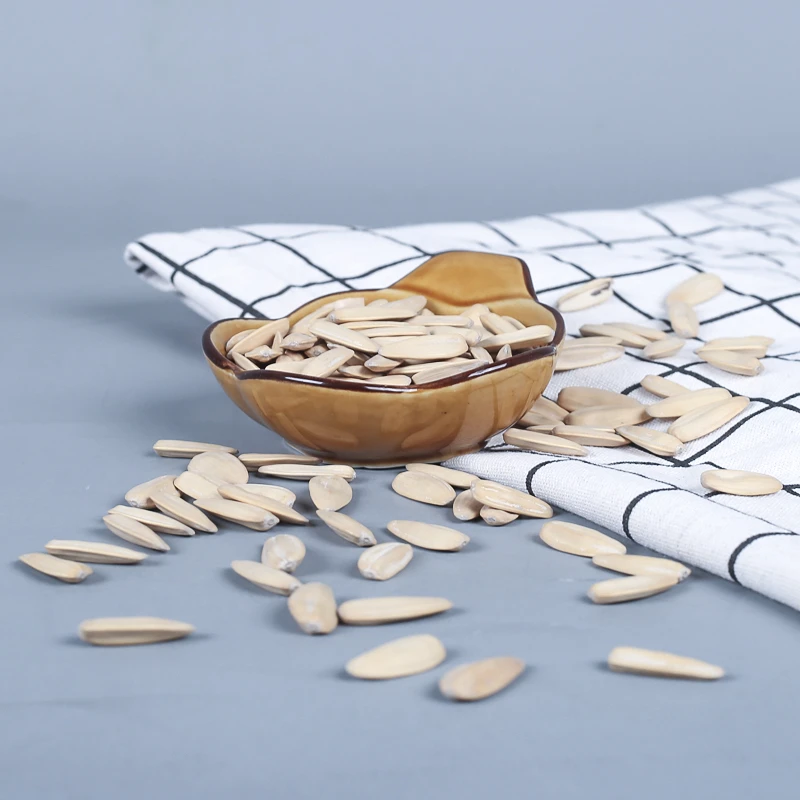
Sunflower seeds for planting represent a significant commodity within the agricultural export market. These seeds, primarily from Helianthus annuus, are utilized for oil production, confectionary purposes, and birdseed, driving substantial global demand. Their viability and genetic purity are paramount, dictating yield and quality for the end-user – farmers and processors. This technical guide details the critical factors influencing the quality of sunflower seeds for planting export, covering material science, manufacturing processes, performance characteristics, potential failure modes, and relevant industry standards. The core pain point within the industry revolves around ensuring consistent germination rates, minimizing seed-borne diseases, and maintaining optimal oil content within the seeds, all while adhering to stringent international phytosanitary regulations. The increasing demand for non-GMO varieties further complicates sourcing and quality control.
Material Science & Manufacturing
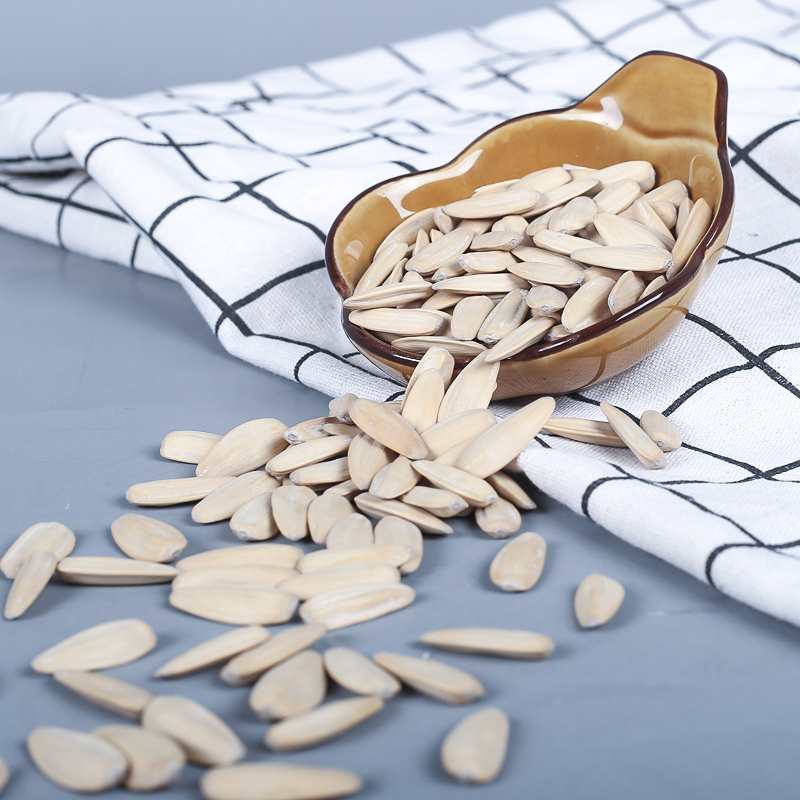
Sunflower seeds comprise several key components relevant to their performance as planting material. The seed coat (pericarp) provides physical protection and consists primarily of cellulose, hemicellulose, and lignin, contributing to mechanical strength and barrier properties. The embryo, the core of the seed, contains the developing plant and is rich in proteins, carbohydrates, and lipids. The endosperm serves as a nutrient reserve, containing primarily starch and oil. Oil content, typically ranging from 40-50% depending on the variety, is a critical parameter. Manufacturing begins with hybrid seed production, utilizing controlled pollination to maximize heterosis (hybrid vigor). Seed harvesting requires precise timing to minimize field losses and damage. Post-harvest processing involves cleaning to remove debris, sizing to standardize seed dimensions, and drying to reduce moisture content to approximately 8-10% for safe storage. Drying temperature is critical; exceeding 45°C can denature proteins and reduce germination capacity. Seed treatment with fungicides and insecticides is common to protect against seed-borne pathogens and pests, but must comply with import regulations of destination countries. Parameter control during drying (temperature, airflow) and treatment (application rate, coverage) are essential for maintaining seed quality. Seed coating, often utilizing polymers and micronutrients, is increasingly prevalent to enhance germination and early seedling vigor. The polymer chemistry involved must ensure non-toxicity and biodegradability.
Performance & Engineering
The performance of sunflower seeds is primarily evaluated through germination rate, seedling vigor, and oil content. Germination rate is determined by subjecting a sample of seeds to controlled temperature and moisture conditions, adhering to ISTA (International Seed Testing Association) standards. Seedling vigor, assessed through root and shoot length measurements, indicates the seed's ability to establish a strong seedling. Force analysis of the seed coat reveals its resistance to cracking and damage during handling and planting. Environmental resistance is evaluated through stress tests, including exposure to varying temperatures, humidity levels, and simulated aging conditions. Compliance requirements are extensive, encompassing phytosanitary certificates (meeting ISPM No. 33 standards), GMO labeling regulations (EU Regulation 1829/2003), and seed purity standards (OECD Seed Schemes). Functional implementation demands a balance between seed size, weight, and oil content to optimize planting efficiency and yield potential. The mechanical properties of the seed coat, particularly its tensile strength and elasticity, influence its ability to withstand the stresses encountered during mechanical planting. Seed moisture content must be maintained within a specific range to prevent cracking or fungal growth during storage and transport.
Technical Specifications
| Parameter | Unit | Typical Value | Acceptable Range |
|---|---|---|---|
| Germination Rate | % | 90 | ≥ 85 |
| Moisture Content | % | 9 | 8 - 11 |
| Oil Content | % | 46 | 42 - 52 |
| Purity | % | 99.5 | ≥ 99 |
| 1000-Seed Weight | g | 6 | 5 - 7 |
| Seed Size (Diameter) | mm | 10-12 | 9-14 |
Failure Mode & Maintenance
Sunflower seeds are susceptible to several failure modes. Mechanical damage during handling and transport can lead to cracked seed coats, reducing germination rate. Fungal infections, such as Botrytis cinerea or Sclerotinia sclerotiorum, can cause seed rot and reduce viability. Insect infestation, particularly by storage pests, can damage the embryo and endosperm. Physiological deterioration due to improper storage conditions (high temperature, humidity) can reduce seed quality. Oxidation of lipids within the seed can lead to rancidity and reduced germination capacity. Failure analysis often involves microscopic examination of seed structure to identify damage or infection, and laboratory tests to assess germination rate and oil content. Maintenance involves proper storage in cool, dry conditions (5-10°C, <60% relative humidity). Regular monitoring for insect infestation is crucial. Seed treatment with appropriate fungicides and insecticides can prevent fungal infections and pest damage. Quality control measures throughout the supply chain, from harvesting to storage and transport, are essential for minimizing failure rates. Implementing a First-In, First-Out (FIFO) inventory system ensures older seed stocks are utilized before newer ones.
Industry FAQ
Q: What is the acceptable level of seed-borne disease for export?
A: The acceptable level of seed-borne disease is highly dependent on the import regulations of the destination country. Generally, the regulations align with EPPO (European and Mediterranean Plant Protection Organization) standards and often require official phytosanitary certificates demonstrating compliance with specific pathogen limitations. Zero tolerance is common for quarantine pests.
Q: How is oil content verified, and what are the implications of low oil content?
A: Oil content is typically verified using Near-Infrared (NIR) spectroscopy, a rapid and non-destructive method. Low oil content directly impacts the profitability for oilseed processors and can lead to price reductions. It may also indicate genetic deficiencies or suboptimal growing conditions.
Q: What are the key considerations regarding GMO status?
A: Many countries, particularly within the EU, have strict regulations regarding genetically modified organisms (GMOs). Exporters must provide documentation confirming the non-GMO status of the seeds, often through PCR testing and adherence to segregation protocols throughout the supply chain.
Q: What packaging materials are recommended for long-term seed storage during export?
A: Moisture-proof and airtight packaging is essential. Multi-layer bags incorporating aluminum foil or polyethylene liners are commonly used. The packaging material should be resistant to tearing and puncture during handling and transport. Palletization and shrink-wrapping provide added protection.
Q: How can we ensure consistent germination rates across different batches?
A: Implementing robust quality control measures at each stage of the process – hybrid seed production, harvesting, drying, treatment, and storage – is critical. Regular germination testing, using standardized protocols (ISTA), and maintaining detailed records are essential for identifying and addressing any inconsistencies.
Conclusion
Sunflower seeds for planting export require meticulous attention to detail, encompassing material science, precise manufacturing processes, and stringent quality control. Maintaining optimal germination rates, high oil content, and freedom from seed-borne diseases are paramount for meeting the demands of international markets. Understanding and adhering to diverse regulatory requirements – encompassing phytosanitary standards, GMO labeling, and seed purity – is critical for successful export operations.
Looking forward, advancements in seed coating technologies and genetic breeding will likely play an increasingly important role in enhancing seed performance and resilience. Traceability systems utilizing blockchain technology may become more prevalent, providing greater transparency and accountability throughout the supply chain. Continued investment in research and development will be essential for addressing the evolving challenges and opportunities within the global sunflower seed market.
