
Introduction
Butterscotch melon seeds, Cucumis melo var. saccharinus, represent a specialized agricultural product with growing demand in niche markets focusing on traditional medicine, oil production, and increasingly, culinary applications. Suppliers cater to diverse industries, ranging from pharmaceutical companies extracting bioactive compounds to food processors incorporating the seeds into confectionery or specialized oil blends. The technical position of these seeds in the agricultural chain lies between primary cultivation and specialized processing. Core performance characteristics are defined by oil content, fatty acid profile, germination rate (for propagation), and the presence of specific bioactive compounds like cucurbitacins. Understanding these parameters is crucial for quality control and determining the suitability of the seeds for specific end-uses. Industry pain points center on consistent seed quality, minimizing aflatoxin contamination, ensuring traceability, and meeting increasingly stringent international regulations regarding pesticide residues and heavy metal content. The inherent variability in seed composition, dependent on cultivar, growing conditions, and post-harvest handling, necessitates robust analytical methodologies and quality assurance systems across the supply chain.
Material Science & Manufacturing
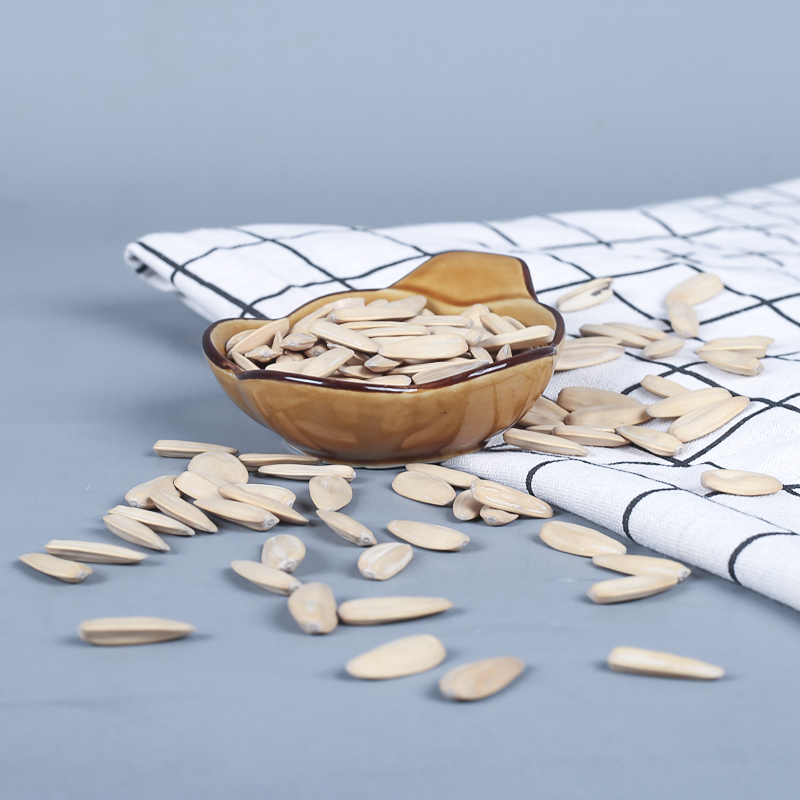
The primary material science underpinning butterscotch melon seed quality resides in its biochemical composition. Seeds comprise approximately 35-50% oil, predominantly unsaturated fatty acids – linoleic acid (omega-6) and oleic acid (omega-9) – responsible for its nutritional and industrial value. Protein content ranges from 20-25%, containing essential amino acids. The seed coat, composed of cellulose and lignin, provides structural integrity and protection. Manufacturing processes begin with agricultural cultivation, heavily influenced by soil composition, irrigation, and climate. Post-harvest, seeds undergo cleaning, drying (typically to 8-10% moisture content to inhibit mold growth), and grading based on size and visual inspection. Critical parameter control during drying is essential; excessive heat can denature proteins and degrade oil quality. Seed storage requires controlled temperature (below 15°C) and humidity (below 65%) to prevent rancidity and maintain germination viability. De-hulling, while not universally practiced, removes the outer seed coat, enhancing oil extraction efficiency but potentially reducing antioxidant content contained within the hull. Modern processing incorporates optical sorting technology to remove damaged or discolored seeds, ensuring a higher-quality product. Aflatoxin mitigation strategies, including pre-harvest fungal control and post-harvest sorting, are paramount due to the seeds’ susceptibility to Aspergillus contamination.
Performance & Engineering
Performance evaluation focuses on several key engineering properties. Oil yield, expressed as a percentage of seed weight, is a primary metric, influenced by seed variety and extraction method (cold-pressing, solvent extraction). Fatty acid profile analysis, utilizing gas chromatography-mass spectrometry (GC-MS), determines the relative proportions of saturated, monounsaturated, and polyunsaturated fatty acids, impacting oil stability and nutritional value. Germination rate, assessed under controlled laboratory conditions, indicates seed viability for propagation purposes. Environmental resistance concerns center on the seed’s susceptibility to moisture uptake and subsequent fungal growth during storage. Packaging materials with low oxygen transmission rates (OTR) and low water vapor transmission rates (WVTR) are crucial for preserving seed quality. Compliance requirements vary by destination market, encompassing regulations related to pesticide residues (e.g., Maximum Residue Limits - MRLs), heavy metal content (lead, cadmium, mercury), and aflatoxin levels (EU regulations are particularly stringent). For seed oil intended for food applications, adherence to food safety standards like HACCP (Hazard Analysis and Critical Control Points) is mandatory. Engineering considerations in seed processing equipment include minimizing seed damage during cleaning and drying to preserve oil quality and germination viability.
Technical Specifications
| Parameter | Unit | Typical Range | Test Method |
|---|---|---|---|
| Oil Content | % (Weight) | 35 – 50 | Soxhlet Extraction (AOAC) |
| Moisture Content | % (Weight) | 8 – 10 | Oven Drying (AOAC) |
| Protein Content | % (Weight) | 20 – 25 | Kjeldahl Method (AOAC) |
| Linoleic Acid (C18:2) | % of Total Fatty Acids | 50 – 65 | GC-MS (AOCS Cd 12-92) |
| Oleic Acid (C18:1) | % of Total Fatty Acids | 20 – 35 | GC-MS (AOCS Cd 12-92) |
| Aflatoxin B1 | ppb | < 2 | HPLC (AOAC) |
Failure Mode & Maintenance
Common failure modes for butterscotch melon seeds relate to loss of viability, oil degradation, and contamination. Loss of germination viability occurs due to aging, improper storage (high temperature/humidity), or physical damage during handling. Oil degradation manifests as rancidity, caused by lipid oxidation, accelerated by exposure to oxygen, light, and heat. Aflatoxin contamination, a significant concern, arises from fungal growth during pre- or post-harvest stages. Physical damage, such as cracking or bruising, provides entry points for pathogens and accelerates moisture uptake. Maintenance strategies revolve around optimized storage conditions. Seeds should be stored in airtight containers, protected from light and heat, in a cool, dry environment. Regular monitoring of moisture content and aflatoxin levels is essential. Implementing a first-in, first-out (FIFO) inventory management system minimizes storage duration. For long-term storage, controlled atmosphere storage (reducing oxygen levels) can extend viability. Preventative measures against fungal contamination include pre-harvest fungicide applications (following regulatory guidelines) and post-harvest seed treatments with antifungal agents. Implementing a robust quality control program, including regular seed testing for germination rate, oil quality, and aflatoxin levels, is crucial for identifying and mitigating potential failures.
Industry FAQ
Q: What is the typical shelf life of butterscotch melon seeds under optimal storage conditions?
A: Under optimal conditions – cool (below 15°C), dry (below 65% RH), and airtight storage – butterscotch melon seeds typically retain approximately 80-90% germination viability for 2-3 years. However, oil quality may begin to degrade after 18 months, potentially affecting its suitability for certain applications. Regular monitoring is recommended.
Q: How does the extraction method affect the quality of the oil?
A: Cold-pressing generally yields higher-quality oil with better retention of antioxidants and flavor compounds, but the oil yield is lower. Solvent extraction (e.g., using hexane) provides higher yields but can leave residual solvent traces and potentially degrade sensitive oil components. Refining processes can further improve oil clarity and stability but may also remove beneficial compounds.
Q: What are the key regulatory considerations for exporting butterscotch melon seeds to the European Union?
A: The EU has strict regulations regarding pesticide residues, heavy metal content, and aflatoxin levels. Seeds must comply with Maximum Residue Limits (MRLs) for pesticides, and aflatoxin B1 levels must be below 2 ppb. Phytosanitary certificates are also required to demonstrate freedom from pests and diseases.
Q: How can suppliers effectively minimize aflatoxin contamination?
A: A multi-pronged approach is crucial. Pre-harvest strategies include selecting disease-resistant varieties, optimizing irrigation practices to minimize stress on the plants, and applying appropriate fungicides (following regulatory guidelines). Post-harvest strategies involve careful cleaning and sorting to remove damaged seeds, proper drying to reduce moisture content, and storage in controlled conditions.
Q: What analytical methods are used to verify the fatty acid profile of the oil?
A: The primary analytical method for determining the fatty acid profile is Gas Chromatography-Mass Spectrometry (GC-MS), following established protocols like AOCS Cd 12-92. This technique separates and quantifies the different fatty acids present in the oil, providing a detailed compositional analysis.
Conclusion
Butterscotch melon seeds represent a valuable agricultural resource, demanding meticulous attention to detail throughout the supply chain. The technical complexities surrounding seed quality, oil composition, and regulatory compliance necessitate a comprehensive understanding of material science, manufacturing processes, and analytical methodologies. Consistent product quality is paramount, contingent upon optimized cultivation practices, controlled post-harvest handling, and robust quality assurance systems.
Future trends in the industry will likely focus on developing more disease-resistant cultivars, improving oil extraction efficiency, and exploring novel applications for seed-derived compounds. Adherence to sustainable agricultural practices and traceability initiatives will also become increasingly important to meet evolving consumer demands and regulatory requirements. Continued investment in research and development is crucial for unlocking the full potential of this specialized agricultural product.
