Introduction
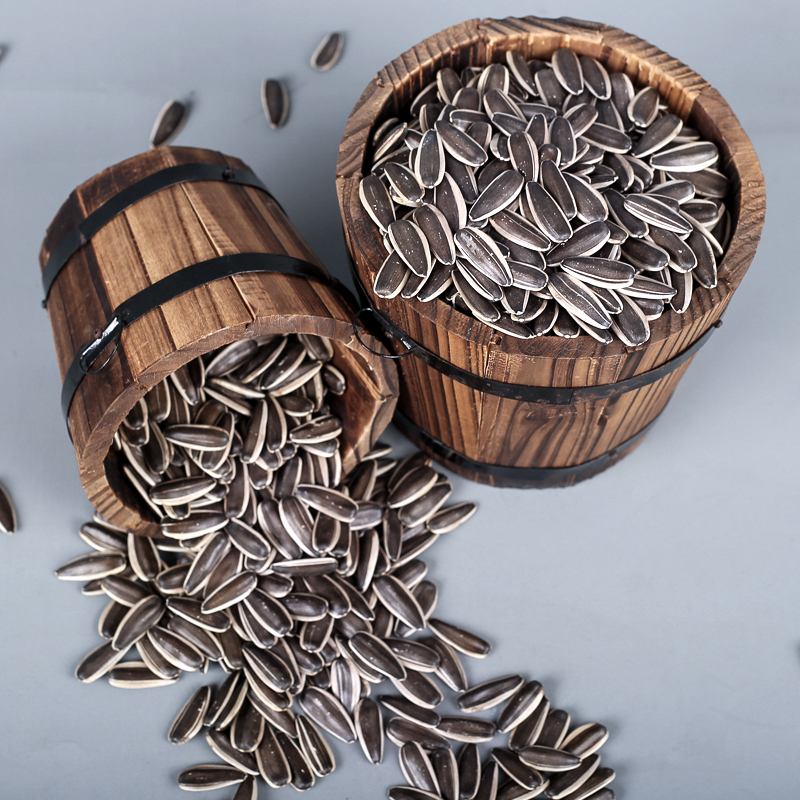
Butterscotch melon seeds, Cucumis melo var. reticulatus, represent a niche agricultural product gaining prominence in the food processing and nutraceutical industries. This technical guide details the multifaceted aspects of these seeds, moving beyond simple agricultural classification to analyze their compositional characteristics, processing methodologies, quality control parameters, and potential failure modes. Technically positioned between primary agricultural production and ingredient supply chains, butterscotch melon seeds serve as a source of oil, protein, and bioactive compounds. Core performance parameters include oil yield, protein content, fatty acid profile, germination rate (for propagation), and levels of key antioxidants. The increasing demand for plant-based protein and omega-3 fatty acids drives the growing interest in optimizing butterscotch melon seed utilization. A critical challenge within the industry lies in maintaining consistent seed quality due to variations in cultivar, growing conditions, and post-harvest handling.
Material Science & Manufacturing
Butterscotch melon seeds are primarily composed of lipids (30-45% by weight), proteins (20-30%), carbohydrates (10-15%), and moisture (5-10%). The lipid fraction is characterized by a high proportion of unsaturated fatty acids, notably linoleic acid (omega-6) and oleic acid (omega-9). The protein content consists of globulins and albumins, exhibiting varying levels of essential amino acids. The seed coat, largely composed of cellulose and hemicellulose, provides a protective barrier. Manufacturing processes typically involve cleaning, drying, dehulling, and oil extraction. Drying is critical, often employing forced-air drying to reduce moisture content to below 8% for optimal storage stability. Dehulling, mechanically removing the seed coat, is vital as the hull contains antinutritional factors. Oil extraction can be achieved through mechanical pressing (cold pressing or expeller pressing) or solvent extraction (typically using hexane). Cold pressing yields a higher quality oil but lower yield compared to solvent extraction. Key parameter control includes maintaining consistent drying temperatures (below 60°C to prevent lipid oxidation), optimizing dehulling pressure to minimize kernel damage, and controlling solvent residues during extraction to meet food safety regulations. The seed’s inherent physical properties, particularly hardness and brittleness, significantly impact the efficiency of dehulling and milling operations. Particle size distribution post-milling influences the efficiency of subsequent oil extraction.
Performance & Engineering
The performance of butterscotch melon seeds, particularly concerning oil yield and quality, is significantly impacted by the applied pressure during mechanical pressing. Force analysis reveals that optimal pressure balances maximizing oil expulsion with minimizing kernel damage and subsequent oil contamination with seed particles. Environmental resistance is primarily related to storage stability. High temperatures and humidity accelerate lipid oxidation, leading to rancidity and decreased oil quality. Oxygen transmission rate (OTR) through packaging materials is a critical factor influencing shelf life. Controlled atmosphere storage (reducing oxygen levels) can extend storage duration. Compliance requirements include adherence to food safety standards such as HACCP (Hazard Analysis and Critical Control Points) and compliance with maximum residue limits (MRLs) for solvents used during oil extraction as stipulated by regulatory bodies like the FDA (Food and Drug Administration) and EFSA (European Food Safety Authority). Functional implementation focuses on optimizing the seed’s composition for specific applications. For example, protein isolates are engineered through isoelectric precipitation to enhance solubility and emulsifying properties for use in food formulations. The seed’s oil is often refined, bleached, and deodorized to remove undesirable flavors and colors.
Technical Specifications
| Parameter | Unit | Typical Value | Test Method |
|---|---|---|---|
| Oil Content | % (by weight) | 35-45 | Soxhlet Extraction (AOCS Official Method) |
| Protein Content | % (by weight) | 22-30 | Kjeldahl Method (AOAC Official Method) |
| Moisture Content | % (by weight) | < 8 | Oven Drying (AACC Method) |
| Linoleic Acid (Omega-6) | % of total fatty acids | 50-65 | Gas Chromatography-Mass Spectrometry (GC-MS) |
| Oleic Acid (Omega-9) | % of total fatty acids | 15-30 | Gas Chromatography-Mass Spectrometry (GC-MS) |
| Germination Rate | % | >85 | ISTA Germination Test |
Failure Mode & Maintenance
Failure modes in butterscotch melon seeds can be categorized as pre-harvest, post-harvest, and processing-related. Pre-harvest failures include genetic defects, fungal infections (leading to aflatoxin contamination), and insect infestations. Post-harvest failures are dominated by lipid oxidation, resulting in rancidity and off-flavors. This is accelerated by exposure to oxygen, light, and elevated temperatures. Physical damage during handling and storage (cracking, chipping) also contributes to quality degradation. Processing-related failures include incomplete dehulling (leaving residual hull material), excessive heat generation during oil extraction (degrading oil quality), and solvent residues exceeding regulatory limits. Maintenance strategies encompass controlled storage conditions (low temperature, humidity, and oxygen levels), implementing robust quality control measures at each stage of processing, utilizing appropriate packaging materials with low OTR, and adhering to Good Manufacturing Practices (GMP). Regular monitoring of lipid oxidation markers (peroxide value, anisidine value) is crucial. Preventive maintenance of processing equipment, including regular cleaning and calibration, is essential to minimize physical damage and maintain optimal performance. Proper seed cleaning to remove foreign materials and damaged seeds before storage is a critical preventative measure.
Industry FAQ
Q: What is the optimal storage temperature and humidity for maintaining butterscotch melon seed quality?
A: The optimal storage conditions are a temperature between 5-10°C and a relative humidity below 60%. Maintaining these conditions minimizes lipid oxidation and preserves germination viability. Controlled atmosphere storage (reducing oxygen levels to below 5%) can further extend shelf life.
Q: How do different oil extraction methods (cold pressing vs. solvent extraction) impact the oil’s nutritional profile and sensory characteristics?
A: Cold pressing yields a lower oil yield but preserves more of the natural antioxidants and volatile compounds, resulting in a superior sensory profile (flavor and aroma). Solvent extraction results in a higher yield but can degrade some heat-sensitive compounds and potentially leave residual solvent traces, requiring further refining.
Q: What are the primary concerns regarding aflatoxin contamination in butterscotch melon seeds, and how can it be mitigated?
A: Aflatoxins are carcinogenic mycotoxins produced by Aspergillus fungi. Contamination occurs primarily during pre-harvest and post-harvest stages, particularly under warm and humid conditions. Mitigation strategies include selecting disease-resistant cultivars, implementing proper agricultural practices to minimize fungal growth, rigorous seed cleaning and sorting, and employing advanced analytical techniques for aflatoxin detection.
Q: What are the key parameters to monitor during the dehulling process to ensure minimal kernel damage and maximize oil yield?
A: Key parameters include dehulling pressure, feed rate, and the clearance between the rotating dehuller components. Monitoring the percentage of unhulled seeds and the level of kernel breakage is crucial. Optimizing these parameters minimizes damage to the oil-bearing kernel, maximizing oil yield and preserving oil quality.
Q: What analytical methods are commonly used to assess the quality and purity of butterscotch melon seed oil?
A: Common analytical methods include gas chromatography-mass spectrometry (GC-MS) for fatty acid profiling, peroxide value and anisidine value for assessing lipid oxidation, acid value for determining free fatty acid content, and refractive index for evaluating oil purity. Spectrophotometric analysis can also be used to detect the presence of contaminants.
Conclusion
Butterscotch melon seeds present a valuable and increasingly important resource within the agricultural and food processing sectors. Understanding their complex material science, optimized manufacturing processes, and critical performance parameters is paramount for maximizing their utility and ensuring product quality. Maintaining stringent quality control throughout the entire supply chain – from cultivation to oil extraction – is vital to address potential failure modes and meet evolving regulatory requirements.
Future research should focus on developing improved dehulling technologies to minimize kernel damage and enhance oil yield, identifying cultivars with enhanced resistance to fungal infections and aflatoxin production, and exploring novel applications for butterscotch melon seed protein and fiber. Optimizing storage conditions and packaging materials to extend shelf life and preserve nutritional value remains a key priority for the industry.
