Introduction
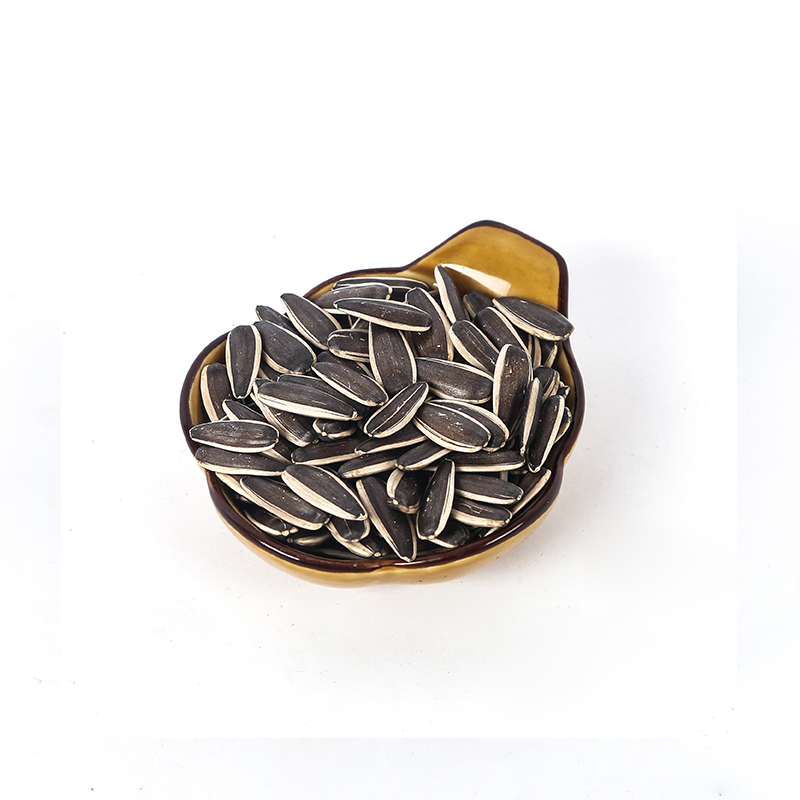
Butterscotch melon seeds represent a specialized agricultural product increasingly utilized in the functional food, nutraceutical, and cosmetic industries. Positioned within the post-harvest processing chain of Cucumis melo var. reticulatus (cantaloupe/muskmelon) varieties exhibiting a specific ‘butterscotch’ flavor profile, these seeds are not simply a byproduct, but a valuable resource. Their appeal stems from a unique fatty acid composition, significant protein content, and the presence of bioactive compounds. Core performance characteristics center on oil yield, protein digestibility, antioxidant capacity (measured by ORAC and DPPH assays), and sensory attributes following processing (roasting, milling). Current market drivers include growing consumer demand for plant-based proteins, omega-3 fatty acid sources, and natural cosmetic ingredients. The increasing focus on minimizing agricultural waste streams also positions these seeds as a commercially viable and environmentally responsible product.
Material Science & Manufacturing
The primary raw material, butterscotch melon seeds, are composed of approximately 35-45% oil, 25-30% protein, 15-20% carbohydrates (primarily fiber), and 5-10% moisture. The oil is characterized by a high concentration of linoleic acid (omega-6) and oleic acid (omega-9) fatty acids. Protein analysis reveals a significant presence of glutamic acid, leucine, and arginine. Manufacturing begins with seed extraction from mature, fully ripened butterscotch melons. Critical parameters include maturity index (based on soluble solids content and firmness), seed moisture content (optimal range 8-12% for storage), and cleanliness (removal of pulp and debris). Processing steps typically involve washing, drying (using controlled-temperature air drying to prevent lipid oxidation), dehulling (mechanical abrasion or enzymatic methods), sorting (based on size and density), and storage (in airtight containers under cool, dry conditions). Oil extraction utilizes mechanical pressing (cold-pressing preferred to preserve bioactive compounds) or solvent extraction (hexane, requiring subsequent refining). Protein isolation involves aqueous extraction followed by isoelectric precipitation or membrane filtration. Key control parameters during oil extraction include pressure, temperature, and extraction time. Protein isolation requires precise pH control and temperature management to maximize yield and minimize denaturation.
Performance & Engineering
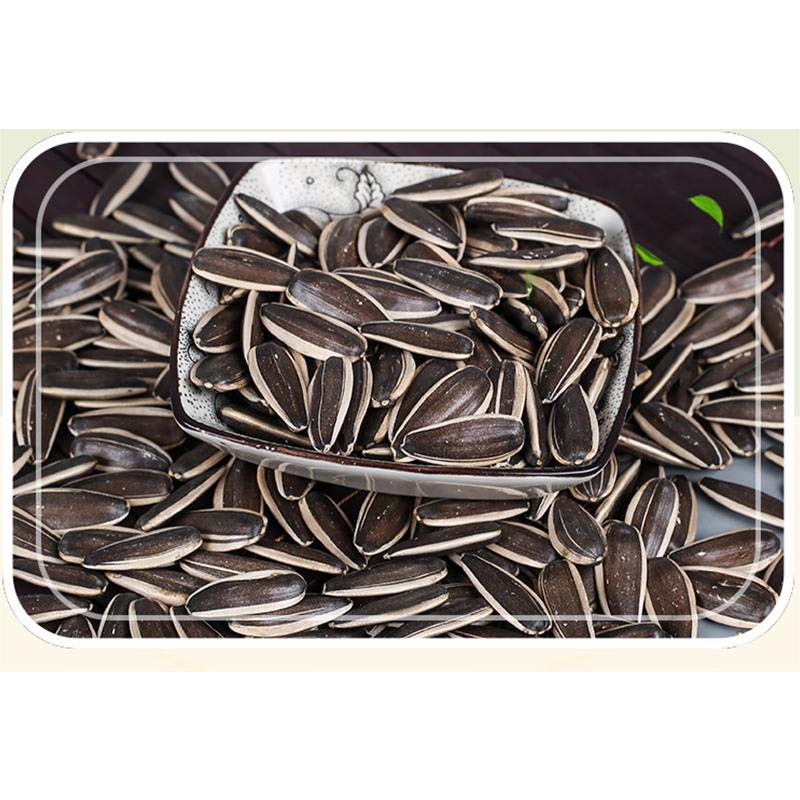
The performance of butterscotch melon seeds, and derived products, is significantly influenced by the integrity of the cellular structure and chemical composition. Oil yield is dependent on seed maturity and the efficiency of the extraction process. Mechanical pressing requires careful force analysis to maximize oil release without damaging the protein matrix. The oxidative stability of the oil is critical; antioxidants (Vitamin E, tocopherols) naturally present in the seeds degrade over time, leading to rancidity. Environmental resistance concerns primarily revolve around moisture absorption during storage, which promotes microbial growth and enzymatic degradation. Proper packaging (airtight, moisture-barrier materials) is essential. Compliance requirements include adherence to food safety standards (HACCP, GMP) and regulations regarding solvent residues (if solvent extraction is employed). For cosmetic applications, purity and absence of allergenic compounds must be verified. Functional implementation requires consideration of particle size distribution (for incorporation into food formulations) and emulsification properties (for cosmetic creams and lotions). The protein's amino acid profile dictates its nutritional value and potential for functional food applications (e.g., protein bars, shakes).
Technical Specifications
| Parameter | Unit | Specification (Typical) | Test Method |
|---|---|---|---|
| Oil Content | % (by weight) | 38-42 | Soxhlet Extraction (AOAC 920.39) |
| Protein Content | % (by weight, N x 6.25) | 26-30 | Kjeldahl Method (AOAC 978.05) |
| Moisture Content | % (by weight) | 8-10 | Oven Drying (AOAC 925.09) |
| Acid Value | mg KOH/g | <2.0 | Titration (AOCS Cd 3-63) |
| Peroxide Value | meq O2/kg | <5.0 | Titration (AOCS Cd 8-53) |
| Linoleic Acid (C18:2) | % of total fatty acids | 50-60 | Gas Chromatography (AOCS Ce 1-62) |
Failure Mode & Maintenance
Failure modes for butterscotch melon seeds and their processed products primarily fall into categories of lipid oxidation, protein denaturation, and microbial spoilage. Lipid oxidation, leading to rancidity, is a major concern. This is accelerated by exposure to oxygen, light, heat, and trace metal ions. Preventative measures include packaging under nitrogen, adding natural antioxidants (e.g., rosemary extract, Vitamin E), and storing in cool, dark conditions. Protein denaturation can occur during processing (e.g., excessive heat during oil extraction) or storage, reducing solubility and functionality. Maintaining optimal pH and temperature is crucial. Microbial spoilage results from fungal or bacterial contamination, typically due to high moisture content or inadequate sanitation. Proper drying, airtight packaging, and controlled storage environments are essential. For oil, clouding or sedimentation can indicate degradation. For protein isolates, loss of solubility or color changes may indicate denaturation. Maintenance protocols involve regular monitoring of moisture content, peroxide value, and microbial load. Shelf-life studies are critical to determine optimal storage conditions and expiration dates. Proper inventory management (FIFO - First In, First Out) minimizes the risk of prolonged storage and degradation.
Industry FAQ
Q: What is the optimal storage temperature and humidity for maintaining the quality of raw butterscotch melon seeds?
A: The optimal storage conditions are a temperature between 10-15°C (50-59°F) and a relative humidity below 65%. Higher temperatures accelerate lipid oxidation and enzymatic activity, while higher humidity promotes microbial growth. Airtight containers are essential to prevent moisture absorption.
Q: How does the oil extraction method (cold-pressing vs. solvent extraction) affect the nutritional profile of the resulting oil?
A: Cold-pressing, while yielding a slightly lower oil quantity, preserves more of the heat-sensitive bioactive compounds, such as Vitamin E and phytosterols. Solvent extraction, using hexane, can result in a higher oil yield but requires rigorous refining to remove residual solvent, potentially affecting the oil's natural composition.
Q: What are the primary contaminants to monitor during seed processing, and how are they detected?
A: Primary contaminants include mycotoxins (produced by fungi), pesticide residues (if the melons were treated), and heavy metals. Mycotoxins are detected using HPLC-MS/MS. Pesticide residues are detected using GC-MS/MS. Heavy metal content is analyzed using Atomic Absorption Spectroscopy (AAS).
Q: What is the typical shelf life of butterscotch melon seed oil, and how can it be extended?
A: The typical shelf life of butterscotch melon seed oil is 6-12 months under optimal storage conditions (cool, dark, airtight). Shelf life can be extended by adding natural antioxidants (rosemary extract, Vitamin E), packaging under nitrogen, and storing at refrigerated temperatures.
Q: Is the protein isolate from butterscotch melon seeds considered a complete protein, and what are its limiting amino acids?
A: While the protein isolate contains all essential amino acids, it is not considered a ‘complete’ protein in the strictest sense. It is somewhat limiting in methionine and cysteine. However, it can be effectively combined with other plant protein sources to create a complete amino acid profile.
Conclusion
Butterscotch melon seeds represent a compelling example of valorizing agricultural byproducts, offering a sustainable source of valuable oil, protein, and bioactive compounds. Their unique fatty acid profile, combined with the growing demand for plant-based ingredients, positions them favorably in the functional food, nutraceutical, and cosmetic industries. Successful commercialization hinges on meticulous control of processing parameters, stringent quality control measures, and effective preservation techniques to mitigate degradation and ensure product stability.
Future research should focus on optimizing oil extraction methods to maximize yield and preserve bioactive compounds, exploring novel protein isolation techniques, and developing innovative applications for seed-derived products. Investigating the potential for genetic improvement of butterscotch melon varieties to enhance seed oil content and protein quality could further increase the economic viability of this valuable resource. Addressing potential allergenicity concerns and conducting comprehensive safety assessments will be crucial for widespread adoption.
