Introduction
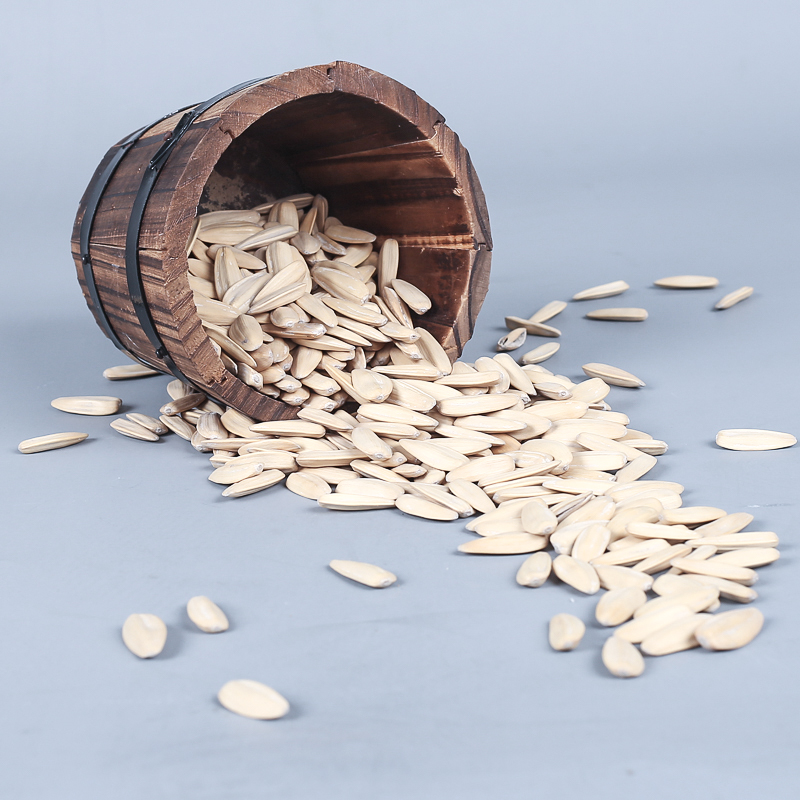
Butterscotch melon seeds, Cucumis melo var. cantalupensis, represent a critical component within the global horticulture and agricultural supply chain. This technical guide details the intricacies of their production, encompassing seed morphology, germination physiology, genetic purity assurance, and post-harvest handling. Unlike commodity seeds, butterscotch melon seeds require precise control over genetic lineage to guarantee consistent fruit characteristics – specifically, the distinctive butterscotch flavor profile and the optimal textural qualities demanded by both fresh produce markets and processed food manufacturers. The industry faces ongoing challenges related to seedborne diseases, maintaining genetic stability through successive generations, and optimizing seed viability under varying storage conditions. This guide addresses these core pain points with a detailed examination of best practices, international standards, and potential failure modes.
Material Science & Manufacturing
The foundation of high-quality butterscotch melon seeds lies in the parent plant’s genetic material and the subsequent seed development process. The seed coat, primarily composed of lignocellulose, provides physical protection against mechanical damage and environmental stressors. Its permeability, regulated by the cuticle layer, governs water uptake during imbibition and germination. Seed endosperm composition includes starch, proteins, and lipids, constituting the primary energy reserve for seedling establishment. Manufacturing begins with controlled pollination, typically hand-pollination, to ensure genetic purity and prevent cross-contamination. Harvesting occurs at physiological maturity, characterized by a change in rind color and ease of seed separation. Seeds are then extracted, cleaned (removing pulp and debris), dried (to approximately 7-8% moisture content), and graded based on size and weight. Drying is critical; rapid drying minimizes fungal growth and maintains viability. Parameter control focuses on temperature (maintained below 40°C to prevent protein denaturation) and air velocity. Post-drying treatments often include seed coating with protectants (fungicides, insecticides) and polymers to improve flowability and handling during planting. Specific polymers used include polyethylene glycol (PEG) and polyvinylpyrrolidone (PVP), selected for their compatibility with germination processes.
Performance & Engineering
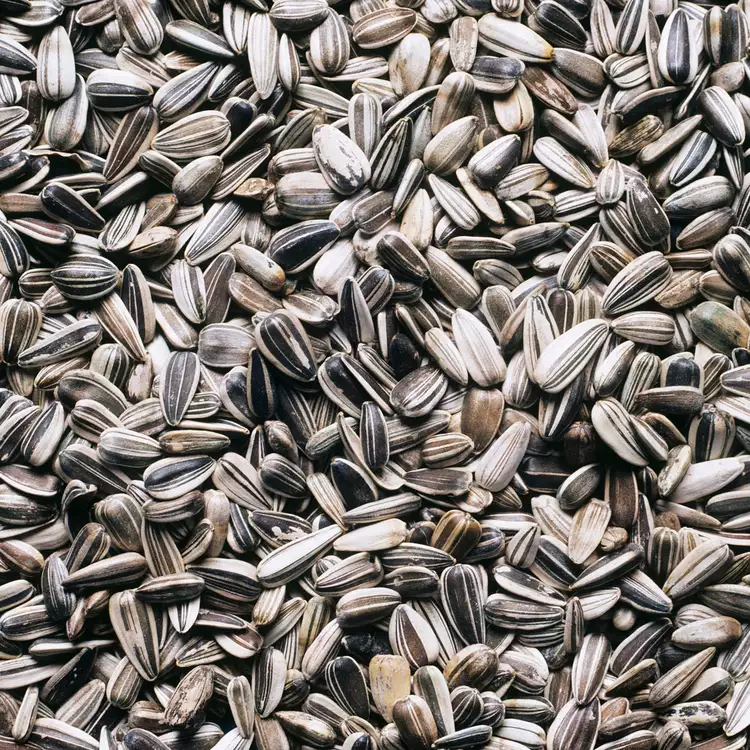
Seed performance is directly correlated to germination rate, seedling vigor, and ultimate fruit yield. Germination rate is influenced by factors such as seed dormancy, temperature, moisture availability, and oxygen levels. Dormancy, a physiological state preventing immediate germination, is often broken through chilling stratification (exposure to low temperatures) or hormonal treatments (gibberellic acid). Engineering considerations center around optimizing seedbed conditions – soil temperature, moisture content, and nutrient availability – to maximize germination success. Force analysis related to seed planting equipment must account for seed fragility to minimize mechanical damage. Environmental resistance is paramount; seeds must withstand fluctuations in temperature and humidity during storage and transport. Seed coatings enhance resistance to fungal pathogens and insect pests. Compliance requirements include adherence to national seed laws regulating seed quality, labeling, and phytosanitary certification. Specifically, certification programs verify genetic purity, germination rate, and freedom from prohibited weed seeds. Seed longevity, critical for maintaining a stable seed supply, is assessed through accelerated aging tests, subjecting seeds to elevated temperature and humidity to simulate long-term storage.
Technical Specifications
| Parameter | Unit | Specification | Test Method |
|---|---|---|---|
| Germination Rate | % | ≥ 85 | ISTA Procedure |
| Moisture Content | % | 7.0 - 8.0 | Oven Drying Method |
| Genetic Purity | % | ≥ 99 | Molecular Marker Analysis |
| Seed Viability | % | ≥ 90 (after 12 months storage) | Tetrazolium Test |
| Seed Weight (1000 seeds) | g | 180 - 220 | Precision Balance |
| Seedborne Disease Incidence | % | ≤ 0.1 | Laboratory Assay |
Failure Mode & Maintenance
Butterscotch melon seeds are susceptible to several failure modes. Seed deterioration, caused by enzymatic degradation of storage reserves, leads to reduced germination rate and seedling vigor. This is accelerated by high temperature and humidity. Mechanical damage during handling and processing, such as cracking or abrasion of the seed coat, compromises seed viability. Fungal infections, particularly Fusarium and Alternaria species, can cause seed decay and seedling damping-off. Insect infestation, by storage pests like weevils, results in seed consumption and reduced quality. Maintenance strategies focus on proper storage conditions – cool (5-10°C), dry (<60% relative humidity), and dark. Seed treatments with fungicides and insecticides protect against pathogens and pests. Regular monitoring of seed stocks for signs of deterioration or infestation is crucial. Implementing a First-In, First-Out (FIFO) inventory system ensures that older seed lots are used before newer ones. Furthermore, periodic viability testing provides an accurate assessment of seed quality over time and informs decisions regarding seed replacement. Failure analysis should include microscopic examination of damaged seeds to identify the root cause of failure – mechanical damage, fungal infection, or insect activity.
Industry FAQ
Q: What is the significance of genetic purity in butterscotch melon seed production?
A: Genetic purity is paramount. Butterscotch melon flavor and texture are genetically determined. Variations in genetic lineage can lead to inconsistent fruit quality, affecting market acceptance and profitability. Maintaining high genetic purity ensures uniformity and predictability in fruit characteristics, fulfilling consumer expectations and maintaining brand reputation.
Q: How does seed moisture content impact long-term storage?
A: Moisture content is a critical determinant of seed longevity. High moisture content accelerates enzymatic activity and microbial growth, leading to seed deterioration. Maintaining a moisture content of 7-8% significantly slows down these processes, extending seed viability for several years.
Q: What are the most effective methods for controlling seedborne diseases?
A: Effective control involves a multi-faceted approach. Using disease-free parent plants, implementing seed treatments with broad-spectrum fungicides, and maintaining proper storage conditions are essential. Regular laboratory testing for seedborne pathogens allows for early detection and preventative measures.
Q: What is the role of seed coating in enhancing seed performance?
A: Seed coating serves multiple functions. It can improve seed flowability during planting, protect against mechanical damage, deliver nutrients and beneficial microbes directly to the seed, and provide a barrier against fungal pathogens and insect pests. The choice of coating material depends on the specific needs and target environment.
Q: How does temperature affect seed germination and viability?
A: Temperature directly influences metabolic activity within the seed. Optimal germination temperatures vary depending on the specific butterscotch melon variety, but generally fall within the range of 25-30°C. High temperatures can reduce viability, while low temperatures can delay or inhibit germination. Maintaining consistent and optimal temperature is critical for successful germination.
Conclusion
Butterscotch melon seed production is a complex process requiring precise control over genetic, physiological, and environmental factors. Maintaining high germination rates, genetic purity, and seed viability are crucial for ensuring consistent fruit quality and maximizing yield. A comprehensive understanding of seed morphology, manufacturing processes, and potential failure modes is essential for industry professionals involved in seed production, processing, and distribution.
Future advancements in seed technology will likely focus on developing improved seed coatings with enhanced protection against diseases and pests, utilizing molecular marker-assisted selection to accelerate genetic improvement, and employing precision agriculture techniques to optimize seedbed conditions for maximum germination success. Continuous monitoring of seed quality and adherence to international standards will remain paramount for sustaining a reliable supply of high-quality butterscotch melon seeds.
