Introduction
Butterscotch melon seed processing facilities represent a critical node in the agricultural supply chain, bridging the gap between farm cultivation and consumer access to these increasingly popular seeds for direct consumption, oil extraction, and potential medicinal applications. This technical guide provides an in-depth examination of the engineering, material science, and quality control aspects inherent in modern butterscotch melon seed factories. The industry faces core challenges surrounding seed viability preservation, efficient cleaning and sorting, contamination prevention (mycotoxins, pesticides), and maintaining seed integrity during storage and transportation. This document details the processes used to overcome these obstacles, adhering to rigorous international standards for food safety and agricultural production. Core performance metrics focus on seed germination rates post-processing, oil yield percentage, and the maintenance of nutritional value. The rising demand for healthy snacks and plant-based oils is driving increased scrutiny of seed quality and processing efficiency, necessitating advanced technological implementations within these facilities.
Material Science & Manufacturing
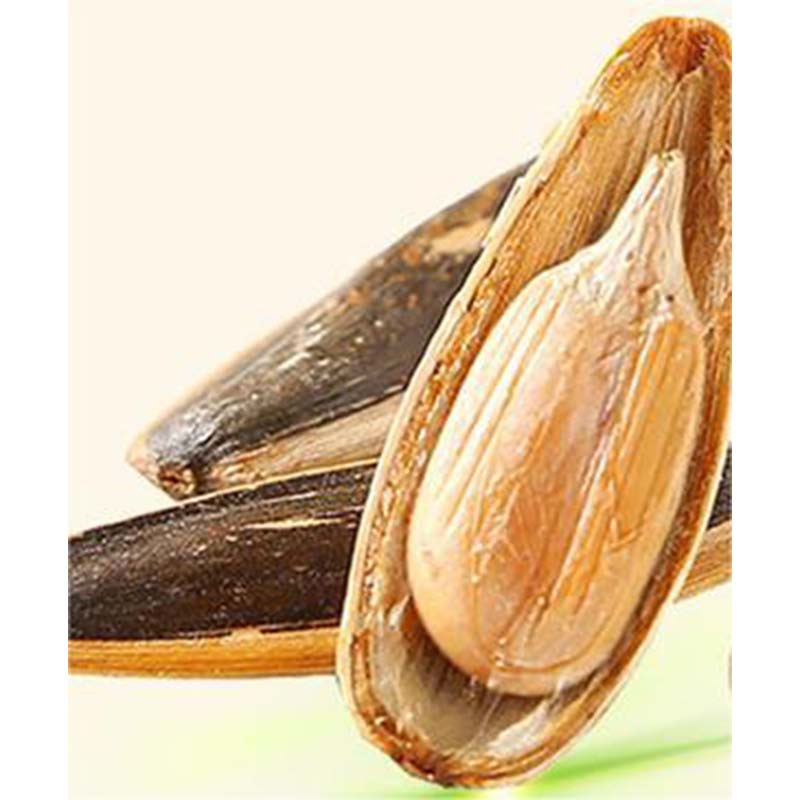
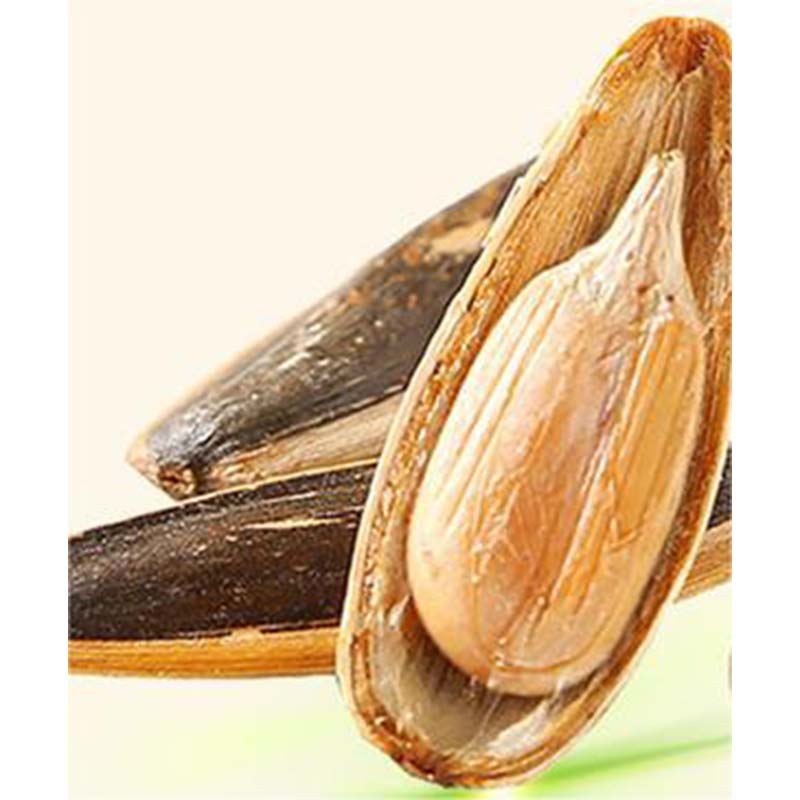
Butterscotch melon seeds themselves are composed primarily of lipids (30-50%), proteins (20-30%), carbohydrates (15-25%), and moisture (5-10%), with trace amounts of vitamins and minerals. The seed coat, a crucial component, consists of multiple layers – the exocarp, mesocarp, and endocarp – largely comprised of cellulose, hemicellulose, and lignin, providing structural integrity and a barrier against environmental factors. Manufacturing begins with harvesting, often mechanically, followed by seed separation from the fruit pulp. This typically involves a combination of mechanical agitation, screening, and hydro-cleaning. The materials used in factory construction are critical; food-grade stainless steel (304/316) is prevalent for all surfaces in contact with the seeds due to its corrosion resistance and ease of sanitation. Conveyor belts utilize FDA-approved polymers like polyethylene (PE) or polypropylene (PP) chosen for their low coefficient of friction and chemical inertness. Parameter control during cleaning includes water quality (pH, mineral content), temperature (to prevent microbial growth), and agitation speed (to minimize seed damage). Drying, often employing fluidized bed dryers or vacuum dryers, requires precise temperature and airflow regulation to maintain seed viability. Seed grading/sizing utilizes vibrating screens made from hardened steel alloys to withstand continuous abrasion. Proper material selection and adherence to Good Manufacturing Practices (GMP) are fundamental to preventing contamination and preserving seed quality.
Performance & Engineering
The performance of a butterscotch melon seed factory is heavily reliant on optimized process engineering. Force analysis is crucial in designing seed handling systems to minimize impact damage. Impact forces during conveying and sorting must be below a threshold to prevent cracking of the seed coat, which impacts germination rates. Environmental resistance is addressed through climate-controlled storage facilities, maintaining temperature between 5-15°C and relative humidity below 65% to inhibit lipid oxidation and microbial growth. Compliance requirements are dictated by food safety regulations (HACCP, FSMA) and agricultural standards (organic certifications, pesticide residue limits). Functional implementation involves designing efficient cleaning lines, optimizing drying parameters for maximum moisture reduction without compromising seed quality, and implementing robust quality control measures at each stage. Seed moisture content is a critical parameter, generally maintained below 8% for long-term storage. The engineering of air handling systems must prevent cross-contamination between processing areas and minimize dust accumulation, a potential fire hazard. Moreover, the design must incorporate sanitation protocols and ease of disassembly for thorough cleaning. Efficient energy usage (reducing drying times, optimizing motor performance) is also a key engineering consideration.
Technical Specifications
| Parameter | Unit | Specification | Testing Method |
|---|---|---|---|
| Moisture Content | % | ≤ 8.0 | Oven Drying Method (AACC Method 30-24) |
| Germination Rate | % | ≥ 85 | Standard Germination Test (ISTA Method) |
| Oil Content | % | 35 - 50 | Soxhlet Extraction Method (AOCS Official Method) |
| Foreign Matter | % | ≤ 1.0 | Visual Inspection & Weight Analysis |
| Acid Value | mg KOH/g | ≤ 2.0 | Titration Method (AOCS Official Method) |
| Peroxide Value | meq O2/kg | ≤ 10.0 | Titration Method (AOCS Official Method) |
Failure Mode & Maintenance
Common failure modes in butterscotch melon seed processing include: fatigue cracking of conveyor components due to continuous operation; delamination of seed coatings during aggressive cleaning; degradation of seed oil due to improper storage temperature and humidity; oxidation leading to rancidity; and microbial contamination (mold growth) due to inadequate sanitation. Fatigue cracking is mitigated through regular inspection and replacement of wear parts, utilizing higher-strength materials, and implementing preventative maintenance schedules. Delamination is minimized by optimizing cleaning parameters (reducing agitation, controlling water temperature). Degradation and oxidation are addressed via climate control (temperature, humidity), packaging with inert gases (nitrogen), and the addition of natural antioxidants (Vitamin E). Microbial contamination requires strict adherence to sanitation protocols, regular disinfection of all surfaces, and monitoring of air quality. Maintenance should include daily cleaning of processing equipment, monthly lubrication of moving parts, quarterly inspection of electrical systems, and annual calibration of measurement instruments. Regular oil analysis of machinery is also crucial for identifying potential failures. Implementing a computerized maintenance management system (CMMS) can streamline maintenance scheduling and track equipment performance.
Industry FAQ
Q: What are the critical considerations for preventing mycotoxin contamination in butterscotch melon seeds?
A: Mycotoxin contamination is a significant concern. Prevention requires sourcing seeds from reputable suppliers with robust quality control programs. Thorough cleaning and sorting to remove damaged or moldy seeds are paramount. Maintaining low moisture content during storage is crucial, as is implementing regular inspections for visible mold growth. Testing for mycotoxins (aflatoxins, ochratoxins) using HPLC or ELISA methods is recommended, particularly for export markets with stringent regulations.
Q: How does the type of drying method affect seed viability and oil quality?
A: Drying method significantly impacts seed quality. High-temperature drying (e.g., conventional hot-air dryers) can damage proteins and lipids, reducing germination rates and accelerating oil oxidation. Fluidized bed dryers and vacuum dryers are preferred as they operate at lower temperatures, preserving seed viability and oil quality. Precise temperature and airflow control are essential in all drying processes.
Q: What materials are most suitable for constructing seed storage silos, and why?
A: Food-grade stainless steel is ideal for seed storage silos due to its corrosion resistance, ease of cleaning, and ability to maintain temperature control. Concrete silos are also used, but they require a specialized coating to prevent moisture absorption and microbial growth. The silos must be airtight to prevent humidity ingress and pest infestation. Monitoring temperature and humidity within the silos is critical.
Q: What are the key differences between organic and conventional butterscotch melon seed processing, from a facility perspective?
A: Organic processing requires dedicated processing lines and storage facilities to prevent cross-contamination with conventionally grown seeds. Cleaning agents and sanitizers must be certified for organic use. Strict documentation and traceability are mandatory, adhering to organic certification standards (e.g., USDA Organic, EU Organic). Pesticide residue testing is more rigorous, with lower allowable limits.
Q: How can a factory minimize energy consumption during the seed drying process?
A: Energy consumption can be minimized by optimizing dryer efficiency. This includes ensuring proper insulation, maximizing heat recovery from exhaust air, using variable frequency drives (VFDs) on fans and motors, and pre-heating the drying air. Regular maintenance of drying equipment to prevent energy leaks and ensure optimal performance is also essential.
Conclusion
Butterscotch melon seed factories require a multi-faceted approach encompassing rigorous material selection, precise process control, and adherence to stringent quality standards. Maintaining seed viability, preventing contamination, and optimizing energy efficiency are core challenges. The increasing demand for high-quality seeds necessitates continuous investment in advanced technologies and best practices.
Future development within this sector will likely focus on automation (robotic sorting, AI-powered quality control), sustainable energy solutions, and innovative packaging materials to further extend shelf life and minimize environmental impact. A commitment to ongoing research and development will be crucial for remaining competitive in this evolving market.
