Introduction
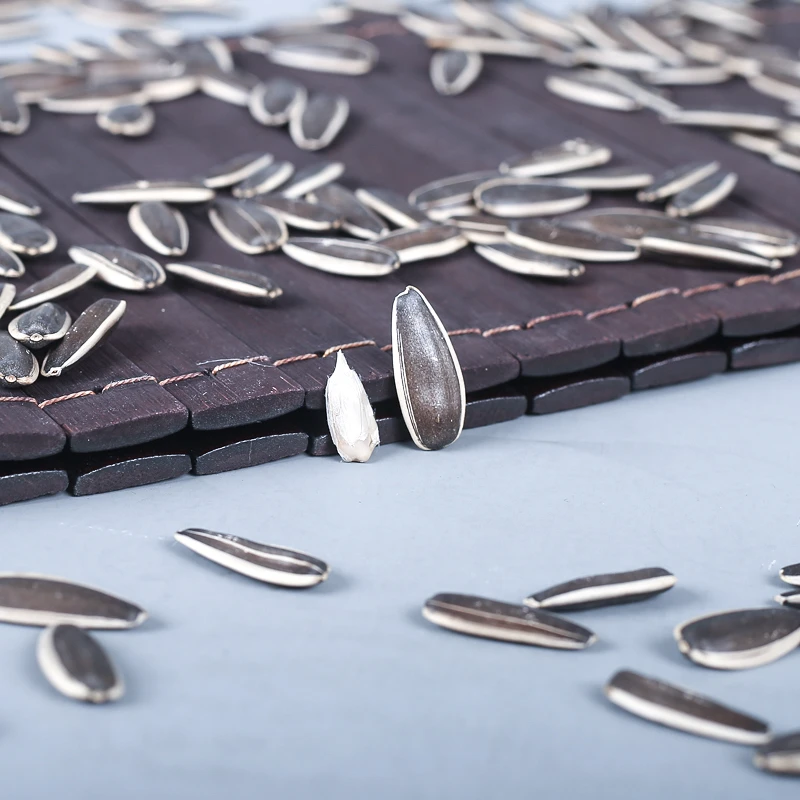
Butterscotch melon seeds, Cucumis melo var. reticulatus, represent a specialized agricultural export commodity gaining prominence due to increasing demand for healthy snack foods and the growing interest in novel seed-based ingredients. This technical guide addresses the critical factors affecting the quality, preservation, and international trade of these seeds, specifically targeting exporters. The industry chain positions butterscotch melon seed exporters between agricultural producers and food processing companies specializing in snacks, confectioneries, and potentially oil extraction. Core performance parameters revolve around seed viability (germination rate), moisture content, purity (absence of foreign matter and other seed types), oil content, and freedom from pathogens and chemical contaminants. A key industry pain point is maintaining consistent quality across batches due to inherent variations in growing conditions and post-harvest handling, leading to rejections based on stringent import regulations. Another challenge is optimizing storage conditions to prevent lipid oxidation and preserve germination capacity, impacting long-term export viability.
Material Science & Manufacturing
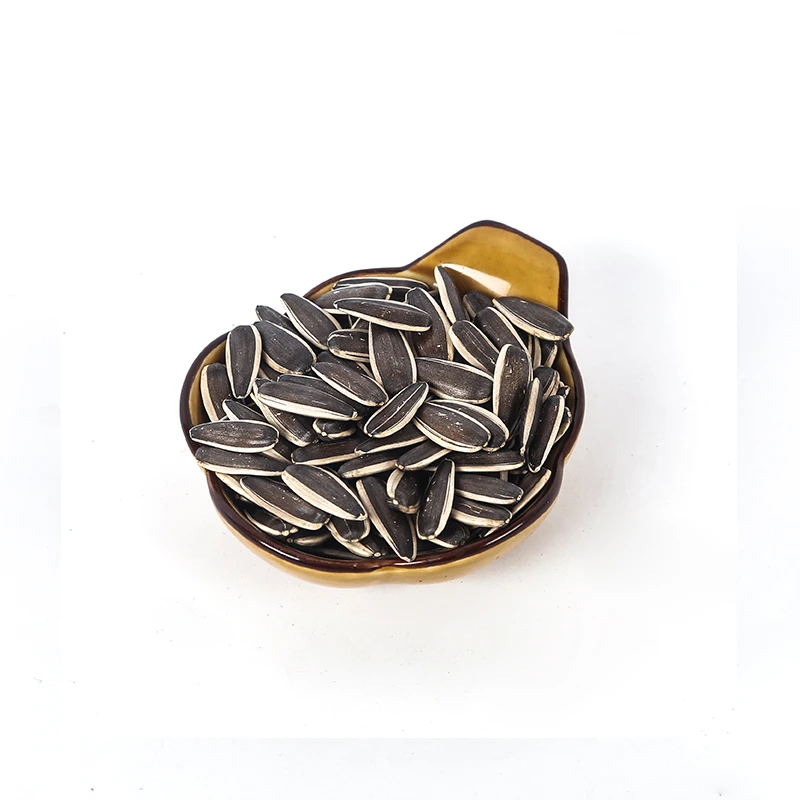
Butterscotch melon seeds are composed primarily of lipids (30-40% by weight), proteins (20-25%), carbohydrates (15-20%), and moisture (8-12%). The lipid fraction consists mainly of unsaturated fatty acids (oleic and linoleic acids), making them susceptible to oxidation. Seed coat composition is largely cellulose and hemicellulose, providing a physical barrier but offering limited protection against moisture and gas exchange. Manufacturing, in this context, refers to the post-harvest processes of cleaning, drying, grading, and packaging. Initial cleaning removes debris, insect parts, and damaged seeds. Drying is crucial, typically achieved using forced-air dryers, with temperature control being paramount (maximum 40°C to avoid protein denaturation and lipid degradation). Moisture content must be reduced to 8-10% for safe storage and transport. Grading separates seeds by size and weight, ensuring uniformity. Parameter control during drying is vital; relative humidity and airflow rate directly impact drying time and seed quality. Inadequate drying leads to fungal growth and aflatoxin contamination, while excessive drying causes cracking and reduced viability. Seed coating with food-grade polymers (e.g., polyethylene glycol) is increasingly employed to enhance moisture barrier properties and improve handling characteristics during packaging.
Performance & Engineering
The primary engineering consideration for butterscotch melon seed exporters is maintaining seed viability during storage and transit. This involves understanding the kinetics of moisture absorption and lipid oxidation. Water Activity (Aw) is a critical parameter; maintaining an Aw below 0.6 prevents microbial growth. Packaging materials must provide a sufficient barrier to oxygen and moisture. Force analysis relates to the mechanical stresses encountered during handling and transportation; seeds should be able to withstand impact without significant cracking or damage. Environmental resistance is a key factor. Temperature fluctuations accelerate degradation; maintaining consistent temperature (below 20°C) is essential. Compliance requirements are stringent, particularly regarding pesticide residues (following FAO/WHO guidelines) and mycotoxin levels (EU regulations limiting aflatoxins to 2 ppb). Functional implementation involves optimizing packaging configurations (e.g., vacuum sealing, modified atmosphere packaging) to extend shelf life and preserve germination rates. Seed oil extraction, a downstream application, dictates the need for seeds with high oil content and minimal levels of free fatty acids.
Technical Specifications
| Parameter | Unit | Specification | Testing Method |
|---|---|---|---|
| Moisture Content | % (weight) | ≤ 10.0 | Oven Drying Method (ISTA) |
| Germination Rate | % | ≥ 85 | ISTA Germination Test |
| Purity | % | ≥ 98 | Visual Inspection & Seed Identification |
| Oil Content | % (dry weight) | 35-45 | Soxhlet Extraction |
| Acid Value | mg KOH/g | ≤ 2.0 | Titration Method (AOCS) |
| Aflatoxin B1 | ppb | ≤ 2 | HPLC (High-Performance Liquid Chromatography) |
Failure Mode & Maintenance
Common failure modes for butterscotch melon seeds during export include loss of viability due to improper drying and storage, lipid oxidation leading to rancidity and reduced oil quality, physical damage (cracking and chipping) during handling, and contamination with fungal pathogens (resulting in mycotoxin production). Fatigue cracking of the seed coat can occur during transportation due to repeated stress. Delamination of the seed coat can happen with moisture fluctuations. Degradation of unsaturated fatty acids is accelerated by exposure to oxygen, light, and heat. Oxidation results in the formation of volatile compounds contributing to off-flavors. Maintenance involves strict adherence to drying protocols, controlled atmosphere storage (low temperature, low oxygen, low humidity), and proper packaging. Regular monitoring of moisture content and oil quality is crucial. Implementing a First-In, First-Out (FIFO) inventory management system minimizes storage time. Preventative maintenance of drying and packaging equipment is also essential to ensure consistent operation and minimize seed damage. Seed treatment with antifungal agents (approved for food use) can reduce the risk of fungal contamination, but must comply with import regulations.
Industry FAQ
Q: What is the acceptable level of broken or damaged seeds in an export shipment?
A: Generally, the acceptable level of broken or damaged seeds is ≤ 2% by weight. However, this can vary depending on the importing country’s regulations and the specific contract terms. Higher percentages may lead to rejection of the shipment. Detailed visual inspection and documentation are crucial.
Q: How do I ensure that my seeds meet the importing country's phytosanitary requirements?
A: You must obtain a phytosanitary certificate from your national plant protection organization, confirming that the seeds are free from regulated pests and diseases. Research the specific requirements of the importing country well in advance, as they can vary significantly. Compliance often involves specific testing and treatment protocols.
Q: What packaging materials are recommended for long-term storage and international transport?
A: Multi-layer packaging is recommended. This includes an inner liner of aluminum foil or metallized polyester film to provide a barrier against oxygen and moisture, followed by a layer of polyethylene or polypropylene for strength and sealing, and finally an outer layer of woven polypropylene for protection during transit.
Q: What is the optimal storage temperature and humidity for maintaining seed viability?
A: The optimal storage temperature is between 5-10°C. Relative humidity should be maintained below 60%, ideally between 40-50%. Consistent temperature and humidity are more important than achieving the absolute lowest values.
Q: How can I minimize the risk of aflatoxin contamination in my seeds?
A: Implement strict quality control measures throughout the entire process, from pre-harvest to post-harvest. Ensure proper drying to reduce moisture content, practice good sanitation, and avoid damage to the seeds. Regularly test for aflatoxin levels to ensure compliance with regulatory limits.
Conclusion
The successful export of butterscotch melon seeds hinges on a comprehensive understanding of the interplay between seed physiology, material science, and stringent quality control procedures. Maintaining optimal moisture content, minimizing lipid oxidation, and adhering to international safety standards are paramount.
Future trends in this sector will likely focus on enhanced seed coating technologies for improved moisture barrier and germination rates, as well as the development of rapid and non-destructive methods for assessing seed viability and quality. Continued investment in research and development, coupled with a commitment to sustainable agricultural practices, will be critical for long-term competitiveness in the global market.
