Introduction
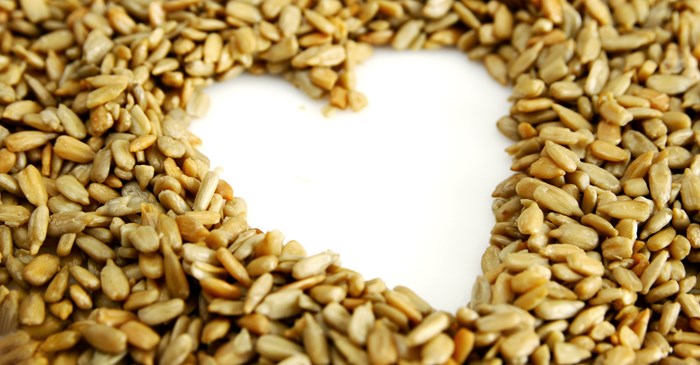
Bulk sunflower seeds for direct consumption represent a significant commodity within the global food supply chain. This technical guide details the complexities surrounding the sourcing, processing, quality control, and preservation of these seeds, focusing on aspects critical for B2B transactions between suppliers and food manufacturers. Sunflower seeds, Helianthus annuus, are valued for their nutritional profile – high in protein, essential fatty acids, vitamin E, and minerals. The industry chain begins with agricultural production, progresses through cleaning, dehulling (depending on intended use), grading, and packaging, and culminates in distribution to snack food producers, baking ingredient suppliers, and direct-to-consumer markets. Core performance characteristics center around oil content, kernel size and weight, moisture content, and the absence of foreign material and mycotoxins. A primary industry pain point lies in maintaining consistent quality across harvests, mitigating aflatoxin contamination, and ensuring traceability for food safety compliance.
Material Science & Manufacturing
Sunflower seeds are composed of approximately 35-58% oil, 20-25% protein, and 15-20% carbohydrate, with the remaining portion consisting of fiber, moisture, and ash. The hull, or pericarp, is primarily cellulose and lignin, offering a physical barrier against moisture and contamination. Kernel composition varies significantly based on genetic variety (confectionary vs. oilseed types) and growing conditions. Manufacturing begins with harvesting, typically employing combine harvesters. Post-harvest processing involves cleaning to remove debris (stalks, leaves, dirt), size grading to separate kernels, and often dehulling for confectionery applications. Dehulling utilizes mechanical abrasion and air separation. Key parameter control during processing includes maintaining low temperatures to prevent lipid oxidation (rancidity), minimizing mechanical damage to preserve kernel integrity, and accurately controlling moisture levels. Moisture content is critical, ideally maintained between 8-10% for optimal storage stability. The type of drying method (sun drying, forced-air drying) affects the final product quality. For organic sunflower seeds, adherence to strict organic farming practices and processing protocols, avoiding synthetic pesticides and fertilizers, is paramount. Dehulling processes necessitate precise calibration of machinery to prevent kernel breakage and maintain a consistent appearance.
Performance & Engineering
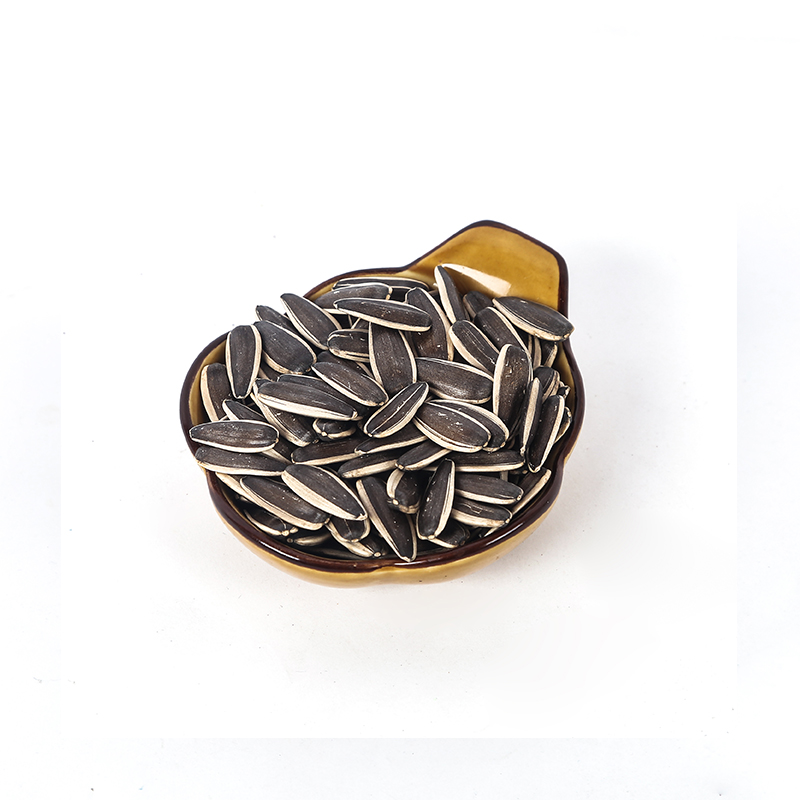
Performance assessment of sunflower seeds necessitates analysis of several key properties. Shear force required to crack the hull is an indicator of processing efficiency and kernel integrity. Oil extraction efficiency, measured via solvent extraction or mechanical pressing, directly impacts yield. The bulk density of the seeds influences packaging and transportation costs. Environmental resistance is primarily related to moisture absorption and oxidative stability. High humidity promotes fungal growth and aflatoxin production, while exposure to oxygen and light accelerates lipid peroxidation. Packaging materials play a crucial role in mitigating these effects. Compliance requirements are stringent, dictated by food safety regulations like those from the FDA (USA), EFSA (Europe), and local food standards authorities. These regulations specify acceptable levels of aflatoxins, pesticides, heavy metals, and microbiological contaminants. Functional implementation requires understanding the intended application. Confectionary seeds demand larger kernel size, uniform shape, and a light color. Oilseed varieties prioritize high oil content and may tolerate higher levels of hull fragments. Particle size distribution analysis is also vital for specific applications like sunflower seed flour production.
Technical Specifications
| Parameter | Confectionary Grade | Oilseed Grade | Unit |
|---|---|---|---|
| Kernel Oil Content | 48-52 | 58-62 | % (Dry Weight Basis) |
| Kernel Size (Diameter) | 16-20 | 12-16 | mm |
| Kernel Moisture Content | 8-10 | 8-10 | % |
| Hull Percentage | ≤ 5 | 10-20 | % |
| Aflatoxin B1 (Maximum) | 2 ppb | 2 ppb | parts per billion |
| Foreign Material (Maximum) | ≤ 1 | ≤ 2 | % |
Failure Mode & Maintenance
Sunflower seeds are susceptible to several failure modes. Lipid oxidation, leading to rancidity, is a primary concern, especially during storage. This is accelerated by exposure to oxygen, light, and elevated temperatures. Aflatoxin contamination, caused by Aspergillus molds, is a significant food safety hazard, particularly in warm and humid environments. Physical damage during harvesting, processing, and handling can result in broken kernels, increasing susceptibility to oxidation and microbial growth. Insect infestation can lead to kernel damage and contamination. Maintenance involves stringent storage conditions – cool, dry, and dark environments with controlled humidity. Regular monitoring of moisture content and aflatoxin levels is crucial. Implementing a robust pest control program is essential. Packaging should provide a barrier against oxygen, light, and moisture (e.g., nitrogen flushing, vacuum sealing, use of metallized films). First-in, first-out (FIFO) inventory management minimizes storage time and reduces the risk of deterioration. Preventative maintenance of processing equipment (dehullers, graders, dryers) ensures minimal mechanical damage to the kernels.
Industry FAQ
Q: What is the most effective method for mitigating aflatoxin contamination in bulk sunflower seeds?
A: The most effective approach is a multi-faceted strategy. This includes sourcing seeds from regions with low aflatoxin risk, implementing pre-harvest controls (managing irrigation and fertilization to minimize plant stress), utilizing proper drying techniques to reduce moisture content quickly, employing effective storage practices (cool, dry, well-ventilated facilities), and implementing rigorous quality control testing throughout the supply chain. The use of aflatoxin binders in animal feed applications can also be considered, but preventative measures are always prioritized.
Q: How does kernel size and shape impact the marketability of sunflower seeds for confectionery purposes?
A: Kernel size and shape are paramount for confectionery seeds. Larger, plumper kernels with a consistent shape are preferred by consumers. A high proportion of broken or small kernels significantly reduces market value. Grading and sorting processes are crucial for removing substandard kernels and ensuring a consistent product presentation. Varietal selection plays a key role, with confectionery varieties specifically bred for optimal kernel characteristics.
Q: What are the critical differences in quality control protocols between organic and conventionally grown sunflower seeds?
A: Organic sunflower seeds require significantly more stringent quality control focused on verifying adherence to organic farming standards. This includes documentation of seed source, verification of non-use of synthetic pesticides and fertilizers, and rigorous testing for residues of prohibited substances. Traceability is also crucial, requiring detailed records of all inputs and processes. Conventional seeds primarily focus on meeting food safety standards (aflatoxin levels, pesticide residues within legal limits).
Q: What packaging materials offer the best protection against lipid oxidation and moisture absorption during long-term storage?
A: Multi-layer packaging materials offering a high barrier to oxygen, light, and moisture are optimal. Metallized polyester films combined with polyethylene or polypropylene layers provide excellent protection. Nitrogen flushing prior to sealing further reduces oxygen levels. Vacuum sealing can also be employed, although it can cause some kernel deformation. The choice of packaging material also depends on the intended storage duration and transportation conditions.
Q: What is the role of dehulling in sunflower seed processing, and what challenges are associated with it?
A: Dehulling removes the outer hull (pericarp), improving the appearance and palatability of the seeds for confectionery uses. It also reduces the fiber content. However, dehulling is a delicate process, as it can easily damage the kernel, leading to breakage and increased susceptibility to oxidation. Challenges include optimizing dehulling parameters to minimize damage, effectively separating the hulls from the kernels, and managing the dust generated during the process. Proper equipment maintenance and calibration are critical.
Conclusion
The production and supply of bulk sunflower seeds demand meticulous attention to detail throughout the entire value chain. Maintaining consistent quality, mitigating aflatoxin contamination, and adhering to stringent food safety regulations are paramount. Understanding the material science of the seed itself – its composition, moisture sensitivity, and susceptibility to oxidation – is critical for implementing effective preservation and packaging strategies. Successful B2B partnerships between suppliers and manufacturers rely on transparent communication, comprehensive quality control data, and a commitment to continuous improvement.
Future trends in the sunflower seed industry will likely focus on developing improved varietal resistance to aflatoxin contamination, optimizing dehulling processes to minimize kernel damage, and exploring novel packaging technologies to enhance shelf life and reduce environmental impact. Furthermore, increased consumer demand for organic and non-GMO sunflower seeds will drive innovation in sustainable farming practices and supply chain traceability.
