Introduction
Bulk sunflower seeds, Helianthus annuus, represent a significant commodity within the global food and snack industry. This technical guide details the sourcing, processing, quality control, and potential failure modes associated with the supply of bulk sunflower seeds intended for direct human consumption. Sunflower seeds occupy a critical position in the plant-based protein and healthy fats market, acting as both a standalone snack and a key ingredient in confectionery, baked goods, and processed foods. Understanding the complexities of seed composition, including oil content, protein profile, and potential contaminants, is paramount for maintaining product integrity and meeting stringent food safety regulations. This guide will provide a comprehensive overview for procurement managers, quality control personnel, and manufacturing engineers involved in the sourcing and handling of bulk sunflower seeds.
Material Science & Manufacturing
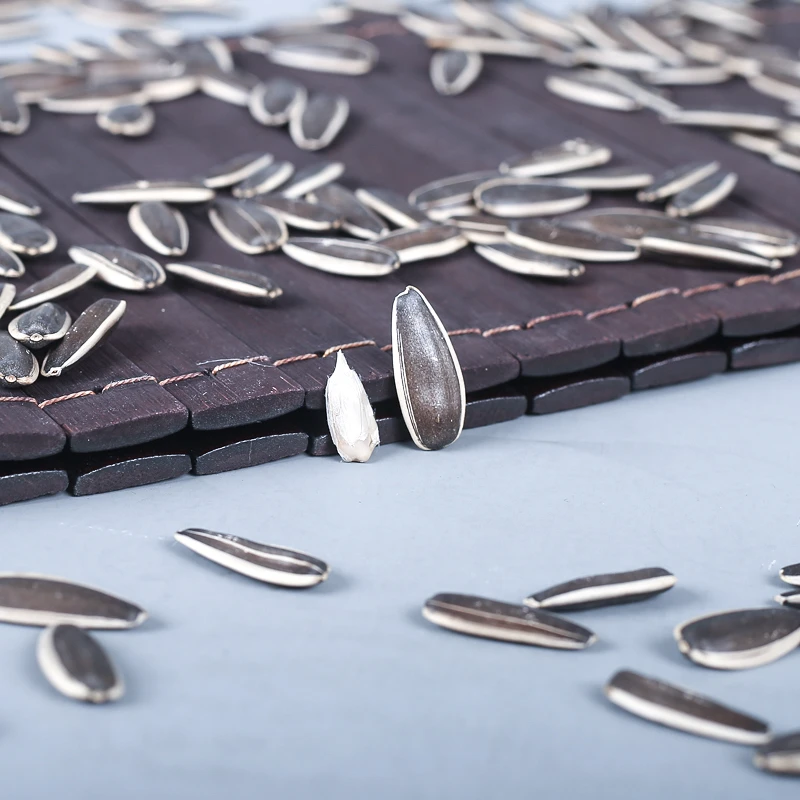
Sunflower seeds are comprised of several distinct layers: the hull (pericarp), the kernel (cotyledon), and the seed coat (testa). The hull, typically representing 20-30% of the seed's weight, is primarily cellulose and lignin, providing structural integrity. The kernel constitutes the majority of the seed and is rich in oil (40-55%), protein (18-24%), and carbohydrates. Seed oil composition varies based on cultivar, containing linoleic acid (typically 60-70%), oleic acid (10-30%), and palmitic acid (4-8%). Manufacturing begins with harvesting, typically mechanically performed when the seed moisture content reaches 12-14%. Following harvest, seeds undergo cleaning to remove debris (stalks, leaves, stones). The primary processing step is dehulling, which can be achieved through impact or friction methods. Dehulling efficiency is critical, as residual hull fragments can contribute to off-flavors and reduce product appeal. Kernel drying, typically employing forced-air systems, reduces moisture content to below 9% for long-term storage stability. Critical parameters include air temperature (maintained below 45°C to prevent oil degradation) and airflow rate. Grading based on kernel size and color is then performed, often utilizing optical sorting technology. Seed coating with food-grade polymers (e.g., polyethylene glycol) is sometimes employed to improve flowability and reduce dust. Proper control of temperature and humidity throughout the process is crucial to prevent rancidity and maintain nutritional value.
Performance & Engineering
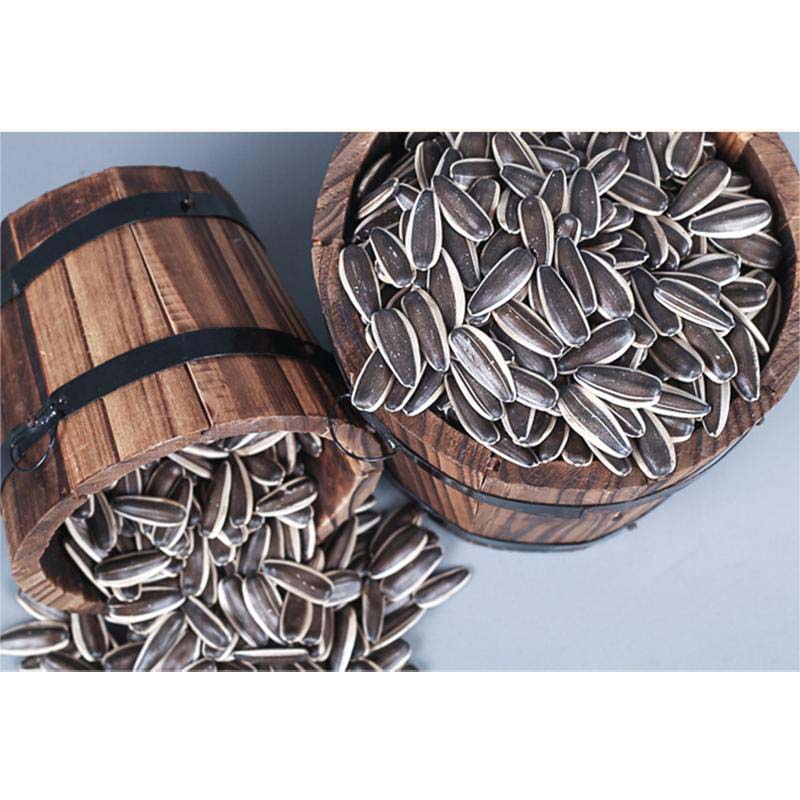
The performance of sunflower seeds in food applications is largely dictated by their physical and chemical characteristics. Tensile strength and fracture toughness of the kernel are important considerations during processing (e.g., roasting, grinding). Seed moisture content directly impacts flowability and susceptibility to microbial growth. Oil stability, measured by peroxide value and anisidine value, is a critical indicator of rancidity potential. A low peroxide value (<5 meq O2/kg) and anisidine value (<20) are desirable. Bulk density impacts storage and transportation efficiency. Packaging materials must provide a barrier against oxygen and moisture to prevent oxidative degradation. Force analysis during dehulling reveals that optimal hull removal requires a balance between impact force and seed integrity. Excessive force leads to kernel breakage. Environmental resistance during storage is crucial. Prolonged exposure to elevated temperatures and humidity accelerates lipid oxidation and protein denaturation. Compliance requirements include adherence to food safety standards (e.g., HACCP, GMP) and regulatory limits for contaminants (e.g., aflatoxins, heavy metals). The processing equipment used in sunflower seed handling must be constructed from food-grade materials (typically stainless steel) to prevent contamination and facilitate cleaning.
Technical Specifications
| Parameter | Unit | Specification | Test Method |
|---|---|---|---|
| Moisture Content | % | ≤ 9.0 | AOAC 925.10 |
| Oil Content | % | 40 - 55 | AOAC 920.85 |
| Protein Content | % | 18 - 24 | Kjeldahl Method (AOAC 978.05) |
| Hull Content (Dehulled Seeds) | % | ≤ 5.0 | Visual Inspection & Weight Loss |
| Peroxide Value | meq O2/kg | ≤ 5.0 | AOCS Cd 8-53 |
| Aflatoxin B1 | ppb | ≤ 20 | HPLC (AOAC 991.30) |
Failure Mode & Maintenance
Common failure modes for bulk sunflower seeds include rancidity, insect infestation, microbial contamination, and physical damage. Rancidity, caused by lipid oxidation, manifests as off-flavors and reduced nutritional value. Preventative measures include maintaining low moisture content, employing antioxidant packaging, and controlling storage temperature. Insect infestation, particularly by storage pests (e.g., Sitophilus oryzae), can lead to significant product loss and contamination. Proper sanitation and pest control programs are essential. Microbial contamination, notably by Aspergillus species leading to aflatoxin production, poses a serious health risk. Implementing strict hygiene protocols and monitoring for aflatoxins are critical. Physical damage, such as kernel breakage during handling, reduces product quality and increases dust generation. Gentle handling procedures and appropriate equipment design are necessary. Maintenance of storage facilities involves regular cleaning, temperature and humidity control, and inspection for pest activity. Seed lots should be stored on a first-in, first-out basis to minimize storage duration. Regular testing for key quality parameters (moisture, oil content, peroxide value, aflatoxins) is crucial for identifying and addressing potential issues before they escalate.
Industry FAQ
Q: What are the key considerations when specifying sunflower seed oil content for confectionery applications?
A: Oil content significantly impacts the texture and mouthfeel of confectionery products. Higher oil content generally results in a softer, more pliable texture. However, excessive oil can lead to stickiness and reduced shelf life. Specifications should be tailored to the specific application and consider the interactions with other ingredients. A range of 45-50% oil content is typically preferred for confectionery.
Q: How does the dehulling process affect the flavor profile of sunflower seeds?
A: Incomplete dehulling can leave residual hull fragments, which impart a slightly bitter or astringent flavor. The type of dehulling equipment and the precision of the process significantly influence the amount of residual hull. Optical sorting is frequently used to remove poorly dehulled seeds.
Q: What are the regulatory limits for aflatoxins in sunflower seeds in different global markets?
A: Regulatory limits for aflatoxins vary significantly. The European Union typically has a limit of 2 ppb for total aflatoxins, while the United States has a limit of 20 ppb for Aflatoxin B1. It is crucial to verify the specific regulations for the intended export market.
Q: What packaging materials are most suitable for maintaining the quality of bulk sunflower seeds during long-term storage?
A: Multi-layer packaging materials incorporating an aluminum foil layer or a high-barrier plastic film (e.g., EVOH) are recommended to provide excellent protection against oxygen and moisture. The packaging should also be airtight and capable of withstanding the weight of the bulk seeds.
Q: What analytical methods are used to assess the oxidative stability of sunflower seed oil?
A: Several methods are employed, including peroxide value (PV), anisidine value (AV), and fatty acid profile analysis. PV measures the concentration of primary oxidation products, while AV measures secondary oxidation products. Gas Chromatography (GC) is used to determine the fatty acid composition and assess the degree of unsaturation, which is a predictor of oxidative susceptibility.
Conclusion
Bulk sunflower seed sourcing and processing necessitate a comprehensive understanding of material science, manufacturing techniques, and quality control parameters. Maintaining optimal moisture content, ensuring effective dehulling, and protecting against oxidative degradation are critical factors influencing product quality and shelf life. Adherence to international food safety standards and regulatory limits for contaminants is paramount. By implementing rigorous quality control procedures and employing appropriate packaging strategies, suppliers can consistently deliver high-quality sunflower seeds suitable for a wide range of food applications.
Future developments in sunflower seed processing may focus on enhancing oil stability through genetic modification of seed composition or the application of novel antioxidant coatings. Optimization of dehulling techniques to minimize kernel damage and maximize yield remains a key area for research. Further improvements in packaging materials to provide superior barrier properties and extend shelf life will also be essential for meeting evolving market demands.
